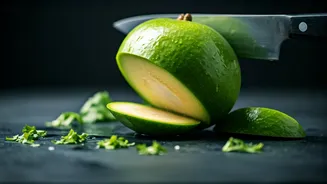



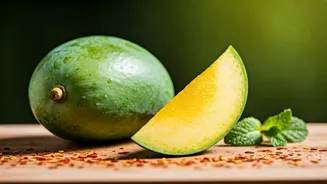
First, What Is Kairi?
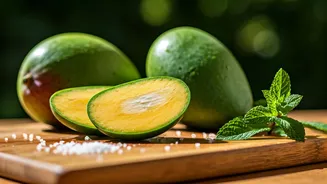
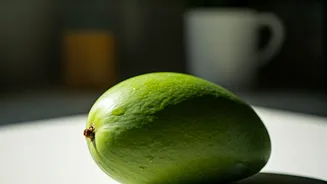
Before you start cooking, let's get acquainted. "Kairi" is the Marathi word for raw, unripe mango. Unlike the sweet, soft, golden mangoes we know and love, kairi is firm, green, and intensely sour. Its flavor is a lightning bolt of tartness with a subtle
fruity undertone, and its texture is crisp, almost like a firm apple. In India, its arrival signals the start of summer and it's used in countless ways—pickled, simmered into dals, grated into salads, or blended into refreshing drinks. Its primary culinary role is to provide a powerful, natural souring agent that can brighten and balance rich or spicy flavors. Don't try to substitute a regular mango that's just a bit green; the unique, assertive tartness of a true raw mango is what makes these dishes sing.
Tangy Raw Mango Dal (Kairi Dal)
Imagine your favorite comforting bowl of lentils, but with a surprising, zesty twist. That's Kairi Dal. This staple dish involves simmering lentils—typically toor dal (split pigeon peas) or masoor dal (red lentils)—with chunks of raw mango. As the lentils cook down and become creamy, the mango softens, infusing the entire pot with its signature sourness. The dish is usually finished with a tempering of hot oil or ghee infused with mustard seeds, cumin, and dried red chilies. The result is a perfectly balanced, protein-packed stew where the earthy lentils are lifted by the bright, tangy mango. It’s hearty enough to be a meal on its own, pairs beautifully with rice or flatbread, and makes for fantastic leftovers that taste even better the next day.
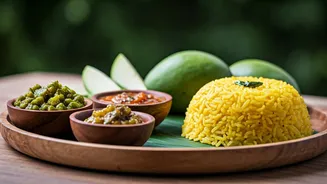
Quick Raw Mango Rice (Chitranna)
If you need a fast, flavorful, and deeply satisfying lunch, look no further than Mango Rice. This South Indian dish, a variation of the popular lemon rice, is a brilliant way to use up leftover rice and transform it into something spectacular. The process is simple: a quick sauté of mustard seeds, lentils (for crunch), peanuts, curry leaves, and turmeric is prepared in oil. Grated raw mango is then added and cooked for just a minute to soften slightly before being tossed with pre-cooked rice. The heat of the rice and the spices gently mellows the mango’s sourness, creating a vibrant, aromatic dish that hits every note: tangy, spicy, nutty, and savory. It's a complete one-bowl meal that comes together in under 15 minutes.
A Refreshing No-Cook Mango Salad
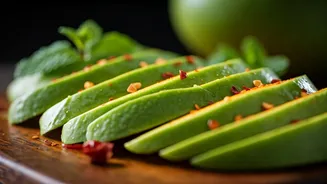
For those hot days when turning on the stove feels like a chore, a crunchy, cooling raw mango salad is the perfect answer. This isn't a fruit salad; it's a savory, textural delight. Start by grating or julienning a firm green mango. Combine it with thinly sliced red onion, chopped cilantro, and maybe some roasted peanuts or shredded coconut for crunch. The dressing can be as simple as a pinch of salt, a touch of sugar to balance the sourness, and a sprinkle of red chili powder or finely chopped green chilies for heat. In some variations, a light tempering of mustard seeds and curry leaves is poured over the top. It’s an electrifyingly fresh side dish that can also be a light lunch on its own, or stuffed into a wrap with some grilled chicken or tofu.
The Ultimate Condiment: Savory Green Chutney
Perhaps the most versatile way to bring kairi into your life is through a savory chutney. While you can buy jars of sweet mango chutney, a fresh, homemade raw mango version is a different beast entirely. Simply blend chunks of raw mango with a handful of fresh cilantro and mint, a knob of ginger, a green chili or two, and a little salt. The result is a thick, vibrant green, intensely flavorful paste that can elevate almost anything. Slather it on a turkey sandwich instead of mustard, dollop it on a grain bowl, mix it with yogurt for a killer dip for veggies, or serve it alongside grilled fish or chicken. It's a culinary secret weapon that adds instant complexity and a burst of freshness to an otherwise ordinary meal.
Finding and Using Kairi
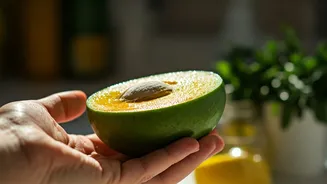
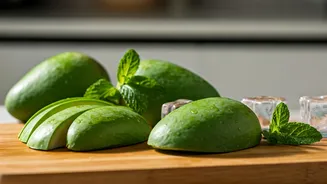
Ready to go on a kairi hunt? Your best bet is an Indian grocery store, though many larger Asian or international markets will carry them, especially during spring and summer. Look for mangoes that are uniformly green, rock-hard, and heavy for their size. Avoid any with soft spots or a yellowish blush, as this indicates they've started to ripen and lose their signature tartness. To prepare, wash the mango thoroughly, peel the tough green skin with a vegetable peeler, and then carefully slice the firm flesh away from the large, flat pit in the center. From there, you can chop, grate, or julienne it for your chosen recipe. A little goes a long way, so start small and taste as you go.