





1. A Digital Tire Pressure Gauge
This might be the single most impactful, money-saving tool you can own. The EPA estimates that for every 1 PSI drop in pressure across all four tires, you lose 0.2% in gas mileage. That sounds small, but if your tires are just 5 PSI low, you're wasting
about 1% of every tank of gas. Over a year, that adds up. More importantly, under-inflated tires wear out unevenly and up to 15% faster, forcing you to buy a new set far sooner than necessary. A reliable digital gauge is under $15 and gives you an exact reading in seconds, unlike the often-inaccurate ones at the gas station. Checking your tires once a month can save you hundreds on fuel and tire replacement costs over the life of your vehicle.
2. An OBD-II Code Reader
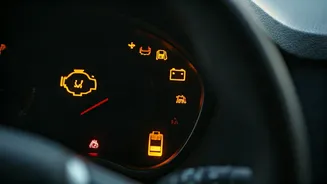
That dreaded “Check Engine” light can cause instant panic, followed by the sinking feeling of an impending $100+ diagnostic fee at the mechanic. But many issues that trigger the light are simple fixes, like a loose gas cap. An OBD-II (On-Board Diagnostics) code reader plugs into a port under your dashboard (standard on all cars since 1996) and tells you exactly what error code the car’s computer is reporting. You can look up the code online to see if it’s a simple DIY fix or a serious problem that requires a professional. This empowers you to walk into the repair shop informed, preventing you from being overcharged for a minor issue. For an initial investment of $25–$50, you can save on multiple diagnostic fees and gain crucial peace of mind.
3. A Portable Air Compressor
Paired with your new tire gauge, a portable air compressor is a game-changer. These small devices plug into your car’s 12V outlet and can inflate your tires to the perfect pressure right in your driveway. This saves you the hassle and cost of finding a working air pump at a gas station. More critically, it’s a financial lifesaver if you have a slow leak. Instead of paying for an emergency tow or driving on a dangerously low tire, you can inflate it enough to get safely to a repair shop. This convenience alone prevents costly roadside assistance calls and protects your tires and wheels from damage caused by driving while flat.
4. A Touch-Up Paint Pen
A tiny rock chip on the highway seems like no big deal, until it isn't. Once the paint is broken, the metal underneath is exposed to moisture and air, creating the perfect environment for rust. What starts as a small cosmetic flaw can quickly bubble into a significant rust spot, which is incredibly expensive to repair properly. A color-matched touch-up paint pen, available from your dealership or online for about $20, allows you to seal those chips in minutes. By cleaning the area and applying a dab of paint, you restore the protective barrier and prevent rust from ever taking hold. It’s a tiny investment to prevent a multi-hundred-dollar body shop bill.
5. A Basic Socket and Wrench Set
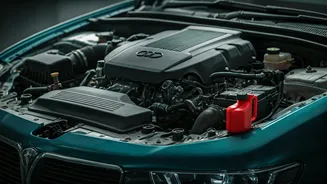
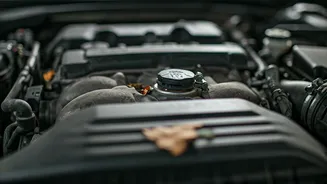
You don't need to be a certified mechanic to perform basic maintenance. Many simple jobs are designed to be accessible, but shops charge significant labor costs to do them. With a basic socket and wrench set, you can easily replace your own car battery, saving $50-$100 in labor. You can swap out your engine's air filter in five minutes (a $40-$80 job at a quick-lube shop) or change your own windshield wipers. These tools empower you to handle the low-hanging fruit of car maintenance, paying for themselves after just one or two uses and saving you thousands over the years you own your car.
6. A Portable Jump Starter
Jumper cables are a classic, but they rely on the kindness of a stranger. A modern portable jump starter is a self-contained lithium-ion battery pack that can bring your dead car back to life on its own. A dead battery is one of the most common reasons for a roadside assistance call, which can be expensive if you don't have a premium subscription plan. A portable jump starter, which often doubles as a power bank to charge your phone, costs less than a single tow truck visit. It eliminates the stress of being stranded and the potential cost of an emergency call-out, making it an essential piece of financial and personal security.
7. Quality Microfiber Towels
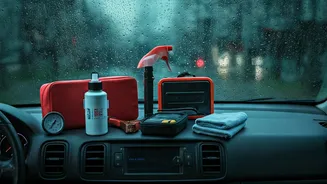
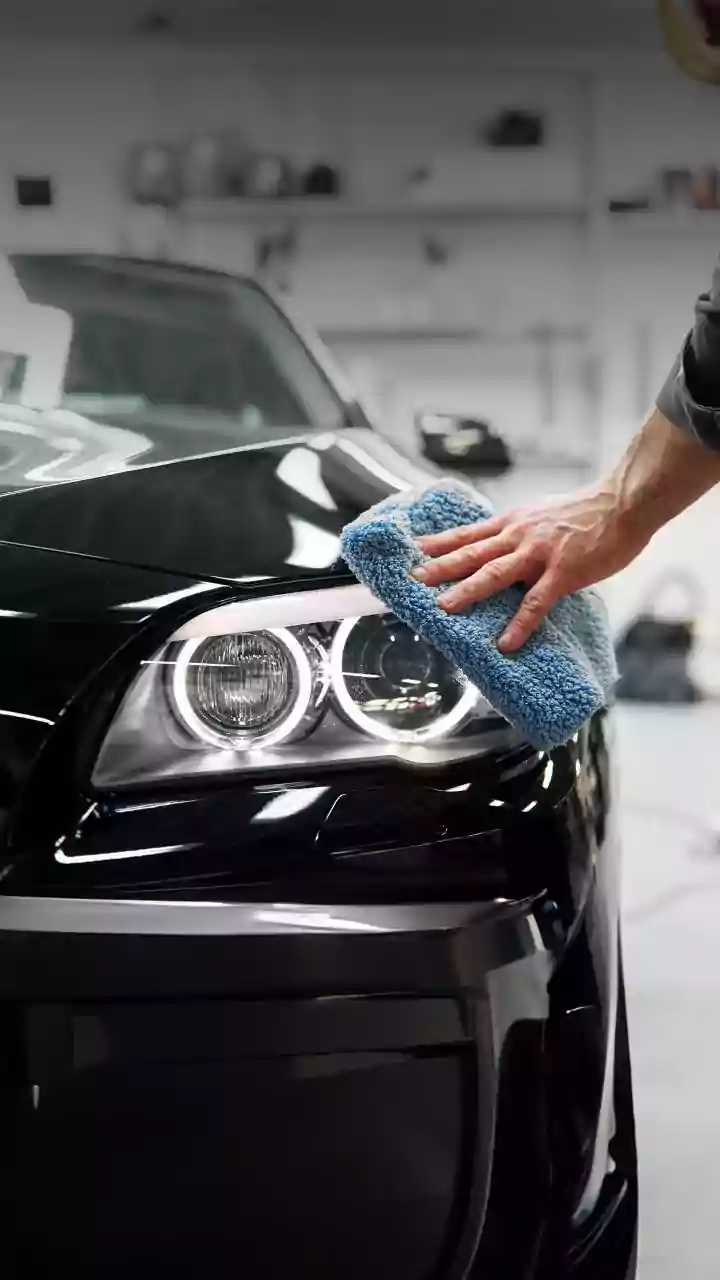
This may seem trivial, but using the wrong tools to clean your car can be costly. The gritty, harsh brushes at a self-serve car wash or old bath towels can create micro-scratches in your car's clear coat, dulling the finish over time. A professional paint correction to remove these swirls can cost hundreds of dollars. Similarly, using paper towels on your interior plastics can leave lint and even scratch delicate touchscreen surfaces. A pack of high-quality microfiber towels is cheap and designed to trap dirt and dust without scratching surfaces. They help preserve your car’s paint and interior, protecting its resale value in the long run.