

An Analog Rebellion in a Digital World
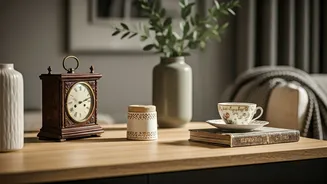
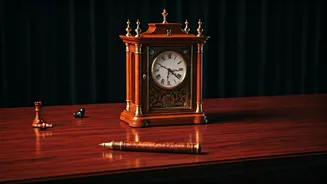
First and foremost, the grandmaster clock is an act of rebellion. For a generation raised on the fleeting glow of smartphone screens and the incessant ping of notifications, a towering, mechanical clock is the ultimate analog statement. It doesn’t connect
to Wi-Fi. It doesn’t track your data. It performs one function, beautifully and reliably, powered by weights and gears. Choosing to measure time with a physical, ticking presence is a way of reclaiming it from the abstract, anxiety-inducing flow of the digital day. It’s a declaration that time in your home moves at a human pace, marked by the soothing chime of a hammer on a rod, not the buzz of a wrist-worn device demanding your attention.
The Rise of 'Grandmillennial' Style
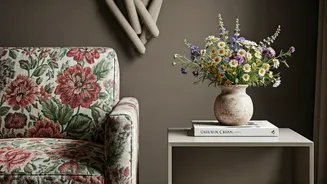
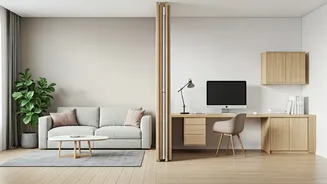
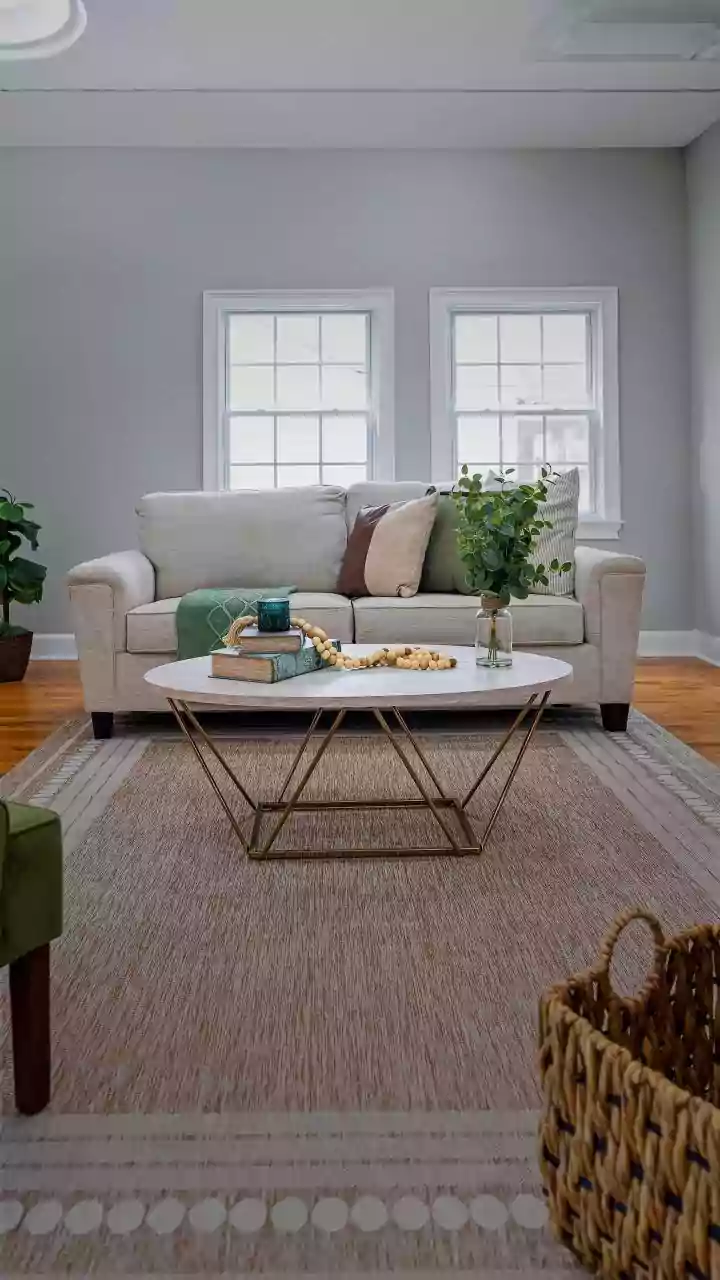
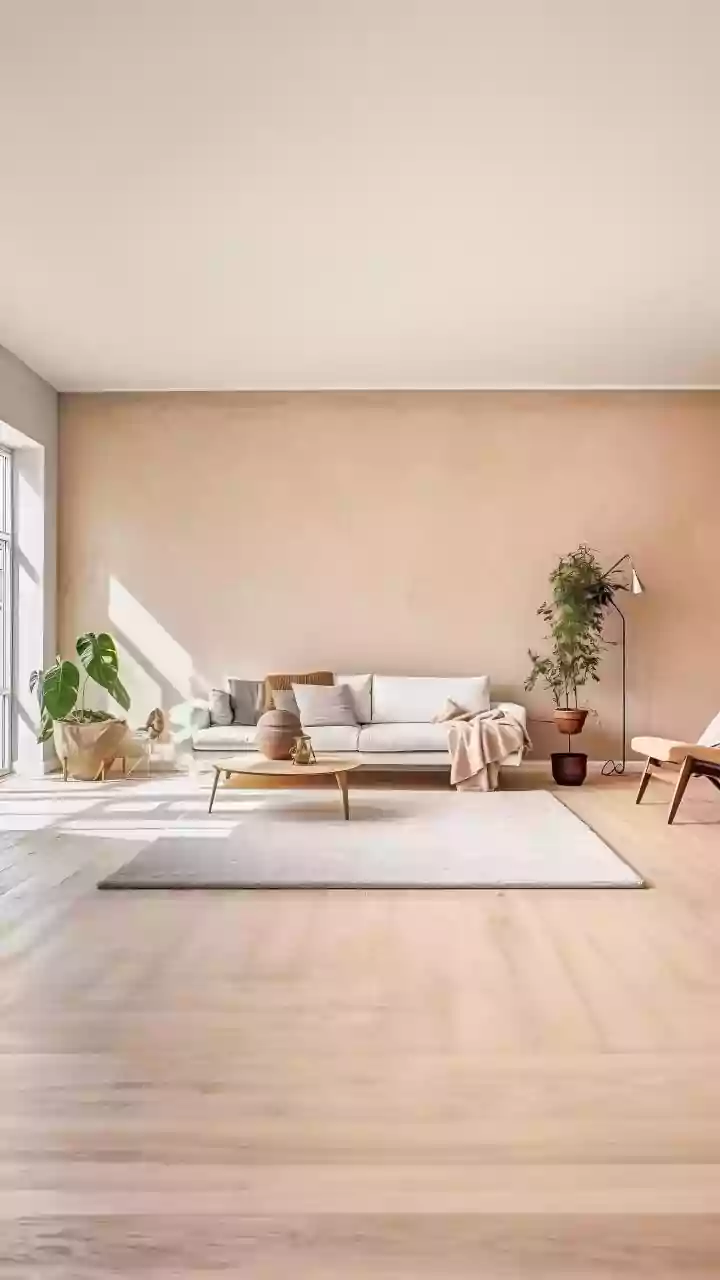
The trend doesn't exist in a vacuum. It's a key feature of the “grandmillennial” or “new traditional” aesthetic that has captivated designers and tastemakers under 40. This style is a conscious rejection of the sterile, mid-century modern minimalism that dominated starter homes and apartments for over a decade. Instead, it embraces comfort, history, and personality. Think floral wallpaper, chintz sofas, inherited silverware, and centerpiece antiques. A grandmaster clock is the perfect anchor for this look. It’s unapologetically traditional, yet placing it in a contemporary context—next to a modern sofa or a bold piece of art—feels fresh, ironic, and deeply personal. It says you appreciate history, but on your own terms.
A Search for Permanence and Story
In a culture of fast furniture and disposable goods, a vintage clock offers something increasingly rare: permanence. These are objects built to last for generations, not just a few years. Acquiring a piece that has already lived for 50, 75, or even 100 years provides a profound sense of grounding. It’s an instant heirloom, imbued with the stories of its past life while waiting to become part of yours. For young people navigating economic uncertainty and a rapidly changing world, owning a solid, tangible piece of history is comforting. It’s a vote for a future where things are cherished, repaired, and passed down, not simply thrown away and replaced.
The Ultimate Sustainable 'Flex'
Choosing a vintage grandmaster clock is also an environmental statement. As awareness grows around the waste and carbon footprint of mass-produced furniture, the appeal of the secondhand market has soared. Buying a century-old clock is the antithesis of fast fashion for your home. It’s recycling at its most elegant. It requires no new resources to be manufactured, no overseas shipping in a massive container. It’s a quiet but powerful flex for those who value sustainability not just as a buzzword, but as a core tenet of their lifestyle. It shows a commitment to quality and longevity over novelty and convenience, a sophisticated choice that aligns personal style with planetary values.
It's More Than Just Telling Time
Ultimately, the power of the grandmaster clock lies in its presence. It’s a piece of kinetic sculpture that animates a room. The gentle swing of the pendulum, the deep resonance of the chimes on the hour—these elements transform a static space into a living one. It becomes a conversation starter, a focal point, and a piece of the home’s soul. Unlike a framed print or a trendy lamp, a clock is interactive; it marks moments, from quiet mornings to lively dinner parties. It doesn’t just tell you the time; it helps you feel it, turning a house into a home with a heartbeat.