






Beyond Calories and Macros
So, what exactly is “hormone-aware” nutrition? At its core, it’s the idea that what, when, and how you eat can directly influence your body’s hormonal symphony. Instead of focusing solely on the caloric value of food, this approach considers food’s impact
on hormones like insulin, cortisol, estrogen, and thyroid hormones. The goal isn't just weight management; it's about optimizing everything from energy levels and mood to sleep quality and metabolic health. It reframes food as a set of instructions for your body. A donut, for example, isn’t just 300 calories—it's a signal that can spike your insulin, leading to an energy crash. Conversely, a meal rich in fiber, protein, and healthy fats sends a signal for steady energy and satiety.
Why Is This Happening Now?
This shift is fueled by a perfect storm of factors. First, there's widespread diet fatigue. Decades of restrictive, one-size-fits-all plans have left many people frustrated and looking for an approach that honors their unique biology. Second, the wellness movement has put a spotlight on women’s health in particular, with a growing awareness of how hormonal fluctuations during the menstrual cycle, perimenopause, and menopause impact everything from cravings to energy. People with conditions like Polycystic Ovary Syndrome (PCOS) or insulin resistance are also finding that a hormone-focused approach offers a more nuanced way to manage their health than generic dietary advice. Finally, technology like continuous glucose monitors (CGMs), once reserved for diabetics, is becoming more mainstream, giving everyday people a real-time window into how their food choices affect their blood sugar and, by extension, their insulin response.
Putting It Into Practice
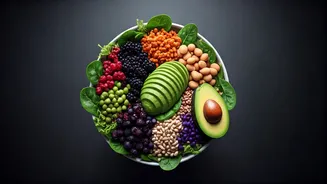
This all sounds great, but what does it look like on a plate? It’s less about a specific list of “good” and “bad” foods and more about foundational principles. A key focus is blood sugar balance. This means pairing carbohydrates with protein and fat to slow down the absorption of sugar and prevent sharp insulin spikes. Think an apple with almond butter instead of an apple alone. Another principle is managing cortisol, the “stress hormone.” Chronic stress can lead to high cortisol, which can increase cravings for sugary, high-fat foods. Hormone-aware eating encourages stress-reducing practices and prioritizes nutrients that support the nervous system, like magnesium (found in leafy greens and nuts) and omega-3 fatty acids (found in fatty fish). For women, “cycle syncing” is a popular component, which involves tailoring food choices to the different phases of the menstrual cycle to support fluctuating estrogen and progesterone levels.
Navigating the Hype vs. The Health
As with any wellness trend, the line between legitimate science and clever marketing can be blurry. The science supporting the link between diet and certain hormones, especially insulin, is rock-solid. However, the claims made by some social media influencers and wellness brands can be overstated. The idea that a specific “hormone-balancing” smoothie will cure all your woes is an oversimplification. Your hormonal health is incredibly complex, influenced by genetics, sleep, stress, and exercise—not just your diet. The danger lies in self-diagnosing a “hormonal imbalance” based on a TikTok video and embarking on a highly restrictive diet without professional guidance. This can lead to nutrient deficiencies and an unhealthy relationship with food.