

Beyond the Beach Shacks
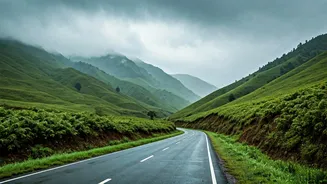
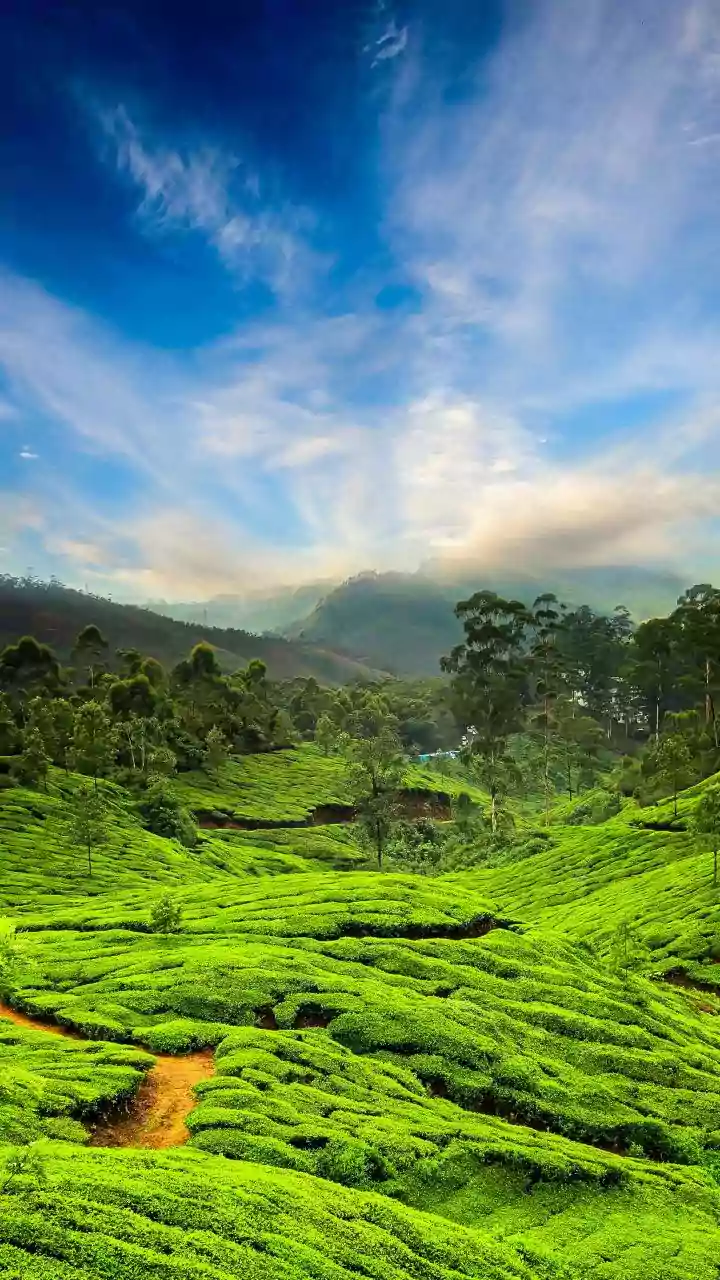
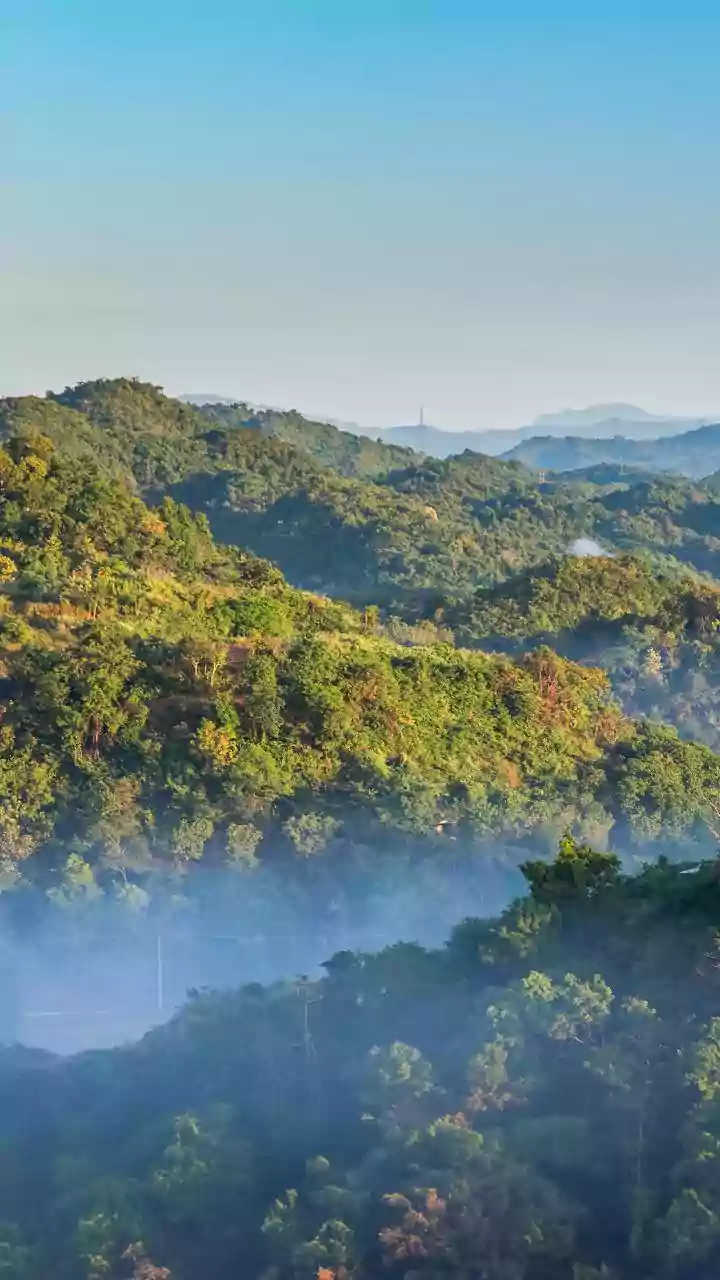
When Americans picture Goa, they often imagine the endless rave parties and sun loungers that define its high season from November to February. But when the calendar flips to June, a dramatic transformation occurs. The first monsoon showers arrive, washing
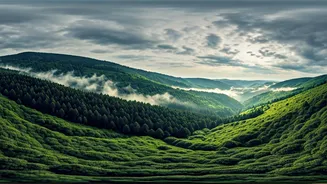
the dust from the palm trees and turning the landscape a brilliant, electric green. Many of the temporary beach shacks and mainstream tourist traps pack up, which savvy travelers know is a blessing, not a curse. This exodus of the peak-season crowds creates a quieter, more intimate atmosphere. It’s a Goa that feels less like an international party hub and more like the serene, soulful coastal state it truly is. The air is fresh, the rivers are full, and the state settles into a rhythm that feels more local and authentic.
The Festive Spirit of Sao Joao
The centerpiece of Goa’s June refresh is the festival of Sao Joao on June 24th. This is not your typical music festival. A vibrant and slightly wild Catholic tradition honoring St. John the Baptist, it’s a day of pure, unadulterated joy. Locals, wearing crowns of flowers and fresh leaves called ‘copels,’ spend the day singing, feasting, and, most famously, jumping into overflowing wells, ponds, and streams to reenact the leaping of John in Elizabeth's womb. Tourists are enthusiastically welcomed into the festivities. The traditional drink of the day is feni, a potent local spirit made from cashew or coconut, which certainly adds to the celebratory mood. Participating in Sao Joao is to experience a piece of Goan culture that is completely unique and has little to do with the commercialized party scene.
Wellness and Waterfalls
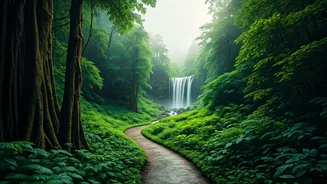
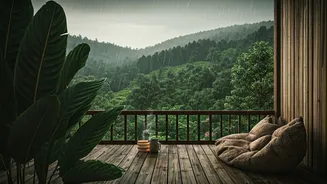
The monsoon season is nature’s reset button, making it the perfect backdrop for personal wellness. Many of Goa’s renowned yoga and Ayurveda centers, which can be prohibitively expensive in the winter, offer significant discounts in June. Imagine a yoga session in an open-air shala with the sound of rain drumming on the roof or a restorative Ayurvedic treatment in the cool, clean air. Beyond the retreat centers, the monsoon supercharges Goa's natural attractions. Waterfalls that are a mere trickle in the dry season become thundering cascades. A trek to the famous Dudhsagar Falls, which translates to ‘Sea of Milk,’ is an absolute must. The journey itself, often through lush, dripping forests, is as spectacular as the destination.
A Culinary Awakening
Goa’s food scene also gets a seasonal makeover. While you might not be dining on the sand, the state's cozy, family-run restaurants and chic cafes come into their own. The monsoon brings a bounty of local vegetables and herbs, inspiring chefs to create special seasonal menus. It’s the perfect time to dive into hearty Goan fish curries, prawn balchão, and other spicy, coconut-infused delicacies that pair perfectly with the cooler, rainy weather. For the culinarily curious, a rainy afternoon is an ideal opportunity to take a Goan cooking class, learning the secrets of the region's complex spice blends without feeling like you’re missing a day at the beach.
The Practical Side of Paradise
Traveling to Goa in June requires a slightly different mindset and packing list. Swap your sunscreen for a reliable rain jacket and waterproof shoes. While renting a scooter is the classic way to get around, wet, slippery roads can make it treacherous; consider using local taxis or ride-hailing apps for safer travel. The biggest practical advantage? Price. Flights and accommodations are often a fraction of their peak-season cost, allowing you to stay in luxurious boutique hotels or heritage properties for the price of a standard room in December. The trade-off for a few hours of rain a day is a more affordable, peaceful, and culturally rich Goan experience.