



1. Choose Your Region Wisely
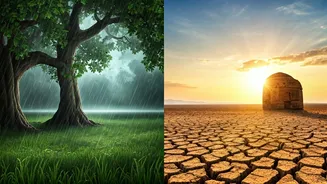
India is vast, and the monsoon doesn’t hit everywhere with the same intensity. While coastal areas like Kerala and Goa are famous for their dramatic, near-constant downpours, they also come with a higher risk of flooding and travel disruption. For a truly
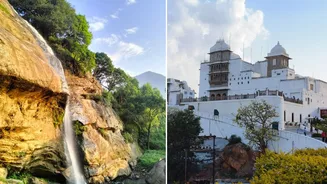
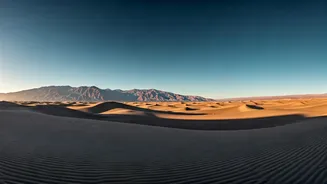
magical monsoon experience, consider destinations that celebrate the rain, like the waterfalls around Shillong in Meghalaya, often called the wettest place on Earth. Conversely, if you want to avoid the deluge altogether, head to 'rain shadow' regions. The arid landscapes of Ladakh in the Himalayas remain largely dry and sunny, as do parts of Tamil Nadu in the southeast, making them ideal monsoon-season escapes.
2. Pack for Humidity, Not Just Rain
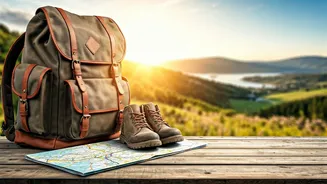
An umbrella and a rain jacket are obvious, but the real enemy is the pervasive dampness. Cotton clothes will take days to dry and can quickly develop mildew. Instead, pack lightweight, synthetic, quick-dry clothing. Think athletic wear or travel-specific fabrics. Opt for waterproof sandals or floaters over sneakers, which will become waterlogged and useless. A crucial addition is a 'dry bag'—a waterproof sack used by kayakers—to protect your passport, phone, and camera. Finally, bring a potent insect repellent containing DEET. Mosquito populations explode during the monsoon, and with them comes the risk of dengue and malaria.
3. Build Buffer Time Into Your Itinerary
The single biggest mistake travelers make during the monsoon is sticking to a rigid, tightly packed schedule. Assume there will be delays. Flights may be grounded due to low visibility, trains can be rerouted or canceled because of flooded tracks, and roads in hilly areas like Himachal Pradesh or Uttarakhand are prone to landslides. Don’t plan to land in Delhi and catch a connecting flight an hour later. Instead, build an extra day into your itinerary between major destinations. This buffer transforms a stressful delay from a trip-ruining disaster into a minor inconvenience and an opportunity to explore your current location a little more.
4. Be Vigilant About Food and Water
With widespread moisture comes an increased risk of waterborne illnesses. This is the time to be extra cautious about what you eat and drink. Stick exclusively to bottled, boiled, or purified water—never tap water, and be wary of ice in drinks. When it comes to street food, avoid anything that has been sitting out or looks like it could have been washed in contaminated water. Instead, opt for food that is prepared fresh and served piping hot in front of you. A steaming plate of pakoras (fritters) or a hot cup of masala chai from a busy vendor is a classic monsoon delight and generally a safer bet.
5. Embrace the Indoor and the Slow
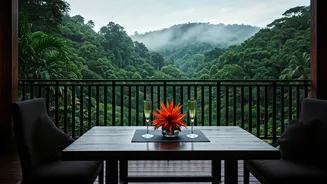
Some of the best monsoon memories are made while watching the storm from a dry, cozy perch. This is the perfect season for experiences you might otherwise skip. Sign up for a cooking class, spend a long afternoon in a museum, explore a local market under its covered awnings, or simply find a comfortable café with a good view. The rain forces a slower, more contemplative pace of travel. It's a chance to read that book you packed, write in a journal, and engage in deeper conversations without the pressure to constantly be on the move, sightseeing from dawn till dusk.
6. Capture the Unique Scenery
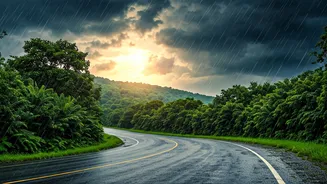
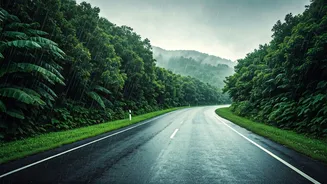
For photographers, the monsoon is a gift. The harsh sun is replaced by a soft, diffused light that makes colors pop. The dust settles, leaving the air crisp and clear after a storm. Landscapes that are brown and parched for much of the year burst into impossible shades of green. Focus your lens on the details: raindrops clinging to a spiderweb, the reflection of a historic monument in a puddle, or the dramatic, cloud-filled skies. Protect your gear with a waterproof camera cover and be ready to capture a side of India that many tourists miss entirely.
7. Enjoy the Off-Season Perks
The reward for your savvy planning is a trip that is often lighter on the wallet and free from the crowds. The monsoon is considered the low season in most of India, which means flight prices drop and hotels offer significant discounts. You’ll find yourself exploring iconic sites like the palaces of Rajasthan or the temples of Hampi with a fraction of the usual tourist traffic. This gives you a more intimate and authentic experience, where the destination feels less like a theme park and more like a living, breathing place.