





The Downfall of the Quick Fix
For decades, the wellness industry has been dominated by the allure of rapid results. Diets promising to melt pounds in weeks through severe caloric restriction, elimination of entire food groups, or expensive pre-packaged meals have become cultural mainstays.
The problem, as dietitians and nutrition scientists consistently point out, is that they rarely work long-term. More often, they lead to a frustrating cycle of weight loss and regain known as “yo-yo dieting.” This cycle not only harms metabolism but also fosters a dysfunctional relationship with food, framing it as an enemy to be conquered rather than a source of nourishment and enjoyment. These quick fixes often ignore the complexities of human biology, psychology, and lifestyle, setting people up for a sense of failure when the unsustainable rules become impossible to follow.
A Shift Toward Sustainable Change
In response to this burnout, a clear consensus has emerged among many registered dietitians and nutrition coaches: the most effective path to better health is paved with small, consistent habits, not grand, temporary gestures. This approach, often called “habit-based coaching,” moves the focus from a finish line—like a target weight or a specific event—to the daily process of living. Instead of asking clients to overhaul their entire lives overnight, these professionals help them identify and implement tiny, manageable changes that can be sustained indefinitely. The philosophy is simple: what you can do consistently for a year will always be more impactful than what you can do perfectly for a week.
Habit 1: Focus on Adding, Not Subtracting
One of the most powerful mental shifts is moving from a mindset of restriction to one of abundance. Instead of fixating on cutting out “bad” foods, the habit-based approach encourages adding “good” things. The goal isn't to never eat a cookie again; it's to build a foundation so robust that a cookie is just a cookie, not a dietary catastrophe. Start with simple additions. Can you add a glass of water before each meal? Can you add a handful of spinach to your eggs or a side of carrots to your lunch? Can you add a 10-minute walk after dinner? These additions crowd out less-healthy behaviors naturally over time without the psychological backlash that comes from feeling deprived.
Habit 2: Master Mindful Eating
So much of modern eating happens on autopilot—in the car, in front of the TV, or while scrolling on our phones. Mindful eating is the practice of paying attention to the experience of eating and drinking. This doesn't require an hour of silent meditation over a raisin. It’s a simple habit of checking in with your body. Before you eat, ask yourself: “Am I genuinely hungry?” While you eat, try to slow down, chew thoroughly, and savor the flavors and textures of your food. This practice helps you better recognize your body's natural hunger and fullness cues, which can prevent overeating and increase satisfaction from your meals. It reconnects the mind and stomach, a link often severed by chronic dieting.
Habit 3: Build a Better Plate
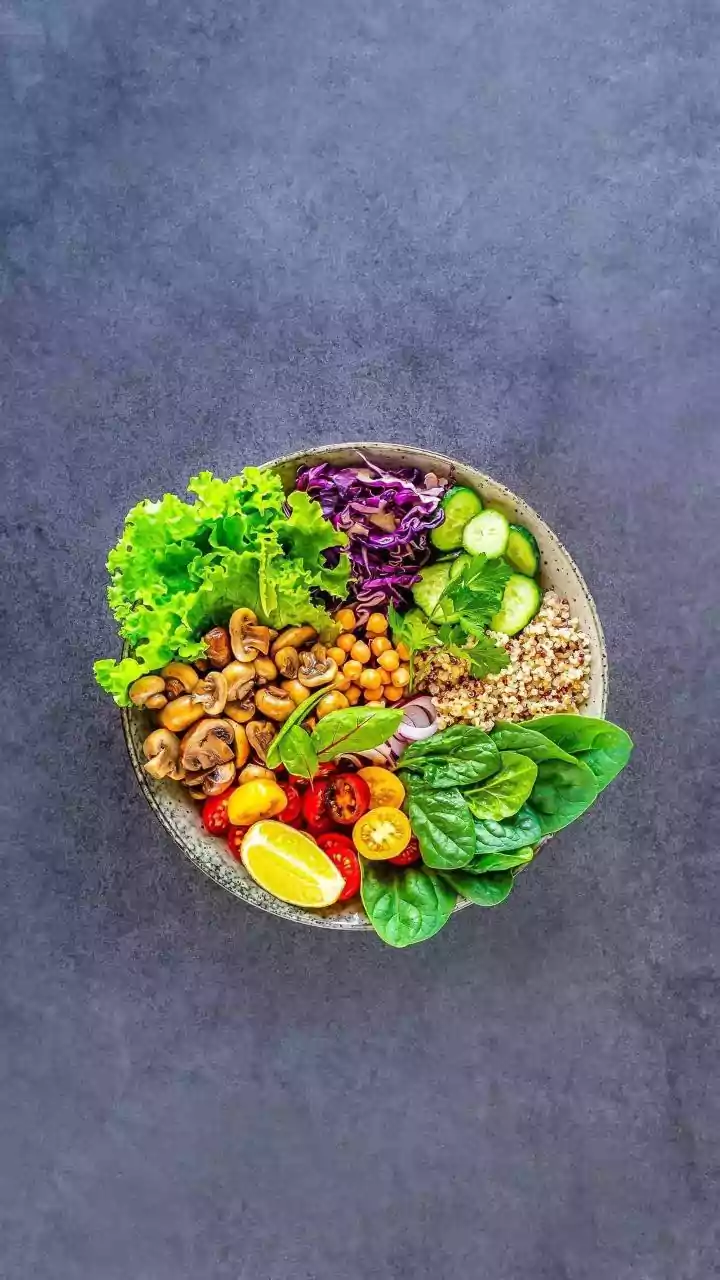
Forget counting every calorie or gram of fat. Many nutrition professionals recommend a simpler, more visual tool: the Plate Method. It’s an easy-to-remember guideline for balancing your meals without complex math. Imagine your plate divided into sections. Aim to fill half your plate with non-starchy vegetables (like broccoli, salad greens, peppers, or cauliflower). Then, fill one quarter with a lean protein source (like chicken, fish, beans, or tofu) and the final quarter with a high-fiber carbohydrate (like quinoa, brown rice, sweet potato, or whole-wheat pasta). This method ensures you get a good mix of fiber, vitamins, protein, and energy, promoting satiety and stable blood sugar levels in a flexible, intuitive way.
Habit 4: Plan for Imperfection
The all-or-nothing mindset is the death of consistency. Quick-fix diets teach us that one “mistake”—a slice of birthday cake, a handful of chips—derails the entire effort, often leading to giving up completely. The habit-based approach builds in flexibility. It’s not about being perfect; it’s about being consistent. The goal is to make the healthy choice the easy choice *most* of the time, not *all* of the time. If you have a weekend of indulgence, you haven't failed. The habit is to simply get back to your routine at the next meal, without guilt or punishment. This resilience is the true key to long-term success.