








The New Gold Isn't a Metal
If you want to understand the current moment, picture the California Gold Rush of 1849. Prospectors flooded west, not all of them striking it rich, but creating an entirely new economy in their wake. Today’s AI rush is similar, but the gold isn’t a shiny
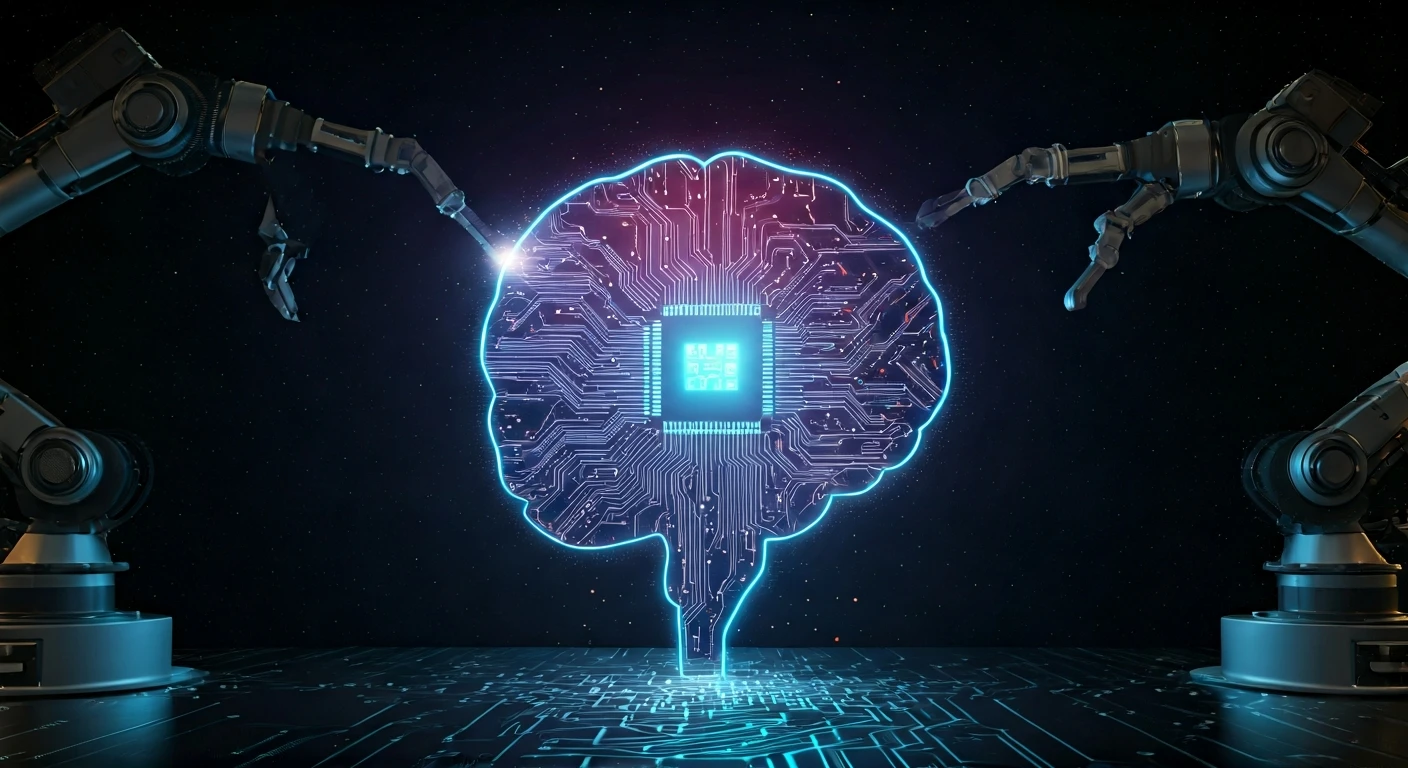
mineral—it’s computational power, and the mines are vast data centers. Companies aren’t panning for nuggets; they’re racing to build, train, and deploy artificial intelligence models that can write, code, design, and analyze at a scale never before possible. This isn't just about a cool new chatbot. It's a fundamental rebuilding of the digital infrastructure that powers our world, from search engines to logistics to drug discovery. The players involved are the biggest names in technology—Microsoft, Google, Amazon, Meta—along with a dizzying number of startups, all pouring billions into what they see as the next great platform.
Selling Shovels in a GPU Boom
In any gold rush, the surest way to get rich isn't to dig for gold, but to sell the picks and shovels. The undisputed shovel-seller of the AI era is Nvidia. The company, once known primarily to PC gamers, now finds itself at the center of the economic universe. Its highly specialized graphics processing units (GPUs) are the essential hardware for training and running large AI models. The demand is so insatiable that it has catapulted Nvidia into the an exclusive club of companies valued in the trillions, alongside Apple and Microsoft. This hardware bottleneck reveals the physical reality of the AI rush: it requires immense, electricity-guzzling server farms packed with these chips. The race to secure this computing power, or “compute,” is a geopolitical and economic battleground, defining the early winners and losers.
A Billion-Dollar War for Talent
Alongside the scramble for hardware is an equally intense war for human brains. The number of people in the world who can build and meaningfully advance top-tier AI models is astonishingly small. This has created a talent market unlike any other. AI researchers and engineers are being courted with compensation packages that can reach into the millions, often poached directly from university labs or rival companies. Microsoft’s staggering $10+ billion investment in OpenAI is the most visible example, but it’s happening everywhere. Google is scrambling to catch up with its Gemini models, Amazon is investing billions in Anthropic, and venture capitalists are funding any startup with a credible AI team. This isn’t just about money; it’s a strategic move to corner the intellectual capital that will define the next decade of technology.
So, Is This Another Bubble?
It’s the question on every skeptic’s mind. Does the frenzy—the soaring valuations, the breathless hype—mean we’re in a repeat of the dot-com bubble of the late ‘90s? It’s a fair question, but there’s a key difference. While the dot-com era was fueled by speculative promises of future profitability, the AI rush is built on tools that are already delivering tangible value. Companies are using generative AI *today* to write marketing copy, generate software code, and improve customer service. Millions of individuals are using tools like ChatGPT and Midjourney for work and creative projects. Unlike the “internet for pets” ideas of 2000, the utility of this technology is immediate and obvious. While some startups will inevitably fail and valuations may correct, the underlying technological shift is not speculative. The tools are real, and they are already being integrated into the fabric of the economy.