



The Power of the 'Gateway' Habit
Forget 'no pain, no gain.' For most of us, that mindset is a recipe for burnout, injury, or simply giving up before we even start. The real magic lies in what psychologists call 'habit stacking' and what we'll call the 'gateway' principle. An easy workout,
like a 10-minute walk, isn't just about the 50 calories you might burn. It's a psychological victory. It proves to your brain that you *can* be a person who exercises. This small win makes it easier to take the next, slightly bigger step tomorrow. The goal isn't to run a marathon on day one; it's to build a foundation of consistency so solid that fitness becomes a natural, enjoyable part of your life, not a dreaded chore.
Start With: A 15-Minute Walk
The humble walk is the undisputed king of gateway workouts. It's free, requires no special equipment, and the risk of injury is incredibly low. More importantly, it’s scalable. Today, it might be a 15-minute loop around your block. Next week, you might feel like exploring a new street or adding a small hill. Walking is proven to improve cardiovascular health, boost mood through endorphin release, and reduce stress. Instead of focusing on speed or distance, focus on the act itself. Listen to a podcast, call a friend, or simply pay attention to your surroundings. You're not just exercising; you're creating a positive daily ritual.
Incorporate: Bodyweight Squats While You Wait
Strength training sounds intense, but it doesn't have to be. Bodyweight squats are a fundamental human movement that strengthens your legs, glutes, and core—muscles you use every single day to get out of a chair or pick something up. The best part? You can sneak them into your day. While waiting for the microwave to beep or for your coffee to brew, do five to ten simple squats. Focus on your form: keep your chest up, your feet shoulder-width apart, and sit back as if you're aiming for a chair. This isn't about building massive muscle; it's about maintaining functional strength and teaching your body that movement is something you do throughout the day, not just in a gym.
Try: A 5-Minute Stretching Routine
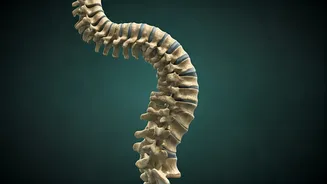
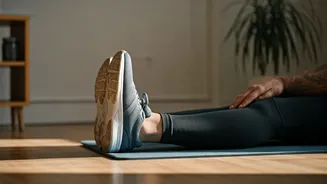
So much of our modern life involves sitting—at desks, in cars, on couches. This leads to tight hips, stiff backs, and poor posture. A gentle 5-minute stretching routine, done first thing in the morning or right before bed, can work wonders. It’s not about contorting yourself into a pretzel. Simple moves like a cat-cow stretch for your spine, a gentle hamstring stretch, or neck rolls can alleviate tension, increase blood flow, and improve flexibility. This is a workout for your mind as much as your body. It’s a quiet moment to check in with yourself, breathe deeply, and counteract the physical stresses of the day.
Embrace: The 'Workout Snack'
The U.S. Physical Activity Guidelines recommend 150 minutes of moderate-intensity activity per week, but they explicitly state that it doesn't have to be done all at once. This is where the 'workout snack' comes in. Think of it as breaking up a big meal into smaller, more manageable bites. A two-minute dance party in your kitchen, taking the stairs instead of the elevator, doing 20 jumping jacks during a commercial break—these little bursts of activity add up. They keep your metabolism active and, crucially, reinforce the identity of being an active person. Two minutes is never too daunting, making it an incredibly effective way to build momentum.