





Understanding the Spectacle
Before diving into logistics, it’s essential to grasp what the Rath Yatra, or Chariot Festival, is. Every summer, in the coastal city of Puri in Odisha, three Hindu deities—Lord Jagannath, his brother Balabhadra, and sister Subhadra—leave their home in the 12th-century
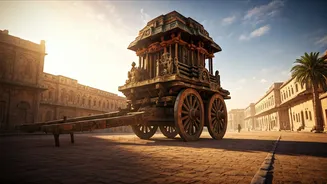
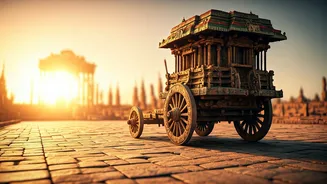
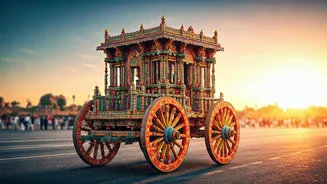
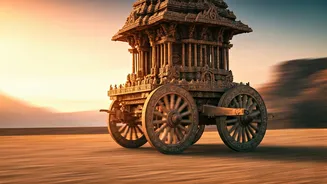
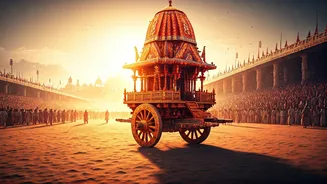
Jagannath Temple. They are placed on three colossal, newly built wooden chariots and pulled by thousands of devotees along the main thoroughfare, known as the Bada Danda. Their destination is the Gundicha Temple, considered their aunt’s home, where they reside for nine days before making the return journey. For Hindus, seeing the deities on their chariots and, especially, helping to pull the ropes is an act of immense religious merit, believed to cleanse one of sin. It's a raw, powerful, and deeply moving event that transcends mere observation.
The Route: Navigating the Bada Danda
The festival's entire public drama unfolds on a single, two-mile stretch of road: the Bada Danda, or Grand Road. This artery connects the Jagannath Temple at one end to the Gundicha Temple at the other. On the day of the Yatra, this road transforms into a sea of humanity. The three chariots, towering at over 40 feet, move at a glacial pace, surrounded by a tight cordon of police and a swirling mass of pilgrims. Finding a spot to watch is the primary challenge. Many hotels and guesthouses lining the Bada Danda offer balcony views for a premium price, which must be booked months, if not a year, in advance. Alternatively, people stake out spots on rooftops or simply join the moving ocean of people on the street. Be prepared for zero personal space. All vehicle traffic is banned in the core area, so you'll be on foot. The procession can take many hours, often stretching into the late evening.
The Truth About VIP Passes
The term “VIP Pass” is a common point of confusion for visitors. Officially, there is no system for the general public, foreign or domestic, to simply purchase a VIP pass for a special viewing area. The most coveted passes are reserved for government dignitaries, high-ranking temple officials, and special invitees. What many people refer to as VIP access often comes through other channels. Some high-end tour operators or luxury hotels may have arrangements for access to private viewing galleries. The temple administration sometimes allocates a limited number of passes to those who have made significant donations. The crucial takeaway is this: be extremely wary of anyone on the street or online offering to sell you a “VIP pass.” These are almost always scams. Your best bet for a controlled viewing experience is to book a room or a spot on a hotel balcony along the Bada Danda well in advance.
The Art of Darshan
Darshan, the act of seeing and being seen by a deity, is the ultimate goal for pilgrims, and there are multiple ways to experience it during Rath Yatra. For most, darshan is simply catching a glimpse of Lord Jagannath on his magnificent chariot as it moves along the Grand Road. The energy of this moment, shared with a million others, is unforgettable. A more intimate form of darshan is possible once the deities reach the Gundicha Temple. For the next seven days, pilgrims can visit them inside this quieter, less crowded temple. This period, known as the Adapa Darshan, is considered highly auspicious. Finally, there's the return journey, called the Bahuda Yatra, which is a near-exact repeat of the first procession, offering another chance to witness the spectacle on the Bada Danda before the deities re-enter the main Jagannath Temple.
Essential Tips for Attendance
Attending Rath Yatra requires preparation and a flexible mindset. First, book your accommodation and transportation at least six months to a year ahead; everything sells out. Dress modestly and practically—lightweight, breathable fabrics are best, and comfortable, closed-toe shoes are a must. The Odiya summer is brutally hot and humid, so carry water, stay hydrated, and protect yourself from the sun. For safety, be aware of your belongings in the dense crowds and have a pre-arranged meeting point if you're with a group. Finally, embrace the chaos. The festival is not a tidy, sanitized event. It is a loud, crowded, and intense spiritual immersion. Letting go of expectations of comfort and control is the key to truly appreciating one of the greatest human gatherings on the planet.