


1. Furniture That Transforms on Command
The biggest challenge in a tiny home is making one room serve multiple purposes. A space that’s a living room by day, a bedroom by night, and a home office on weekdays can feel chaotic. Enter robotic furniture. Companies like Ori Living are pioneering
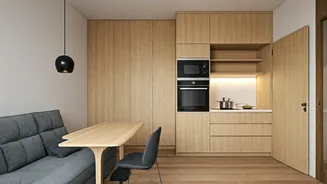
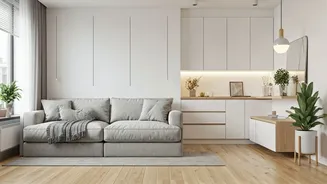
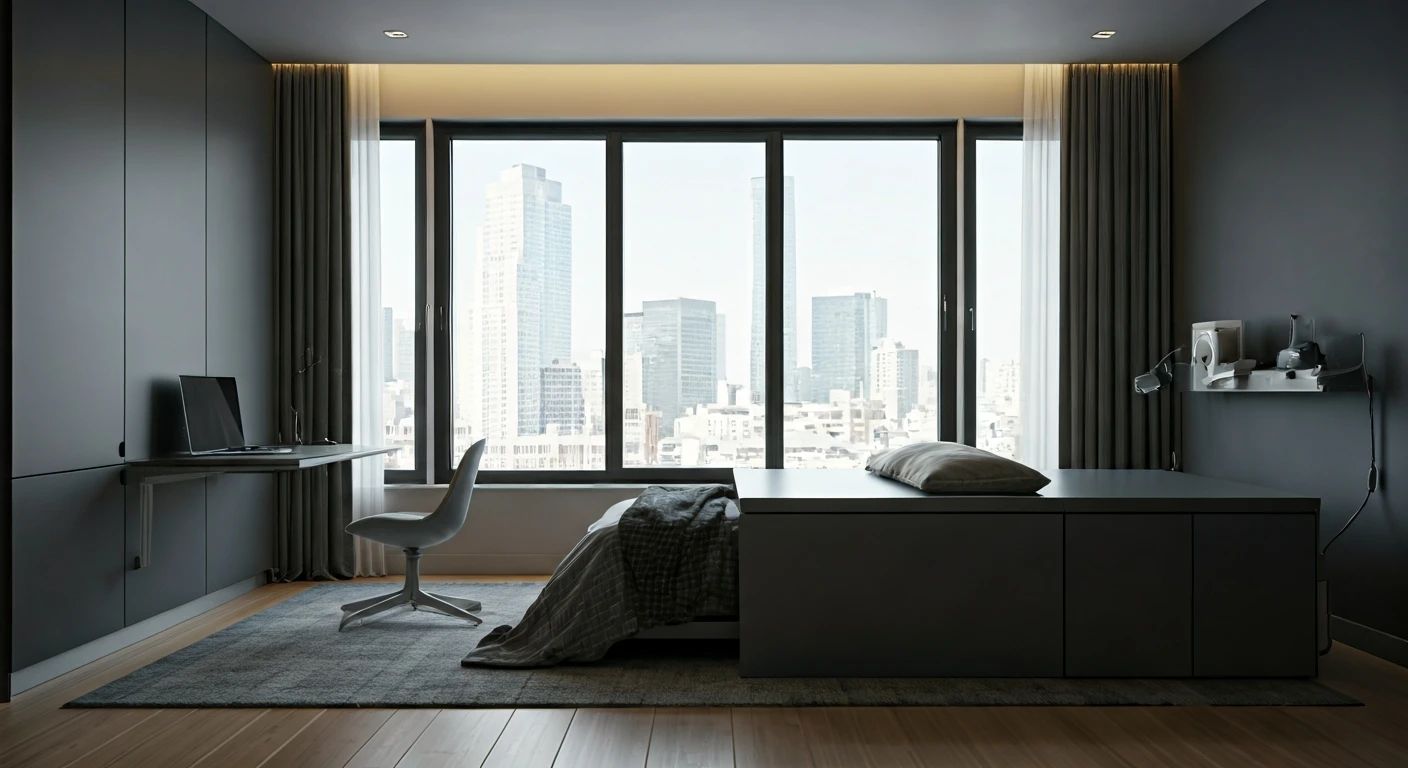
systems where entire walls, beds, and closets glide into place with a voice command or the tap of an app. Imagine your bed ascending into the ceiling to reveal a full sofa and living area underneath. Or a walk-in closet that emerges from a wall when you need it, then retracts to create an open office space. This isn't just about clever fold-out tables; it's about dynamic architecture that fundamentally changes the square footage you can actually use, making a 350-square-foot studio feel like it has separate, distinct rooms.
2. The Rise of the Multi-Function Appliance
Kitchens and laundry are notorious space hogs. In a sub-500 sq ft home, dedicating precious real estate to a separate washer, dryer, oven, and microwave is often impossible. The new generation of smart appliances solves this by packing more function into a smaller footprint. We’re seeing sleek, compact combination washer-dryers that handle a load from start to finish in one machine. In the kitchen, smart convection microwaves now double as air fryers, broilers, and even steam ovens, replacing three or four separate gadgets. Smart refrigerators are getting taller and thinner, using advanced vacuum insulation to maximize interior storage without a bulky exterior. These devices not only save physical space but also mental energy, often being controllable from a single app to coordinate cooking or laundry cycles.
3. Integrated Lighting That Creates 'Rooms'
In a small, open-plan space, visual separation is just as important as physical separation. Smart lighting is proving to be a game-changer here. Instead of relying on a single overhead light, homeowners can use integrated LED strips, smart bulbs, and connected lamps to create 'zones.' With a preset scene, you can illuminate the kitchen area with bright, cool light for cooking, while keeping the 'living room' area in a warm, cozy glow. Another setting might dim everything but a focused task light over a desk for work mode. These systems, controlled by voice assistants or apps, allow residents to instantly change the mood and perceived layout of their home without moving a single wall, making the space feel larger and more organized.
4. Smarter Climate and Air Quality Control
Comfort is paramount in a small space, where temperature fluctuations and stuffiness can be felt immediately. Older tiny homes often struggled with this, relying on clunky window AC units or inefficient heaters. Today’s smart homes integrate climate control directly into the design. Ductless mini-split systems with smart thermostats learn your habits and adjust automatically, saving energy and maintaining a perfect temperature. More importantly, smart air purifiers and ventilation systems are becoming standard. In a compact, airtight environment, monitoring and managing CO2 levels, humidity, and particulates is crucial for health and comfort. These silent, automated systems ensure the air stays fresh, preventing the space from feeling cramped or stale, which was a common complaint in early micro-dwellings.
5. Disappearing Screens and Seamless Workspaces
A giant black television screen can visually dominate a small room. To solve this, smart small homes are moving beyond the traditional TV. Ultra-short-throw projectors can cast a brilliant 100-inch screen onto a plain white wall and retract into a discreet console when not in use. Some designs even feature 'smart glass' windows that can turn opaque and function as a projection screen. For the home office, the focus is on seamless integration. Desks fold out of walls or rise from consoles, complete with built-in charging ports and monitors, and then disappear completely at the end of the workday. This tech-forward approach ensures that work and entertainment don't permanently colonize the limited living space, allowing the home to transform back into a restful sanctuary.