







More Than a Market, a Cultural Revival
Across parts of South and Southeast Asia, the monsoon season is more than just a weather pattern; it’s a rhythm that shapes life and work. For many weaving communities, the rainy months offer a respite from agricultural labor, providing the perfect time
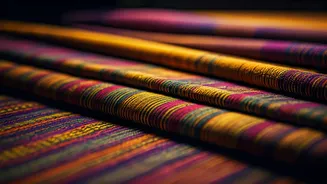
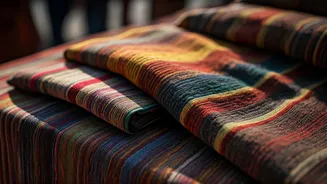
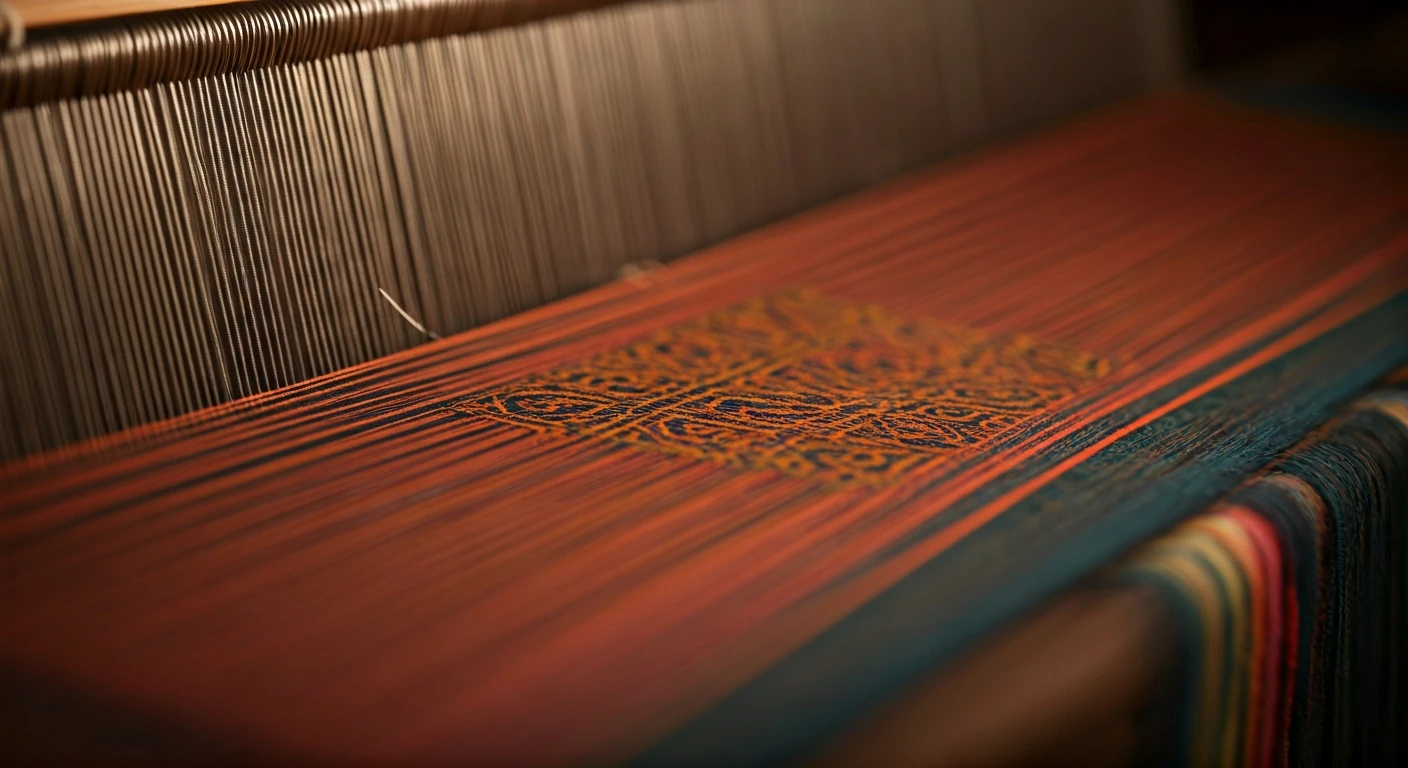
to sit at the loom. Handloom fairs held during this period are not simply pop-up shops. They are dynamic cultural hubs where artisans, many from remote Indigenous communities, gather to sell their wares, share techniques, and connect with a world hungry for authentic, slow-made goods. These events are a powerful counter-narrative to fast fashion, showcasing items imbued with story, skill, and a deep connection to place. When you walk through the stalls, you’re not just browsing textiles; you’re witnessing the living pulse of a heritage that has been passed down through countless hands.
Stories Woven into the Threads
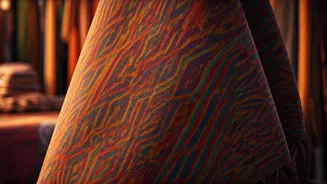
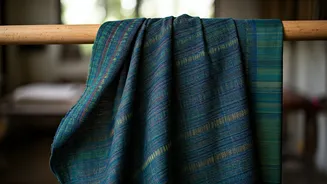
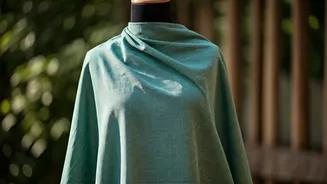
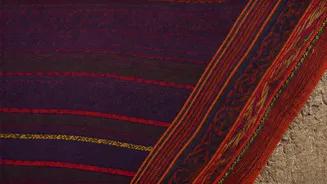
Each fabric on display tells a unique story. Take the bold, geometric shawls of the Naga tribes from Northeast India. These aren't just for warmth; they are a visual language, with specific patterns and motifs indicating the wearer's tribe, social standing, and personal achievements. Traditionally woven by women on backstrap looms, a single intricate shawl can take months to complete. Similarly, consider Eri silk from Assam, also known as “peace silk” because the silkworms are not killed in the process of harvesting the cocoon. The resulting fabric is dense, durable, and incredibly soft, with a subtle, rustic texture. It’s a textile born from a philosophy of non-violence. Then there are the vibrant Ikat weavings from Odisha, where threads are painstakingly tie-dyed before being woven. This creates the signature blurred patterns that seem to float on the fabric’s surface, a testament to the weaver’s mathematical precision and artistic vision.
A New Generation at the Loom
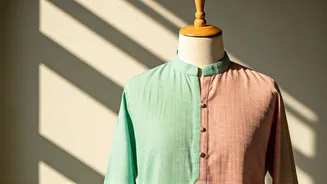
Perhaps the most exciting aspect of these fairs is the visible presence of young artisans. For decades, handloom weaving faced a crisis, as younger generations sought more lucrative and modern careers in cities. The work is demanding, time-consuming, and was often poorly compensated. However, a cultural shift is underway. Spurred by a renewed appreciation for heritage, support from NGOs, and the power of social media to connect them directly to global customers, a new cohort of weavers is proudly taking up the craft. These young men and women are not just replicating old designs. They are innovators, experimenting with natural dyes, creating contemporary color palettes, and adapting traditional motifs for modern apparel and home decor. They are building brands, telling their own stories online, and demonstrating that tradition is not static—it’s a living, evolving practice.
How to Be a Conscious Consumer
Engaging with these textiles is an opportunity to become a more thoughtful consumer. When you find a piece that speaks to you, whether at a fair or through an ethical online retailer, take a moment to learn its story. Ask about the community it came from, the materials used, and the meaning behind its design. Unlike a mass-produced item, the value of a handloom textile is not just in its utility but in its humanity—the hours of labor, the generations of knowledge, and the cultural identity woven into every fiber. Paying a fair price is crucial; it honors the artisan’s skill and enables them to continue their work. By choosing to invest in these pieces, you are doing more than acquiring a beautiful object. You are helping to sustain a vital art form and empowering a new generation to keep their cultural legacy alive and thriving.