








More Than Just Miles
For decades, the idea of a running club conjured images of serious athletes in matching singlets, obsessing over split times and heart rate zones. The goal was singular: get faster. But across the U.S., a cultural shift is redefining what it means to
run together. The new model prioritizes community and connection over competition, and the primary tool for building that bond is often a shared meal or drink. These clubs, popping up in cities from Austin to Brooklyn, understand a simple truth: it’s easier to commit to a 5-mile run on a Tuesday night when you know there’s a cold beer and good conversation waiting at the end. The run is no longer the sole purpose; it’s the catalyst for a social gathering. This approach dramatically lowers the barrier to entry, welcoming joggers, first-timers, and walkers who might be intimidated by a more performance-driven environment.
The Rise of 'Runcuterie'
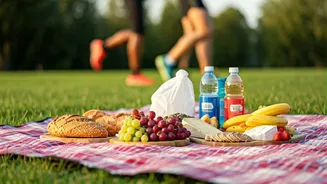
This isn't just about grabbing a quick post-run protein bar. The trend is a full-blown embrace of food culture. You’ll find clubs with names that wink at their dual purpose, like a “Donut Run” or a “Taco Trot.” The post-run gathering is as much a part of the club’s identity as the route itself. Craft breweries have become particularly popular partners, hosting weekly runs that conclude with a pint. It’s a symbiotic relationship: the brewery gets a crowd on a typically slow weeknight, and the runners get a built-in social venue. Social media is amplifying the movement, with feeds full of smiling, sweaty groups clinking glasses or sharing a platter of nachos. The aesthetic is less about showcasing athletic prowess and more about celebrating a balanced, enjoyable lifestyle. This “runcuterie” culture—a playful nod to the curated social experience—rejects the old-school, restrictive diet mentality often associated with fitness. It sends a powerful message: you can be dedicated to your health and still enjoy life’s simple pleasures.
Why Carbs and Community Work
The success of these clubs isn’t just about the food; it’s about the psychology of reward and belonging. Tying a challenging activity (the run) to an immediate, pleasurable social reward (the food and friends) creates a powerful habit loop. It reframes exercise from a chore into a fun social outing. For many, this is a more sustainable form of motivation than simply chasing a personal best. Furthermore, these clubs offer a potent antidote to modern loneliness. In an increasingly digital world, they provide a reliable, low-pressure way to build real-world connections. The shared effort of the run creates an easy camaraderie, and the casual setting of a pub or pizzeria allows for conversations that go beyond pace and mileage. Friendships are forged over shared plates, not just shared miles. The focus shifts from individual achievement to collective experience, creating a supportive network where people show up as much for each other as they do for the exercise.
Finding Your Pace (and Your Plate)
Ready to trade your solo slog for a social stride? Finding a food-focused run club is easier than you think. Start by checking with local running shoe stores; they often serve as community hubs and are aware of all the local groups. Breweries, craft beer bars, and even coffee shops in your area are another great place to look—many advertise their weekly run clubs on social media or on-site posters. Online searches using terms like "social run club," "brewery run," or "fun run" combined with your city’s name will likely yield plenty of options. Instagram and Facebook are particularly useful, as most clubs use these platforms to announce routes, times, and post-run destinations. Don't be shy about showing up alone. The entire point of these groups is to be welcoming, and you’ll find that a simple "Is this the run club?" is all it takes to be welcomed into the fold.