



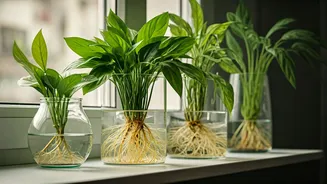
The Soil-Free Solution
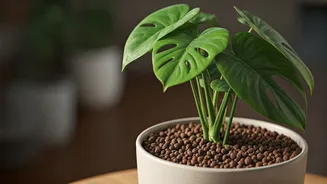
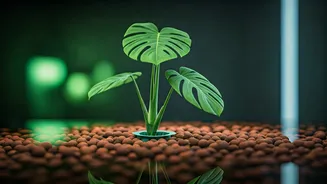
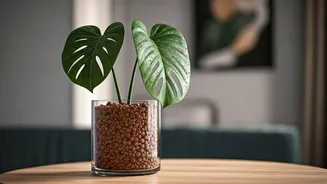
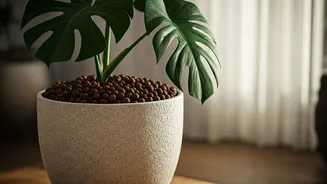
The secret to this cleaner horticultural life isn’t some complex, high-tech gadget. It’s a simple, reusable, and surprisingly effective medium: lightweight expanded clay aggregate, or LECA. You may have seen these little reddish-brown, marble-sized clay balls
used as a decorative topping in potted plants, but their real power lies in replacing soil entirely. LECA is made by baking clay at extremely high temperatures, causing it to expand and form a porous, lightweight structure. These sterile, pH-neutral pebbles provide a stable, airy environment for plant roots to thrive, completely eliminating the dirt, mud, and mess associated with traditional potting soil.
How Does It Actually Work?
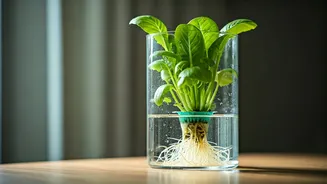
This method, known as semi-hydroponics, is a brilliantly simple system. Unlike traditional soil that can become compacted or waterlogged, LECA creates a perfect balance of moisture and oxygen. Here’s the process: your plant sits in a pot filled with LECA. The bottom of the pot acts as a water reservoir, holding a small amount of nutrient-rich water. The porous clay pebbles act like tiny wicks, drawing moisture up from the reservoir and delivering it directly to the plant’s roots as needed. The spaces between the pebbles ensure that the roots also have constant access to air, which is crucial for preventing root rot—one of the most common killers of houseplants. It’s a self-regulating system that takes much of the guesswork out of watering.
The Clean-Cut Benefits
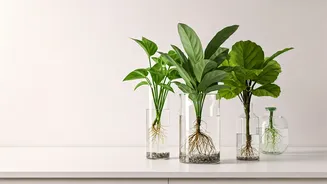
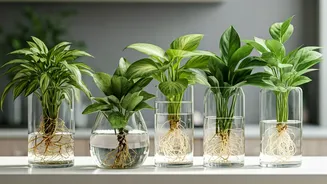
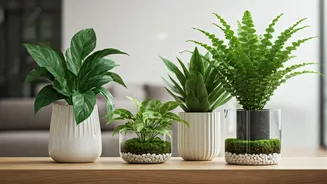
The most immediate advantage is right there in the name: low mess. Repotting a plant from soil to LECA is a one-time messy job. After that, you’re done with dirt. There’s no soil to spill on your floors, no mud to clean up, and no grimy residue under your pots. This cleanliness has a secondary, powerful benefit: pest reduction. Many common houseplant pests, like fungus gnats, lay their eggs in the top layers of damp organic soil. By eliminating the soil, you eliminate their breeding ground. Your home is cleaner, and your plants are safer. Furthermore, because you can often see the water level in the reservoir (especially if you use a clear pot), it's much harder to over- or under-water your plants. The constant, gentle hydration encourages strong, healthy root development.
Is There A Catch?
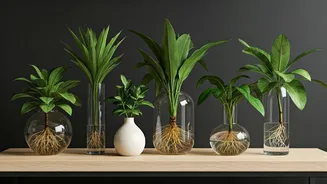
While semi-hydroponics is a game-changer for many, it’s not a magic bullet. There is a learning curve. The biggest adjustment is nutrition. Unlike soil, LECA contains no nutrients. This means you are entirely responsible for feeding your plants. You’ll need to add a diluted, hydroponic-specific fertilizer to the water reservoir every time you refill it. Regular all-purpose plant food won't cut it, as it lacks the full spectrum of micronutrients that soil typically provides. Additionally, transitioning a plant from soil to LECA can be stressful for the plant. You must be meticulous about washing every speck of soil from its roots to prevent rot in the new environment. Some plants may experience shock and lose a few leaves before they adapt and grow new “water roots” suited to the semi-hydro setup.
Getting Started With Semi-Hydro
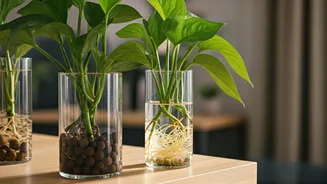
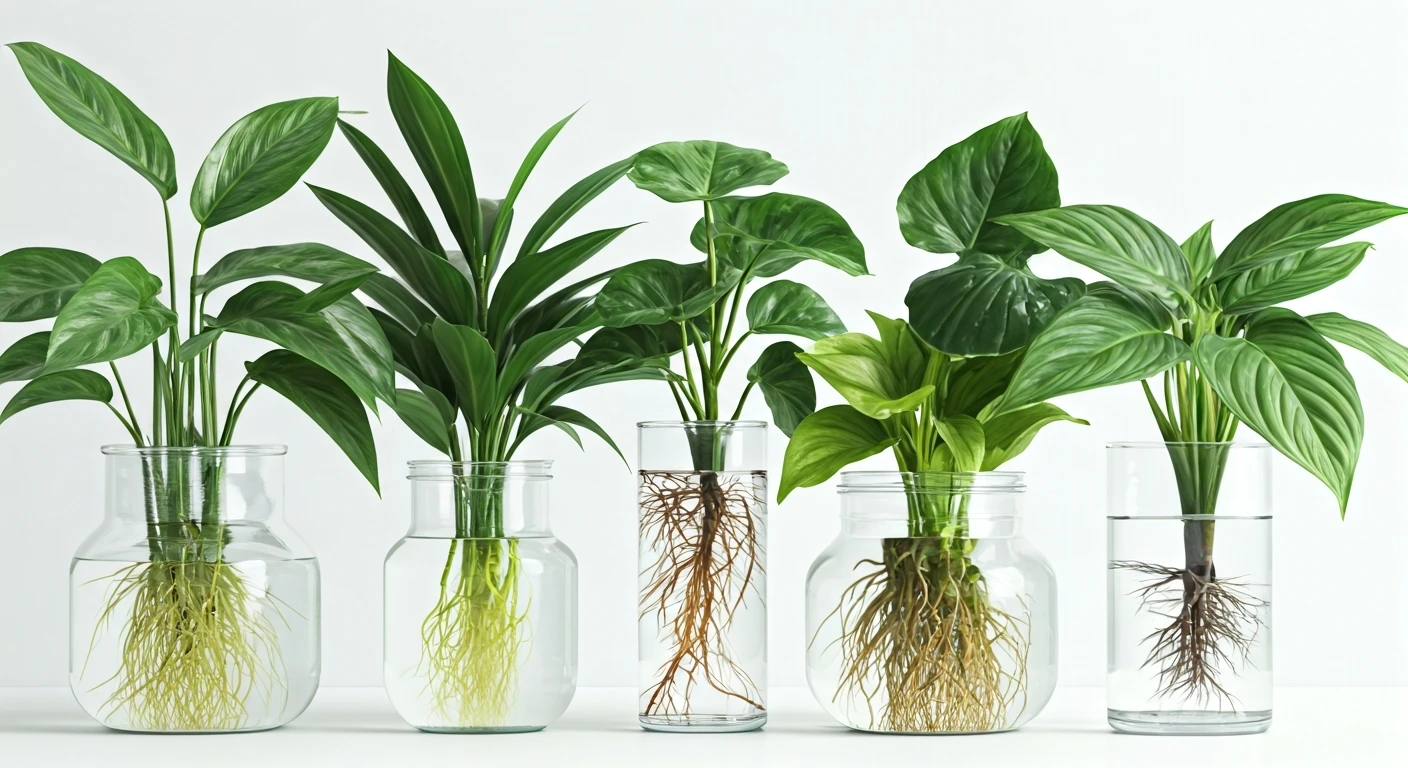
Curious to give it a try? Start small with a hardy, easy-going plant like a pothos or a snake plant. You’ll need three things: a bag of LECA (available online or at specialty garden centers), a hydroponic nutrient solution, and a pot with no drainage holes to act as your reservoir. A clear glass vase or a plastic container works perfectly for beginners, as it allows you to monitor the water level and root growth. First, rinse the LECA thoroughly to wash away any clay dust. Then, carefully remove your plant from its soil pot and gently wash all the dirt from its roots. Place a layer of LECA in your new pot, position the plant, and backfill with more LECA until it’s stable. Finally, add your nutrient-water solution until it fills about one-third of the pot, ensuring the roots themselves aren't sitting directly in the water. That’s it—your low-mess journey has begun.