





More Than Just a Crate
For years, pet ownership meant accommodating a few necessities: a food bowl, a water dish, and a place to sleep. That place was often a utilitarian crate or a simple pillow in the laundry room. But as pets have solidified their status as cherished family
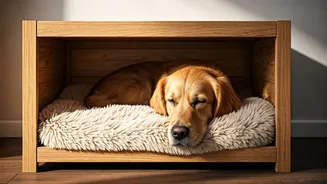
members, our approach to their environment has evolved. Enter the 'cosy den'—a thoughtfully designed, dedicated space that provides comfort, security, and a sense of belonging. This isn't about luxury for luxury's sake. The cosy den is a direct response to a deeper understanding of animal psychology. It’s a deliberate move away from simply containing an animal and toward providing them with a personal sanctuary. Think of it as the modern, more humane evolution of the crate: a space that's not for confinement, but for voluntary retreat. It’s their personal bedroom, their safe space, and a cornerstone of a new wave in pet wellness.
The Science of a Safe Haven
So, why is a dedicated den so beneficial? It taps directly into a pet's natural instincts. For dogs, who are den animals by ancestry, having a small, enclosed, and dark space can provide an immense sense of security. It mimics the lairs their wild ancestors would have sought for safety and rest. When a dog has a place to call their own, they have a reliable escape from the overstimulation of a busy household—the doorbell ringing, kids running around, or visitors dropping by. This is particularly crucial for anxious pets. Animal behaviorists often recommend creating predictable, safe environments to help manage stress. A cosy den provides exactly that. It's a consistent, positive zone where they know they won't be bothered. For cats, who are both predators and prey, having a secure, elevated, or hidden perch from which to observe their surroundings is equally calming. This designated spot helps reduce stress-related behaviors and gives them the confidence that comes from having a secure home base.
How to Create the Perfect Den
Building a wellness corner for your pet doesn't have to be complicated or expensive. The goal is to create a space that is safe, comfortable, and appealing to them. Start by choosing the right location. It should be in a relatively quiet part of the house but not completely isolated; pets often want to be near their family. A corner of the living room or your home office is often ideal. Avoid high-traffic hallways or spots next to loud appliances. Next, furnish it for comfort. An orthopedic bed can support joints, while soft blankets or an old sweatshirt with your scent on it can be incredibly soothing. Add one or two favorite toys, but keep the space uncluttered. The structure itself can be a stylish, furniture-like crate, a nook built under the stairs, a soft-sided pet tent, or even a well-placed end table draped with a heavy blanket to create a cave-like feel. The key is that it feels enclosed on at least two or three sides.
Integrating It Into Your Home
One of the best parts of the cosy den trend is that it doesn't require you to sacrifice your home's aesthetic. Pet product companies have responded to this demand with an array of beautiful, design-forward options. You can find crates made from light-colored wood that blend with Scandinavian decor or elegant metal designs that suit a modern industrial look. Look for washable cushion covers in fabrics and colors that coordinate with your furniture. By incorporating the den into your existing design, it becomes a seamless part of your home rather than an afterthought. This visual integration also reinforces the pet's role as a true member of the household, with a beautiful and permanent space of their own.
Rules of the Den: Common Mistakes to Avoid
To ensure the den remains a positive sanctuary, it’s crucial to establish some ground rules. First and foremost, the den should never be used for punishment. Sending a pet there after they've misbehaved will create a negative association and defeat its entire purpose. It must always be a place of safety and comfort. Likewise, never force your pet into their den. You can entice them with treats and praise, but the choice to use it should be theirs. Finally, teach the whole family, especially children, that when the pet is in their den, they are not to be disturbed. This boundary is essential for building the trust and security that makes the space effective.