




So, What Is a 'Mood-Led' Trip?
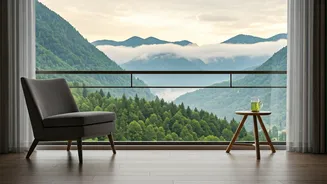
Imagine this: It’s a Thursday afternoon, you’re feeling completely drained by work, and you have an overwhelming urge for quiet and solitude. Instead of toughing it out until the weekend, you book a two-night stay at a serene mountain cabin just a few
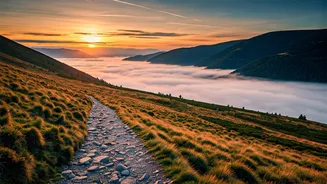
hours away. That’s a mood-led trip. This isn't just a last-minute getaway; it's a short, impromptu vacation specifically chosen to match and remedy an immediate emotional need. Feeling adventurous and cooped up? A quick trip for a coastal trek might be in order. Feeling celebratory? Maybe it’s a spontaneous flight to a city known for its vibrant nightlife. The planning horizon is often just a few days, sometimes even hours, and the primary goal is emotional regulation and restoration, not just sightseeing. It’s a move away from the meticulously planned, checklist-driven vacation toward something more intuitive and responsive.
The Rise of the 'Quick Escape'
This trend isn't happening in a vacuum. It's a direct response to the pressures of modern urban life in India, particularly for millennials and Gen Z. Post-pandemic work culture, with its blurred lines between home and office, has intensified feelings of burnout. The traditional annual one-or-two-week vacation feels increasingly insufficient to cope with the constant, low-grade stress. As a result, many younger Indian professionals are prioritizing frequent, shorter breaks over one big holiday. These mini-vacations, or 'minications,' serve as pressure release valves. They’re seen not as a luxury, but as a necessary component of mental wellness and work-life balance. Travel companies in India have noted a significant uptick in searches for weekend getaways and short-haul destinations, reflecting a collective desire to disconnect and recharge more often, even if it’s just for 48 or 72 hours.
From Himalayan Retreats to Coastal Cafes
The destinations for these trips are as varied as the moods that inspire them. A traveler in Delhi feeling overwhelmed by the city's chaos might book a bus to hill stations like Rishikesh or McLeod Ganj for fresh air and spirituality. Someone in Mumbai feeling sluggish and uninspired might hop on a short flight to Goa, not for the party scene, but to work from a beachside cafe for a couple of days. A professional in Bangalore, the country's tech hub, might drive to the coffee plantations of Coorg for a dose of nature. The key is accessibility. These aren't epic, cross-continental journeys; they are manageable escapes to nearby locations that offer a complete change of scenery and pace. The focus is less on seeing iconic landmarks and more on experiencing a different atmosphere—the cool mountain air, the sound of the ocean, or the quiet of a remote homestay.
Technology as the Great Enabler
This culture of spontaneity is heavily enabled by technology. The proliferation of travel aggregator apps, budget airlines, and a robust network of boutique hotels and homestays has made last-minute travel more feasible and affordable than ever before. Platforms like MakeMyTrip, Goibibo, and Airbnb allow travelers to find and book accommodation and transport with just a few taps on their phone. Dynamic pricing and last-minute deals can make a spontaneous trip surprisingly economical. Furthermore, the rise of remote and flexible work arrangements has given many the freedom to take a 'workation,' blending their professional responsibilities with the restorative benefits of a new environment. This digital infrastructure removes the friction that once made impromptu travel a logistical nightmare, turning a fleeting desire for escape into a tangible reality.