





More Than Just 'Indian Tapas'
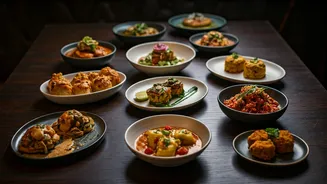
It’s tempting to label this trend ‘Indian tapas,’ but that doesn’t quite capture the full story. While the format—small portions meant for sharing—is similar, the philosophy is distinct. This isn’t about simply shrinking down classic dishes like butter
chicken or saag paneer into smaller bowls. Instead, it’s a ground-up reimagining of flavors, textures, and ingredients that are core to Indian cooking. This movement is driven by a new generation of chefs, both in India’s bustling metropolises and in major U.S. cities. They are using French techniques, local American produce, and modernist culinary science to deconstruct and reinvent. Think of a samosa, but instead of a fried pyramid, you might get a delicate, flaky cone filled with spiced potato foam. Or consider pani puri (also known as golgappa), the classic street food snack; it might be served with the traditional spiced water replaced by an avocado-jalapeño infusion, presented in a test tube for a bit of tableside theater. This isn't just dinner; it's a conversation starter.
A Taste of a New India
So, why is this happening now? This culinary shift mirrors a broader cultural one. For decades, Indian food in America was largely defined by a standardized, Northern Indian, post-colonial British template. It was delicious, but it was also a monolith. The small plates trend is a confident declaration that Indian food is not one thing, but many. It reflects the tastes of a modern, urban, and globally connected India—and its diaspora. These chefs grew up with the rich, complex flavors of their grandmothers' cooking but also traveled the world, worked in Michelin-starred kitchens, and absorbed global food trends. The result is a cuisine that is unapologetically Indian in its soul but cosmopolitan in its execution. It’s food that feels equally at home in Mumbai, New York, or London, speaking a universal language of creativity and quality ingredients.
What’s On the Menu?
When you encounter an Indian small plates menu, you’re embarking on an adventure. You might start with a dish like Blue Cheese Naan, a brilliant fusion of pungent Western cheese and a pillowy Indian flatbread. You could move on to Lamb Keema Tacos, where the spiced ground lamb finds a new home in a corn tortilla, perhaps topped with a cooling mint-yogurt crema. Other hits include jackfruit sliders, where the fibrous fruit mimics pulled pork, slathered in a tangy, tamarind-based barbecue sauce. Seafood gets a makeover, too, with dishes like seared scallops served on a bed of lemon-cashew rice or tandoori octopus charred to perfection. Each plate is a distinct experience, a self-contained explosion of flavor that stands on its own while also contributing to the larger meal. This format encourages diners to be adventurous, to try three or four different things instead of committing to a single, massive entrée.
Designed for Sharing (and Instagram)
The “shareable” part of the headline is key. This style of dining is inherently social. It breaks down the formal barrier of a one-person, one-entrée meal, encouraging interaction as friends reach across the table to snag the last bite of a crispy kale chaat or argue over which dish was the best. It’s a more dynamic and communal way to eat. And let's be honest: these plates are also designed for the camera. The presentation is meticulous. Bright chutneys are artfully swirled, microgreens are placed with tweezers, and vibrant powders are dusted just so. In the age of social media, a dish’s visual appeal is nearly as important as its taste. The small plate format provides the perfect canvas for this artistry, creating bite-sized, jewel-like creations that are tailor-made for an Instagram feed. This visual appeal has been a huge engine for the trend's growth, spreading the word far faster than traditional reviews ever could.