



The Reign of the Instagram Face
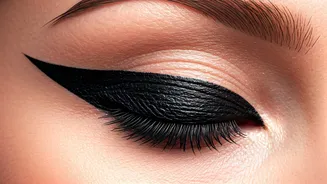
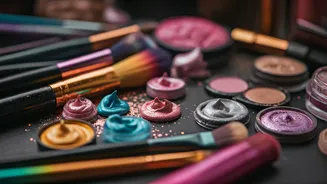
For the better part of a decade, beauty was a game of more. Inspired by YouTube tutorials and perfected on Instagram, the mid-2010s look was architectural. It involved a multi-step routine that could rival a professional painter’s process: color-correcting
concealer, full-coverage foundation, a thick layer of translucent powder to “bake” the under-eyes, and a contour sharp enough to cut glass. Eyebrows were meticulously carved out and filled in, and the look was sealed with a bone-dry liquid lipstick. This was performative makeup. It was about transformation, creating a flawless, camera-ready canvas that was undeniably impressive but often masked the person underneath. Driven by influencers and the rise of direct-to-consumer brands, “heavy glam” became the default for a night out, a big event, or even just a Tuesday selfie.
Enter: The 'Clean Girl' Aesthetic
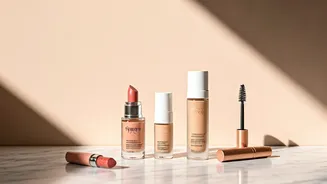
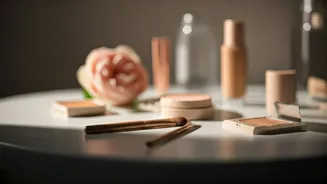
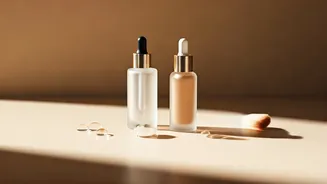
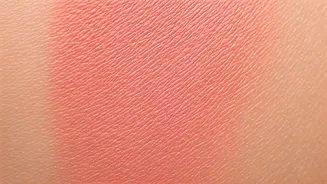
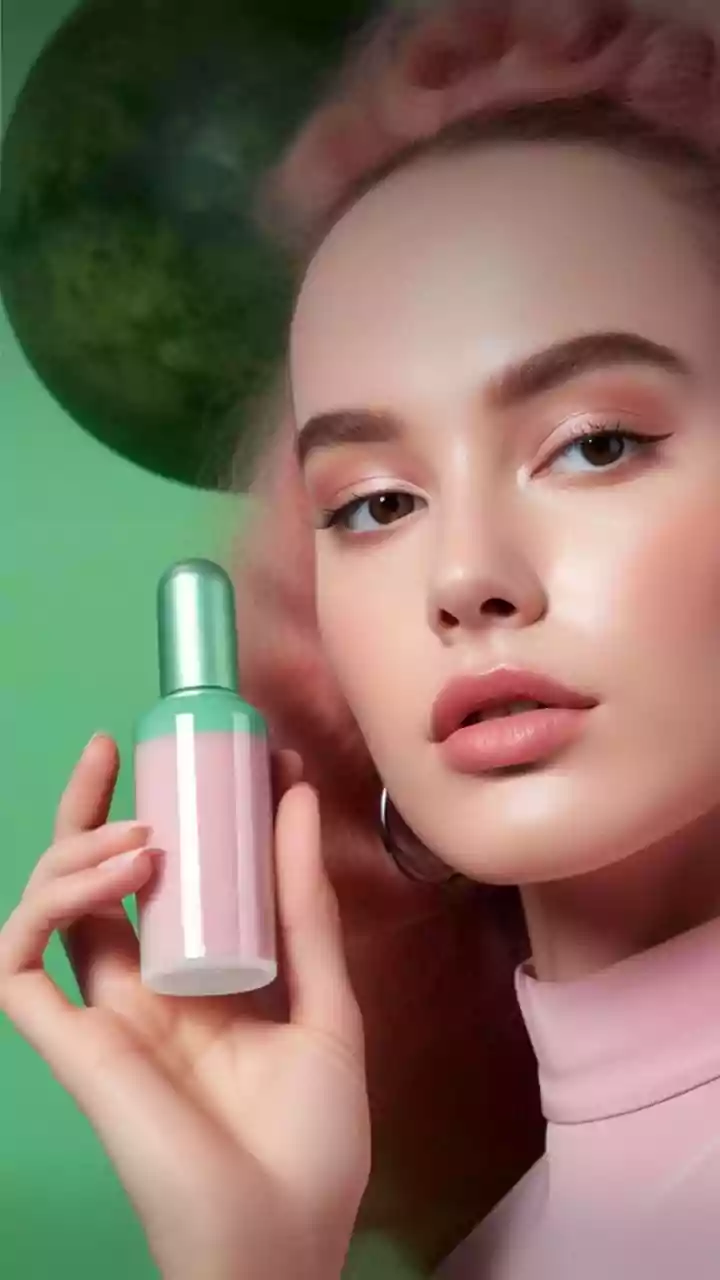
Now, scroll through TikTok or look at any recent red carpet, and you’ll see the pendulum has swung dramatically. The new ideal is what’s been dubbed the “clean girl” aesthetic, though its essence is broader than any single label. It’s about skin that looks like skin—dewy, hydrated, and radiant. Instead of heavy foundation, the stars are sheer skin tints, tinted moisturizers, and strategically placed concealer. Cream blush has dethroned powder, giving a natural, flushed-from-within glow. Brows are brushed up and feathery, not stenciled on. Lips are juicy with gloss or a hydrating balm. The goal isn’t to transform, but to enhance. It’s the “your skin but better” philosophy put into practice, prioritizing a healthy, luminous base over intricate artistry. The finished product looks effortless, even if it still requires a few key products.
Why the Great Makeup Reset?
This isn’t just a cyclical trend; it’s a reflection of a broader cultural shift. The primary driver is a collective fatigue with the pressure of online perfection. After years of Facetune and filters creating impossible standards, there’s a growing desire for authenticity. People want to look like themselves, not an airbrushed avatar. The pandemic accelerated this. Months spent at home broke our daily makeup habits and shifted focus inward. We invested time and money in skincare, realizing that a great canvas needs less paint. Why spend 30 minutes applying a heavy foundation when a consistent Vitamin C serum can give you a natural glow? This “skinimalism” — a portmanteau of skin and minimalism — prizes a simplified, effective routine over a drawer full of products. It’s about celebrating, not covering, your real skin.
More Than a Look, It's a Vibe
Ultimately, the move to “light beauty” is about a change in attitude. The heavy glam of the 2010s was often about projecting a certain kind of power and perfection—a polished armor for the digital world. The new aesthetic is rooted in confidence and ease. It’s the beauty equivalent of wearing a favorite pair of well-worn jeans instead of a restrictive dress. It suggests you’re comfortable in your own skin and have other things to focus on. This ethos extends beyond makeup to include slicked-back buns, simple claw-clip updos, and an overall emphasis on wellness. It’s less about the final, static image and more about embracing a feeling of fresh, understated cool. It’s not anti-makeup; it’s pro-you.