




An Introduction to Paradise
First, let's get acquainted. For most Americans, Lakshadweep is a brand-new name. Located in the Laccadive Sea off the southwestern coast of India, it’s an archipelago of 36 coral atolls and islands, only ten of which are inhabited. Think of it as India's
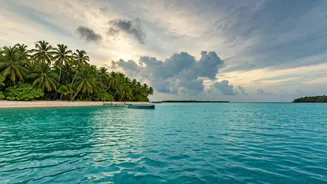
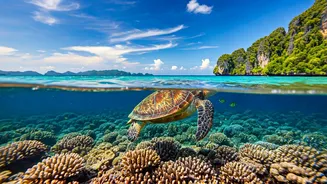
answer to the Maldives or Bora Bora, but with a crucial difference: it remains largely undeveloped and fiercely protected. The name itself means "one hundred thousand islands" in Sanskrit and Malayalam, a testament to its sprawling, scattered nature. What you'll find here is the stuff of screensavers: powdery white sand, shockingly turquoise lagoons, and vibrant coral reefs teeming with marine life. It’s a haven for snorkeling, scuba diving, and simply disconnecting from the world. However, its remoteness and delicate ecosystem mean that access is controlled. This isn't a place you can just show up to; visiting requires special permits, especially for foreign nationals, and the infrastructure is geared toward eco-tourism, not mass-market resorts.
The Deciding Factor: The Monsoon
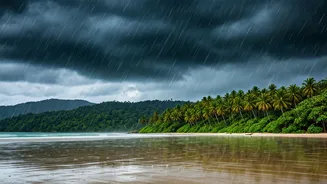
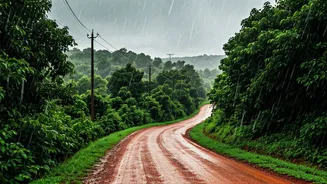
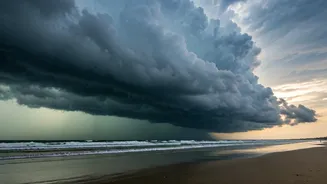
Here is the heart of the matter. Unlike a trip to Cancun or Hawaii, where you might encounter a passing shower, Lakshadweep’s climate is dictated by a powerful and predictable monsoon season. This isn't just a little rain; it's a period of torrential downpours, high winds, and extremely rough seas that effectively shuts down tourism. The main event is the Southwest Monsoon, which lashes the islands from late May to September. During these months, many resorts and guesthouses close, boat services between islands are suspended for safety, and the water becomes too choppy and murky for diving or snorkeling. Even the flights to Agatti, the main airport, can be subject to delays or cancellations. Following that is the Northeast Monsoon, which can bring unsettled weather from October through November. Simply put, booking a trip during peak monsoon season isn't just inconvenient—it could mean you're stranded, or your entire itinerary is a washout.
Beyond Weather: Permits and Logistics
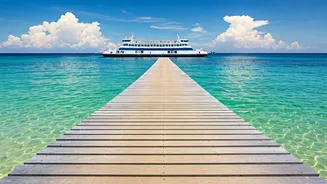
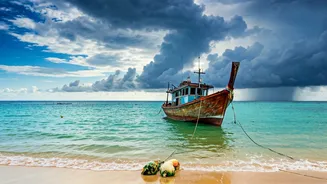
The need for 'serious checks' extends beyond just the forecast. The entire logistical chain for visiting Lakshadweep is weather-dependent. Access for tourists is primarily through the airport on Agatti Island or via passenger ships from Kochi. From Agatti, you rely on smaller boats or helicopters to get to other islands like Bangaram and Kavaratti. When the sea is rough, these transfers stop. A forecast for high winds can mean you’re stuck on one island when your flight home leaves from another. Furthermore, all tourists must obtain an entry permit from the Lakshadweep administration. For foreign travelers, this process is usually handled by booking through an authorized tour operator who arranges the permits as part of a package. This isn't a DIY destination where you can book flights and hotels separately and hope for the best. The limited number of accommodations and flights means everything must be arranged well in advance, making it even more crucial that you plan for a timeframe when the weather is reliable.
The Golden Window for Your Trip
So, when should you go? The undisputed best time to visit Lakshadweep is from October to mid-May. This period falls outside the heavy monsoon, offering calm seas, clear skies, and excellent water visibility perfect for underwater activities. Within this window, the absolute peak season is from December to February, when the weather is at its most idyllic—dry, sunny, and pleasant. By planning your trip during this 'golden window,' you’re not just hoping for good weather; you are aligning your travel with the operational season of the entire archipelago. Ferries will be running, dive shops will be open, and the islands will be at their most accessible and beautiful. Checking the long-range forecast is still wise, but planning within these months is the single most important decision you'll make for a successful Lakshadweep holiday.