







Why 'Rest Day' Is the Wrong Term
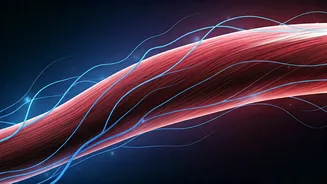
The phrase “rest day” implies passivity—a complete cessation of effort. But in reality, your body is working overtime. When you lift weights, run sprints, or push your limits, you create microscopic tears in your muscle fibers and deplete your energy
stores. This stress is the signal, not the result. The magic happens next. During recovery, your body initiates a complex series of physiological processes to repair that damage and, critically, to adapt so it can handle that same stress more easily next time. This is called supercompensation, and it’s the entire biological basis of getting stronger, faster, and fitter. The work you do in the gym is simply the stimulus; the gains are harvested during recovery. Thinking of it as a “break” is like a farmer planting seeds and then calling the watering, sunshine, and growth a “break” from farming.
Training Pillar 1: Sleep
If recovery is training, then sleep is your gold-medal-worthy, non-negotiable workout. It's during the deep stages of sleep that your body does its most important repair work. The pituitary gland releases Human Growth Hormone (HGH), which is essential for repairing muscle tissue and building new cells. Simultaneously, quality sleep helps regulate cortisol, the stress hormone that can break down muscle tissue and hinder recovery if it remains elevated. Getting seven to nine hours of quality sleep is not a luxury; it's the most effective performance-enhancing activity you can do. Skimping on sleep is like showing up to the gym and only doing half of your reps. You’re intentionally short-changing the process. To 'train' your sleep, focus on consistency: go to bed and wake up at the same time, create a cool and dark environment, and avoid screens an hour before bed.
Training Pillar 2: Fueling the Rebuild
You wouldn’t try to build a house without bricks and mortar, so why would you expect your body to rebuild itself without the right fuel? Nutrition during your recovery window isn't about rewarding yourself with junk food; it's about providing the raw materials for repair. Protein is the most obvious building block. Consuming adequate protein throughout the day, especially after a workout, provides the amino acids necessary for muscle protein synthesis—the process of repairing those micro-tears. But don’t neglect carbohydrates. Intense exercise depletes glycogen, your muscles’ primary fuel source. Replenishing these stores with quality carbs (like oats, sweet potatoes, or fruit) is crucial for refueling your muscles for the next session and supporting the overall recovery process. Think of your post-workout meal or your meals on a rest day as a key part of the training cycle.
Training Pillar 3: Active Recovery
The idea of being “active” on a recovery day might seem counterintuitive, but it's one of the best ways to accelerate the process. This doesn't mean doing another high-intensity workout. Instead, it refers to low-intensity movement that stimulates blood flow without causing additional stress on the body. Activities like a brisk walk, a gentle yoga session, light cycling, or foam rolling can help deliver oxygen and nutrients to your tired muscles while flushing out metabolic waste products that contribute to soreness. This increased circulation can reduce stiffness and help you feel better, faster. The goal is to move your body in a way that feels restorative, not draining. A day spent entirely on the couch can sometimes lead to more stiffness and lethargy. A 30-minute walk, however, can be the perfect bridge between a hard workout and your next one.