




The Shifting Travel Mindset
The classic travel calculus used to be simple: find the driest, sunniest window and book it, along with everyone else. This led to predictable peaks, sky-high prices, and shoulder-to-shoulder crowds in popular spots from the Caribbean to the Mediterranean.
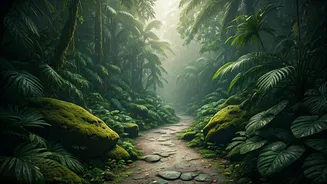
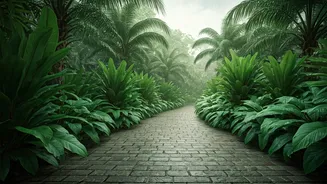
But a post-pandemic recalibration, combined with budget consciousness and a fatigue of overtourism, is changing that equation. Travelers are increasingly realizing that a little rain might be a small price to pay for a more authentic, affordable, and peaceful experience. The industry is even rebranding it. What was once the dreaded “rainy season” is now marketed as the “green season” or “emerald season”—a clever nod to the lush, vibrant landscapes that flourish when the water falls.
The Perks of an Off-Season Drizzle
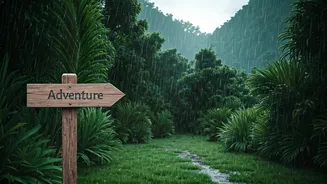
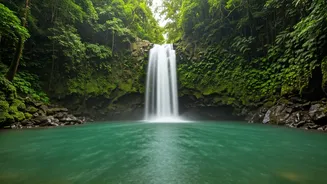
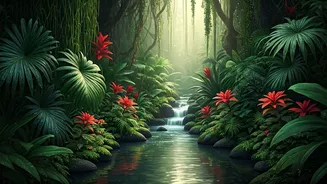
The most immediate benefit is financial. Flights and accommodations can be 20-50% cheaper during the low season. But the appeal goes far beyond the wallet. Fewer tourists mean shorter lines, more space on the beach, and easier-to-get reservations at top restaurants. It also offers a chance to see a destination in a different, often more dramatic light. Waterfalls that are a mere trickle in the dry season become thundering spectacles. Rainforests feel more alive, humming with the sounds of creatures who thrive in the wet conditions. In many tropical destinations, the “rainy season” doesn't mean a week of nonstop downpours. More often, it translates to predictable, intense afternoon showers that you can plan your day around, leaving mornings clear for exploration and evenings cool and refreshed.
Case Study: Costa Rica's Green Season
Costa Rica is a prime example of a country that has successfully championed its green season, which typically runs from May to November. During these months, the country’s famous rainforests are at their most verdant and spectacular. While the Pacific coast might see daily rain, the Caribbean side often experiences less. It’s the best time of year for spotting sea turtles nesting on the coast and for whitewater rafting, as the rivers are full and fast. The afternoon showers become a welcome, cozy ritual—a perfect time for a coffee, a nap, or a visit to a museum before the sun re-emerges for a spectacular, cloud-painted sunset. You get the Pura Vida lifestyle with a fraction of the high-season crowds.
Beyond the Tropics: Embracing the Shoulder
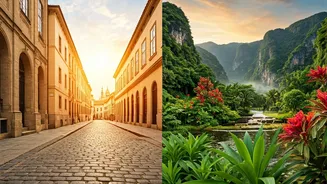
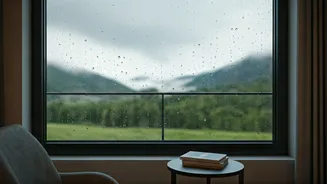
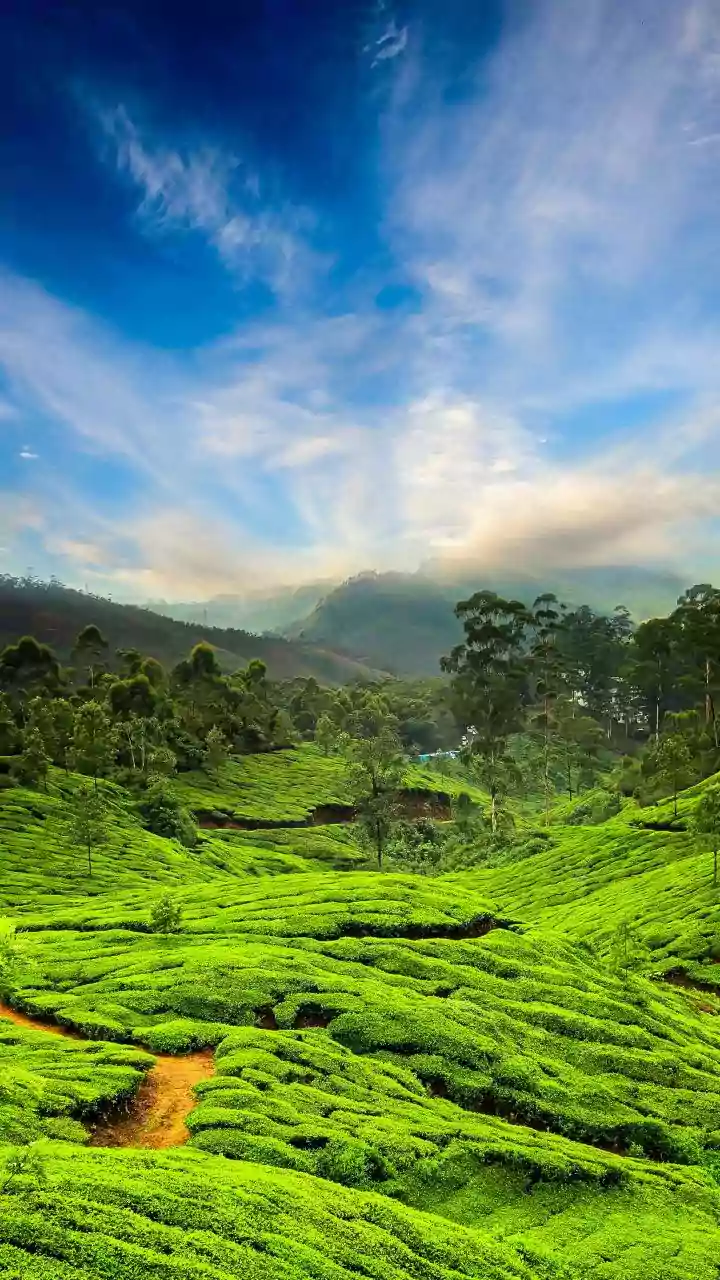
This trend isn’t just for tropical paradises. Think of Europe in the late fall. A misty, moody day exploring the alleyways of Prague or the canals of Amsterdam can be far more atmospheric than a sweaty summer afternoon. In Asia, the monsoon season in countries like Thailand and Vietnam brings impossibly green rice paddies and dramatic, photogenic skies. It’s also when many local festivals, tied to the agricultural calendar, take place, offering a deeper cultural immersion. Even stateside, visiting destinations like the Pacific Northwest during its notoriously damp fall and winter offers its own cozy charm, from storm-watching on the Oregon coast to enjoying Seattle’s vibrant indoor food and coffee scene without the summer tourist rush.
How to Pack for Imperfect Weather
Success on a rainy season trip comes down to preparation. Forget the flimsy poncho and invest in a quality, lightweight, and breathable rain jacket. Quick-dry clothing is your best friend; materials like merino wool or synthetic blends will keep you comfortable even if you get damp. For footwear, leave the canvas sneakers at home. Opt for waterproof hiking shoes or sturdy sandals designed for wet conditions, like Keens or Tevas. A dry bag is a non-negotiable for protecting your phone, camera, and passport during an unexpected downpour. Finally, pack a good attitude. Embrace the weather as part of the adventure. A little rain never hurt anyone, especially when it saves you hundreds of dollars and lets you have a world-class destination almost to yourself.