






First, What Is Panchang?
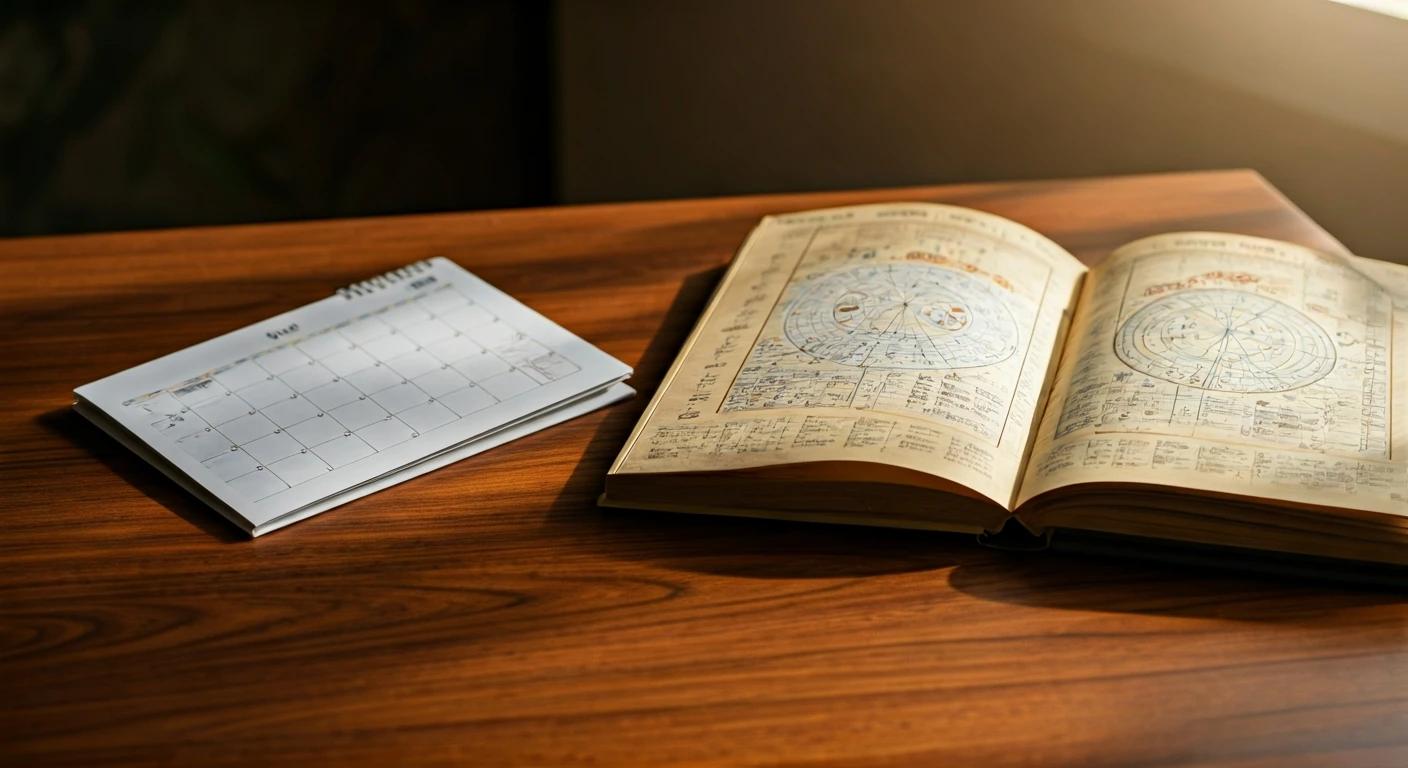
Think of Panchang as the original daily planner, rooted in thousands of years of Hindu astrological tradition. The word itself means “five limbs” (*Vara* (the weekday), *Tithi* (the lunar day), *Nakshatra* (the constellation the moon is in), *Yoga* (an
auspicious or inauspicious period), and *Karana* (half a lunar day). You don’t need to be an expert astrologer to benefit from it. The core idea is simple: different days and times carry different energetic qualities. Some moments are ideal for starting new ventures, while others are better for rest, reflection, or spiritual practice. By understanding these rhythms, you can work *with* the energy of the day, not against it.
Early July: Harness the New Moon
July kicks off with a powerful moment for new beginnings. The New Moon, or *Amavasya*, falls around July 5th. In Vedic tradition, this is a time of quiet and reset. The sky is dark, and the energy is turned inward. Instead of launching a massive project on this day, consider it a personal planning session. It's the perfect time for journaling, meditating, and setting clear intentions for the lunar month ahead. What do you want to achieve by the next Full Moon? Use the quiet energy of Amavasya to plant the mental and spiritual seeds for what you want to grow. Activities like cleaning your space, finishing old tasks, and honoring ancestors are also favored.
Mid-July: Sun's Shift and a Time for Introspection
A significant solar event, *Karka Sankranti*, occurs around July 16th. This marks the sun’s entry into the zodiac sign of Cancer (Karka) and the beginning of *Dakshinayana*, the sun's six-month journey southward. Traditionally, this period is considered more favorable for introspection, spiritual growth, maintenance, and internal work rather than for launching major external projects like a new business or a wedding. Think of it as a cosmic signal to slow down the outward push and focus on strengthening your foundations. It's an excellent time to re-evaluate goals, deepen your spiritual practice, or focus on personal development. Use this mid-month shift to check in with yourself and ensure your actions align with your deeper purpose.
Mark Your Calendar: The Power of Ekadashi
Twice a month, about eleven days after the new and full moons, comes *Ekadashi*. These are highly auspicious days in the Panchang, considered ideal for spiritual activities. For July, these fall approximately around July 2nd and July 17th. On these days, the cosmic energy is believed to be especially conducive to prayer, meditation, and fasting. You don’t have to undertake a strict fast to benefit. Simply eating lighter, plant-based meals can help you feel more clear-headed and spiritually connected. Use these days to unplug from distractions, read an inspiring book, or spend time in nature. Think of them as built-in monthly detox days for both body and mind.
Late July: Celebrate the Guru Purnima Full Moon
The month culminates with one of the most significant full moons of the year: *Guru Purnima*, around July 20th or 21st. This is a day dedicated to honoring our teachers, mentors, and guides—both spiritual and secular. The “guru” can be a formal teacher, a parent, a boss, or even an author whose work has profoundly influenced you. The full moon represents illumination and peak energy, making it a perfect time to express gratitude. Plan to reach out to someone who has guided you with a thank-you note or a call. It’s also a powerful time for self-reflection on the lessons you’ve learned and for committing to your own growth and learning. The bright, expansive energy of the full moon supports celebration, creativity, and harvesting the results of the intentions you set during the new moon.