

From Formal Parlor to Personal Haven
For generations, the design of many affluent and middle-class Indian homes followed an unwritten rule: the main living area, or drawing room, was a formal stage for guests. It was less a space for living and more a curated display of prosperity. Think
plastic-covered sofas, pristine furniture sets that were never sat on, and a general air of a museum exhibit dedicated to “good taste.” The primary function was to impress. Personal comfort and family life were often relegated to smaller, private rooms. This approach prioritized an outward-facing persona, where the home was an extension of one's social standing. The objects within it were chosen not for their personal meaning but for the message they sent to the outside world. This created a disconnect between the family that lived there and the space they presented, resulting in homes that felt beautiful but emotionally sterile.
The New Era of Storytelling
The shift we're seeing now is a direct rejection of that formality. Today’s trend is about crafting a home that tells the unique story of its inhabitants. It’s an embrace of what designers call “emotional design,” where every object, color, and texture is chosen because it resonates personally. This isn’t about following a prescriptive style like minimalism or mid-century modern; it’s about creating a bespoke collage of one’s own life.
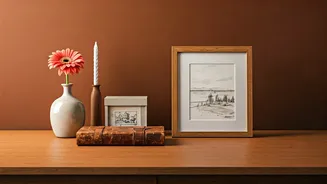
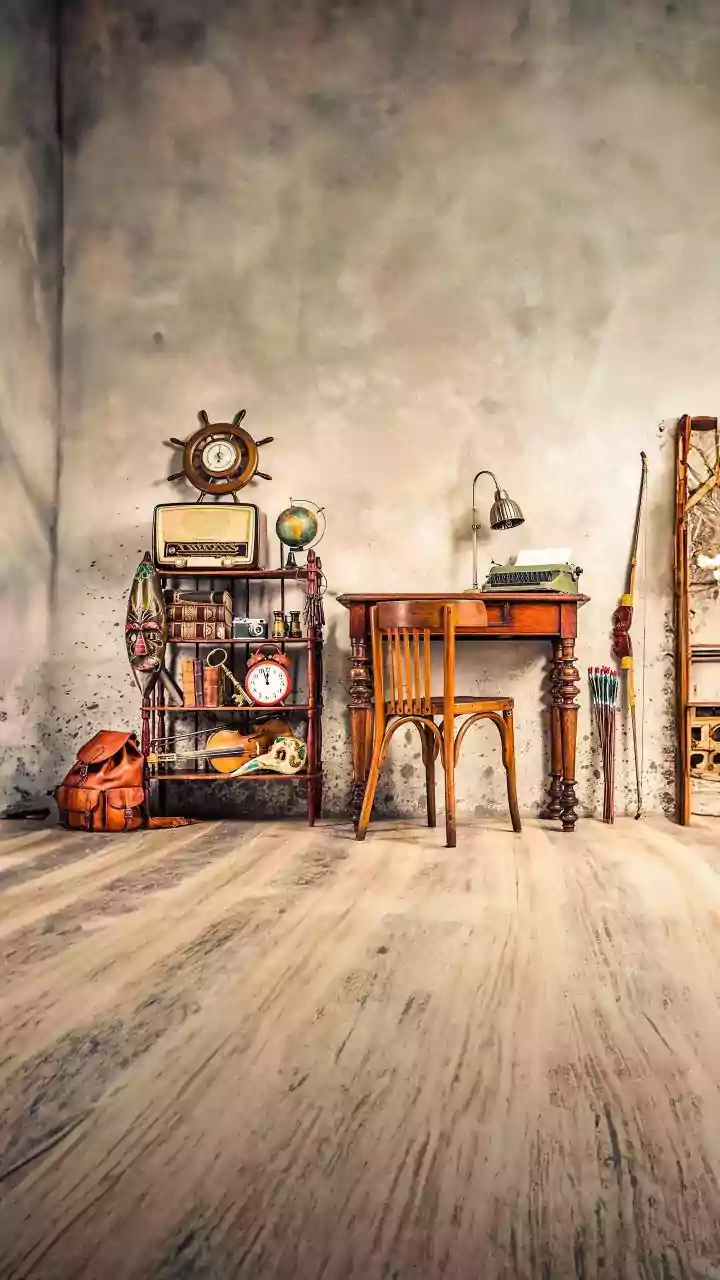
This new interior landscape is layered and rich. An inherited brass lamp might sit next to a contemporary piece of art bought on a whim. A gallery wall might mix a child’s first drawing with old family photographs and a quirky print found at a local market. It’s a move towards a more-is-more philosophy—not of clutter, but of meaning. The goal is no longer to present a flawless image but to build a comfortable, authentic nest that reflects a life fully lived, complete with its beautiful imperfections.
Why Now? Culture, Confidence, and Curation
Several factors are driving this change. First, a new generation of Indian homeowners, often well-traveled and digitally savvy, is more focused on individualism and self-expression than previous generations. They’ve seen global trends on Pinterest and Instagram but are filtering them through a uniquely Indian lens, leading to a confident fusion of global and local.
Second, there’s a renewed pride in Indian craftsmanship and heritage. Instead of importing Italian furniture, people are seeking out locally sourced textiles, handcrafted wooden pieces, and repurposed architectural elements like old doors or window frames. It's a celebration of “Made in India” that is both patriotic and deeply aesthetic. Finally, the pandemic played a significant role. Forced to spend unprecedented time at home, people began to see their spaces not as backdrops for entertaining but as functional, comforting sanctuaries. The home had to work for the people living inside it, 24/7, prompting a deep re-evaluation of what makes a space truly feel like home.
The Look and Feel of Personal Design
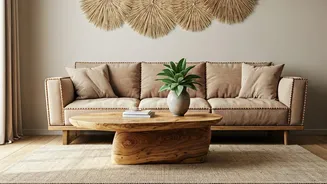
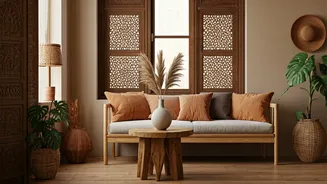
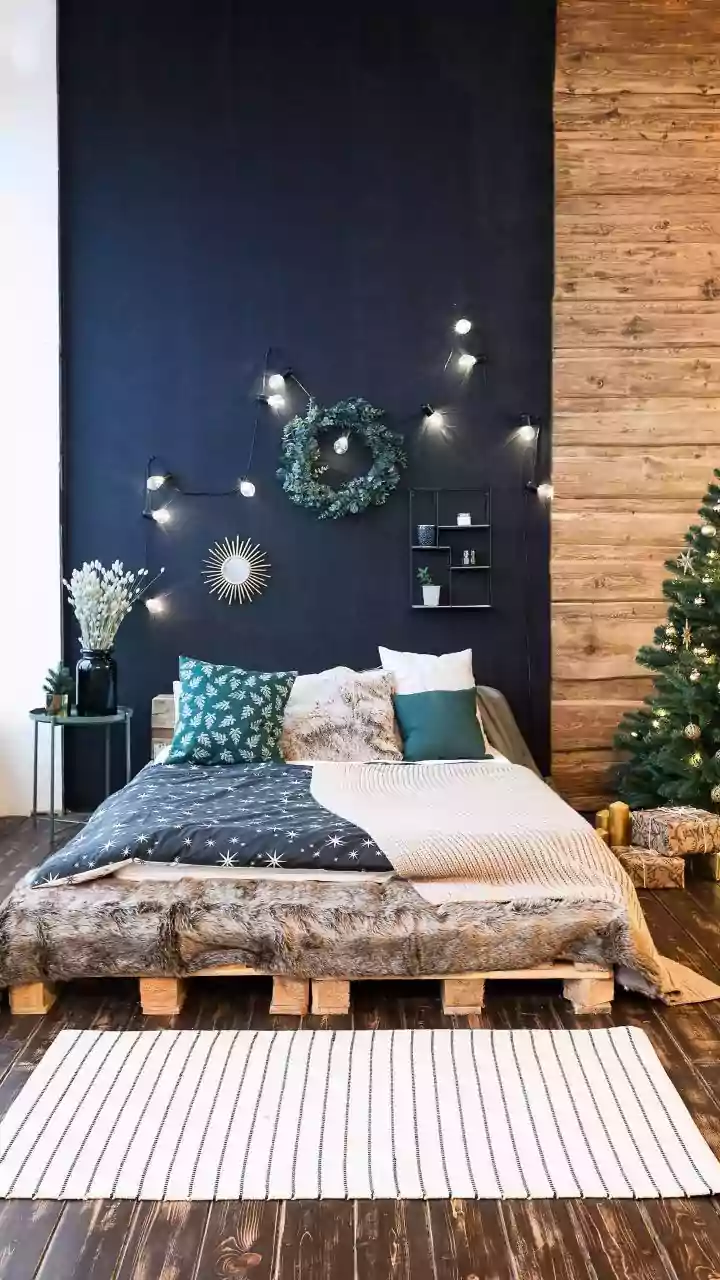
In practice, this trend manifests as a vibrant, soulful maximalism. It’s about texture and warmth. Think rooms filled with books, plants, and textiles—hand-blocked cottons, rich velvets, and soft silks. Heirlooms are no longer hidden away in trunks but are proudly displayed and integrated into daily life. Furniture is chosen for comfort and character, not as part of a matching set. Color palettes are often bold and unconventional, reflecting the owner’s personality rather than a fleeting trend.
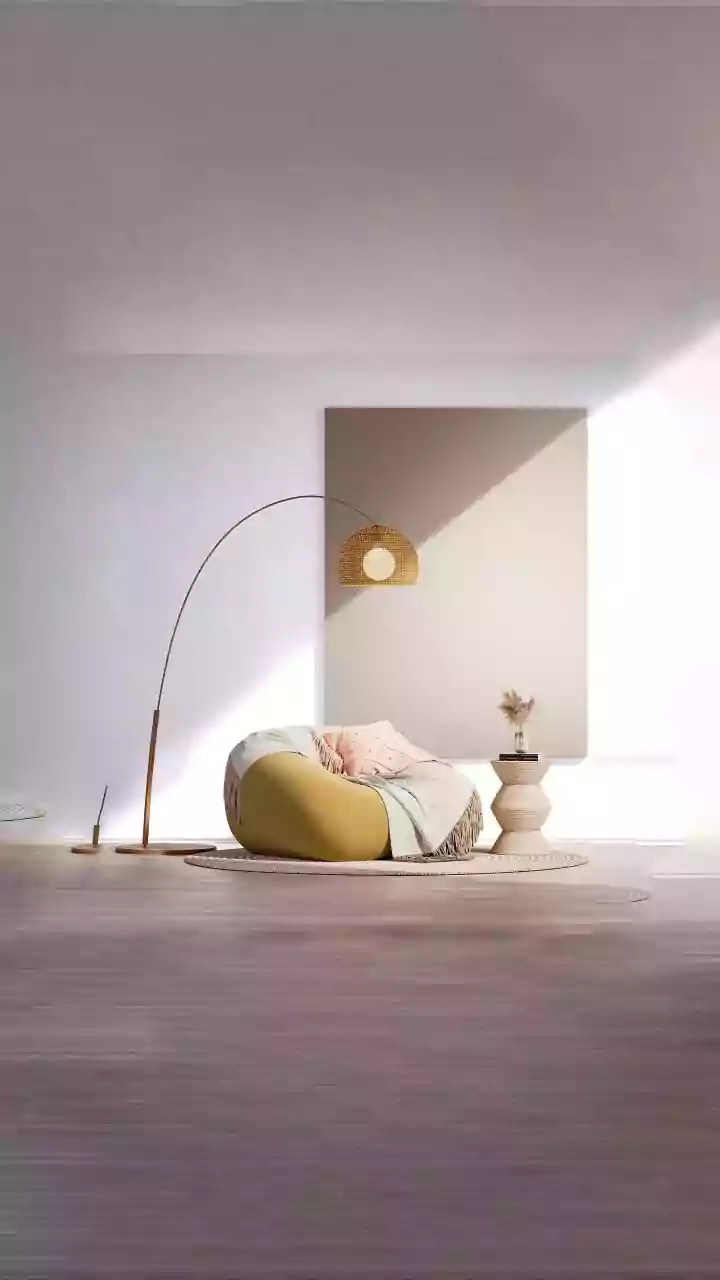
Spaces are also being designed around personal passions. A corner once reserved for a formal vase might now hold a dedicated reading nook with a comfortable chair. A wall might be sacrificed for a home art studio or a yoga corner. The home is becoming a more accurate reflection of the owner's inner world, hobbies, and history, making each one a truly one-of-a-kind creation.