



The Secret of the Rain Shadow
Welcome to Spiti Valley, a remote, high-altitude region tucked away in the Indian Himalayas. While most of India welcomes the monsoon rains from June to September, Spiti remains defiantly dry. It’s not magic; it’s geography. The towering Himalayan peaks
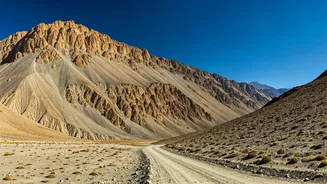
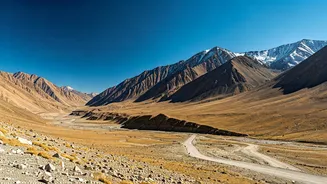
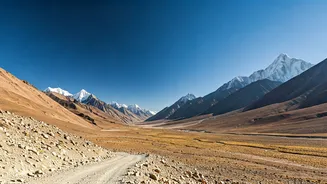
create a “rain shadow,” acting as a colossal barrier that blocks moisture-laden clouds from reaching the valley. The result is a cold desert, a stark and stunning landscape of barren mountains, deep gorges, and impossibly blue skies. For travelers seeking sunshine and clear vistas, Spiti in June isn't just an option—it’s a weather-proof sanctuary. The very forces that make other destinations a gamble make Spiti a guarantee for clear, crisp days perfect for exploration.
A World of Stark, Lunar Beauty
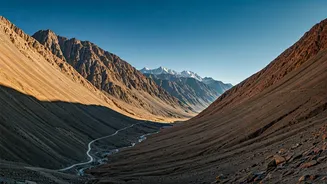
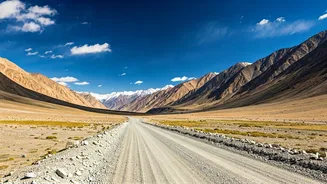
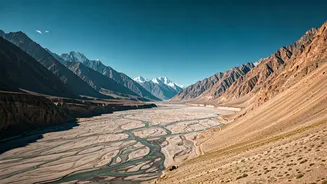
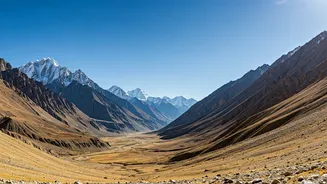
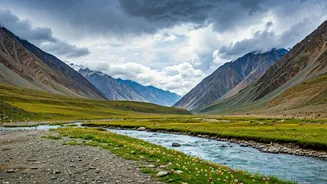
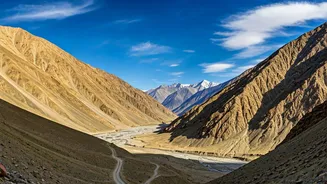
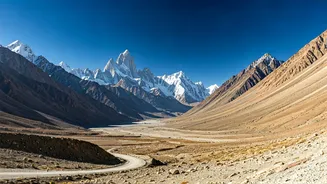
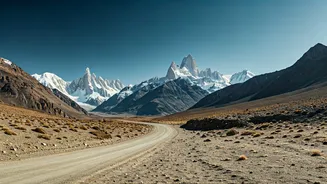
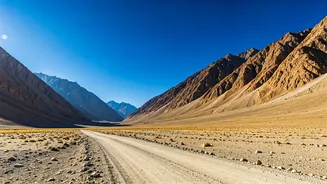
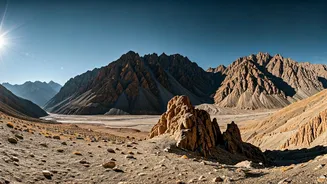
Forget lush, green hillsides. A journey into Spiti is like stepping onto another planet. The landscape is a breathtaking canvas of muted browns, ochres, and grays, carved by wind and time. The Spiti River, a ribbon of turquoise, cuts through the valley floor, providing a brilliant contrast to the arid surroundings. This is not a place of gentle beauty; it’s raw, powerful, and immense. Snow-capped peaks loom in the distance, while ancient glaciers cling to their slopes. The air is thin and crisp, and the silence is profound, broken only by the wind or the distant chime of a monastery bell. It’s an environment that makes you feel small in the best possible way, inviting introspection and a deep connection with nature in its most elemental form.
Ancient Monasteries and High-Altitude Life
Spiti’s isolation has preserved a unique culture that feels like a window into old-world Tibet. The valley is dotted with some of the world’s oldest and most spectacular Buddhist monasteries. The most famous is Key (or Ki) Gompa, a surreal, fort-like structure that seems to grow organically from a conical hill, housing a community of monks and a priceless collection of ancient murals. Nearby, the Tabo Monastery, a UNESCO World Heritage site, is a sprawling, low-slung complex of mud-brick temples known as the “Ajanta of the Himalayas” for its stunning, well-preserved frescoes. Visiting these spiritual centers offers a peaceful counterpoint to the rugged landscape, where you can observe daily rituals, chat with friendly monks, and feel the weight of a thousand years of faith.
Must-See Highlights in the High Desert
Beyond the major monasteries, Spiti is a place of incredible superlatives and simple wonders. You can send a postcard from the world’s highest post office in the village of Hikkim (elevation: 14,567 feet). You can visit Komic, one of the highest villages in the world connected by a motorable road, and share a cup of butter tea with locals. The village of Langza is instantly recognizable for its giant, golden Buddha statue overlooking the valley, with million-year-old marine fossils often found scattered in the nearby hills—a reminder that this high desert was once an ocean floor. Another highlight is Dhankar Monastery, precariously perched on a 1,000-foot spur of rock, offering dizzying views of the confluence of the Spiti and Pin Rivers.
The Journey Is the Destination
Getting to Spiti is an adventure in itself, and not for the faint of heart. There are two main routes. The most popular in summer is from Manali, a journey that crosses the high-altitude Rohtang and Kunzum passes. This route is dramatic, challenging, and only open from late May or early June through October. The alternative is the longer, more gradual road from Shimla, which follows the Sutlej River before entering Spiti. This route is typically open for more of the year and allows for better acclimatization to the altitude. Whichever you choose, be prepared for rough roads, hairpin bends, and some of the most spectacular road-trip scenery on Earth. A sturdy 4x4 vehicle with an experienced local driver is essential.