




The Rise of Electrolytes
The single biggest shift in hydration advice is the mainstream embrace of electrolytes. While athletes have long known their importance, the average person is now realizing that summer heat and sweat deplete more than just water. Electrolytes are essential
minerals—like sodium, potassium, and magnesium—that help regulate nerve and muscle function, balance blood pressure, and, crucially, move water into your cells for true hydration. Chugging plain water can sometimes flush these minerals out, leading to fatigue, headaches, or muscle cramps even when you think you’re hydrated. Today’s wellness landscape is filled with electrolyte powders, tablets, and pre-mixed drinks that offer a targeted dose without the high sugar content of traditional sports drinks. Look for options that prioritize potassium and magnesium alongside a functional amount of sodium to effectively replenish what you lose on a hot day.
Functional Water Add-Ins
The water bottle itself has become a canvas for personalized wellness. Instead of plain H2O, people are turning to functional add-ins that promise benefits beyond simple hydration. One of the most visible trends is liquid chlorophyll, the pigment that makes plants green. Proponents claim it can help with detoxification and skin health, and it certainly turns your water a vibrant, Instagram-friendly shade. Another popular category is trace mineral drops, designed to re-mineralize filtered or purified water, adding back elements that are often stripped out during processing. While the science on some of these benefits is still emerging, the core idea is sound: enhancing water to make every sip work a little harder for your body. It represents a move toward proactive, customized health maintenance.
Healthier Sodas and Seltzers
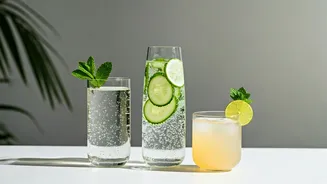
The craving for a cold, fizzy drink in the summer is universal, but consumers are increasingly wary of the sugar and artificial ingredients in traditional sodas. This has fueled the explosion of “functional” and “healthy-ish” carbonated beverages. Brands are now offering sodas infused with prebiotics to support gut health, seltzers blended with adaptogens like ashwagandha to help manage stress, and bubbly drinks flavored with real fruit juice and botanicals instead of corn syrup. These options satisfy the psychological desire for a refreshing treat while delivering a small wellness boost. They’re not a replacement for water, but they serve as a smarter indulgence, allowing people to enjoy a carbonated kick without derailing their health goals.
The Power of Herbal Iced Teas
Before the modern wellness boom, there was tea. Now, this ancient beverage is being rediscovered as a premier summer hydrator. Unlike caffeinated black or green teas, which can have a mild diuretic effect, herbal infusions made from plants like hibiscus, mint, rooibos, and chamomile are naturally caffeine-free and hydrating. Many also come with their own subtle benefits. Hibiscus tea is packed with antioxidants and has a tart, cranberry-like flavor that’s incredibly refreshing over ice. Peppermint is known for its cooling properties, making it feel like internal air conditioning on a sweltering afternoon. Brewing a large pitcher of herbal iced tea is an easy, affordable, and sugar-free way to stay hydrated while enjoying complex, natural flavors.
Remember to Eat Your Water
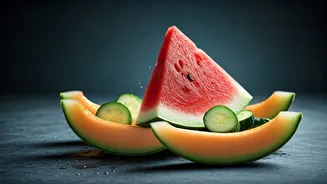
Perhaps the most holistic evolution in wellness thinking is the recognition that hydration doesn't just come from a bottle. Many summer fruits and vegetables have incredibly high water content, and they come packaged with the fiber, vitamins, and minerals that help your body absorb that fluid effectively. Watermelon is the quintessential example, clocking in at about 92% water, but don’t overlook cucumbers, celery, strawberries, and bell peppers. Incorporating these water-rich foods into your meals and snacks is a natural and delicious way to contribute to your overall hydration status. A salad isn’t just lunch; it’s a hydrating powerhouse. This approach integrates wellness into your entire diet, moving it beyond a single-minded focus on liquid intake.