





Why Give Your Garden a Trim?
It can feel wrong to cut back a plant that’s growing vigorously, but this strategic trim—often called the “Chelsea Chop” by seasoned gardeners—is one of the best things you can do for many summer- and fall-blooming perennials. The primary goal is to prevent
the dreaded mid-summer flop, where tall stems, weighed down by rain and their own flowers, collapse into a messy heap. By trimming plants back now, you encourage them to produce sturdier, more compact side shoots, resulting in a fuller, stronger plant that can support its own blooms. As a bonus, this technique can delay flowering on some plants, helping you stagger bloom times and extend your garden’s floral display. You’re not just controlling height; you're creating a more resilient and longer-lasting show.
The Simple ‘How-To’ of the June Haircut
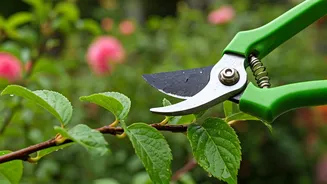
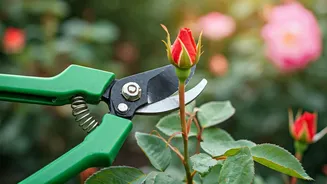
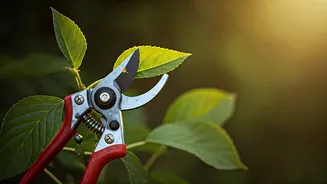
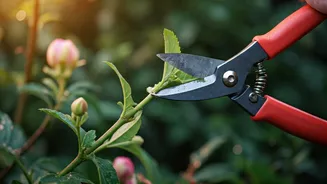
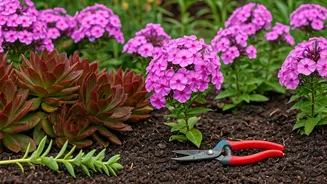
This isn’t complex surgery; it’s a simple trim. All you need is a clean, sharp pair of pruners or garden shears. The general rule is to cut the plant back by about one-third to one-half. Don’t be timid. For clump-forming perennials, you have a few options. You can give the entire plant a uniform flat-top cut for a tidy, shrub-like appearance. Alternatively, you can be more selective, trimming only the front stems to be shorter, which creates a tiered effect and allows you to see the taller flowers at the back. When you make your cut, snip just above a set of leaves. This encourages the plant to branch out from that point, creating multiple new stems where there was once only one. After trimming, give the plants a good watering to help them recover from the shock and kick-start their new growth.
Prime Candidates for a June Prune
Not every plant benefits from this treatment, but many beloved garden staples do. This technique works best on late-summer and fall-blooming perennials that tend to get tall and floppy. Here are some of the most common candidates you might have in your yard: * **Phlox:** Garden phlox is notorious for getting leggy and developing powdery mildew on its lower leaves. A June haircut promotes better air circulation and stronger stems. * **Bee Balm (Monarda):** Trimming bee balm helps control its aggressive spread and encourages a bushier, less gangly habit. * **Asters & Chrysanthemums:** For a spectacular autumn display, giving these fall bloomers a haircut now will result in dense, mound-like plants covered in flowers, rather than a few sparse stems. * **Catmint (Nepeta):** After its first big flush of flowers, catmint can look messy. Shearing it back by half will prompt a tidy flush of new gray-green foliage and a second round of blooms. * **Autumn Joy Sedum (Hylotelephium):** Left to its own devices, this sedum can get top-heavy and split open in the center. A chop in June keeps the clump tight and upright. * **Helenium & Rudbeckia:** These tall, sun-loving flowers respond beautifully to a trim, producing more manageable and flower-covered plants.
Plants to Leave Alone (For Now)
Just as important as knowing what to cut is knowing what *not* to cut. Applying this technique to the wrong plant can eliminate its flowers for the entire year. As a general rule, avoid giving a June haircut to any plant that blooms only once in late spring or early summer. These plants have already formed their flower buds for the season, and cutting them now would mean cutting off the show. Hold your pruners when it comes to: * **Spring-blooming shrubs:** Lilacs, forsythia, and rhododendrons should only be pruned right after they finish flowering. * **Peonies & Irises:** These classic flowers bloom on the stems they grew in spring. Once they're done, they're done. Clean up foliage as needed, but don’t chop them back hoping for more flowers. * **Plants that bloom on old wood:** This category includes some types of hydrangeas (like Oakleaf and some Macrophylla varieties). Pruning them now removes next year's blooms. * **Daylilies & Hostas:** While you can deadhead daylilies (remove spent flowers), their overall structure doesn’t benefit from a hard chop.