





Backlash Against the ‘New’
For years, the wellness industry has been defined by a relentless pursuit of the new: futuristic supplements, lab-engineered protein powders, and bio-hacked meal replacements. But a growing fatigue with overly processed, hyper-marketed products is driving
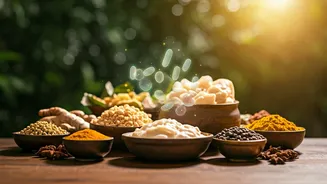
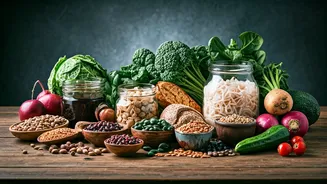
a powerful counter-movement. Instead of looking forward, health-conscious Americans are looking back—way back. This “wellness throwback” is about rediscovering foods that have sustained civilizations for millennia. It’s a shift from innovation to intuition, prioritizing foods that are simple, nutrient-dense, and time-tested. Millets and ferments are the poster children for this return to culinary roots, offering a comforting and effective alternative to the complex world of modern nutrition.
Meet Millet: The Resilient Grain
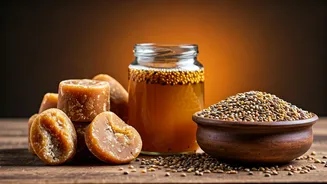
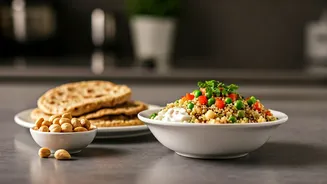
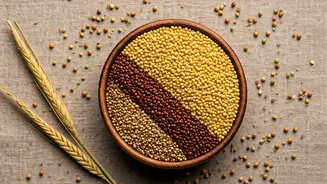
If you’ve only ever seen millet in birdseed mixes, you’re missing out on one of the world's most versatile and ancient grains. Millet isn’t a single grain, but a group of small-seeded grasses that have been a staple in Asia and Africa for over 7,000 years. So why the sudden comeback in American kitchens? First, it’s a nutritional powerhouse. Millet is naturally gluten-free, making it a great alternative for those with sensitivities. It’s also packed with fiber, protein, and essential minerals like magnesium and phosphorus. Unlike many modern crops, millet is incredibly resilient, capable of growing in arid conditions with little water. This sustainability angle appeals to environmentally-conscious consumers. In the kitchen, its mild, slightly nutty flavor makes it a perfect canvas. Use it like you would quinoa in salads, cook it into a creamy porridge, or even pop it like corn for a crunchy snack. It's the dependable, humble grain that’s finally getting the respect it deserves.
The Fermentation Fascination
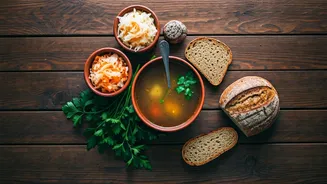
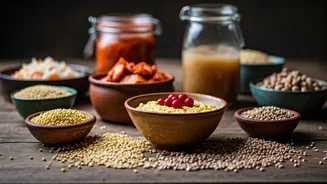
If millet is the quiet workhorse, ferments are the vibrant, funky rockstars of the wellness world. Fermentation is an ancient preservation technique that uses microorganisms like bacteria and yeast to transform food. This process doesn't just make food last longer; it makes it more nutritious and creates incredible flavors. The biggest wellness win is gut health. Fermented foods like kimchi, sauerkraut, kefir, and kombucha are loaded with probiotics—live beneficial bacteria that support a healthy digestive system. A happy gut is linked to everything from improved immunity and mood to better nutrient absorption. While kombucha has been a trendy café staple for a while, the movement is now broadening to include a wider array of foods. Think tangy sourdough bread made with a live starter, savory miso paste for soups and marinades, and even the humble pickle (the real, refrigerated kind). It's a way to add a dose of living food to your plate, turning every meal into an opportunity to support your microbiome.
How to Join the Throwback
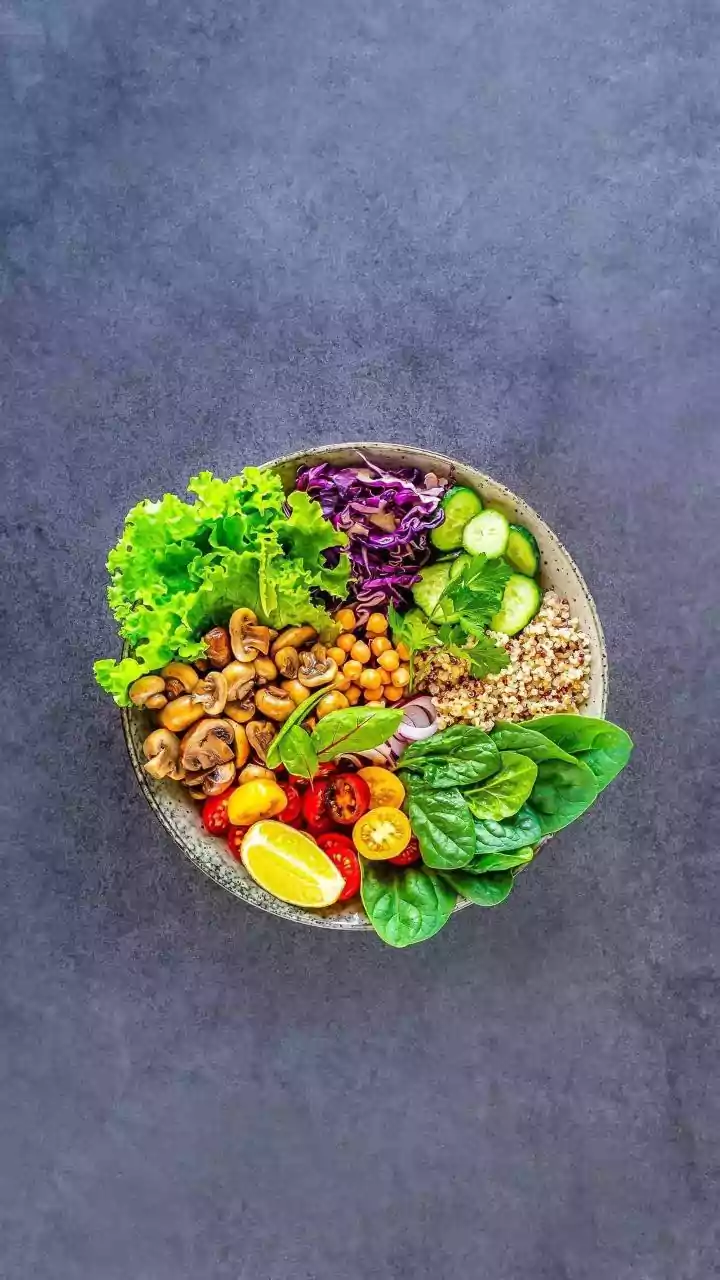
Embracing this trend doesn’t require a pantry overhaul or a degree in microbiology. It’s about making simple, intentional swaps. Instead of your usual rice or pasta, try cooking up a pot of millet. Its fluffy texture works beautifully as a side dish or the base for a grain bowl. Start your ferment journey with something familiar. If you love yogurt, try kefir, its tangier, more probiotic-rich cousin. A spoonful of kimchi on your morning eggs or in a stir-fry adds a punch of flavor and a dose of gut-friendly bacteria. When buying bread, look for authentic sourdough from a local bakery. The key is to start small and pay attention to how you feel. These aren't magic bullets, but foundational foods that can bring a sense of balance and connection back to the way we eat.