



A Stage Unlike Any Other
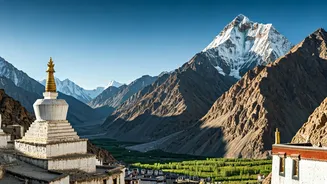
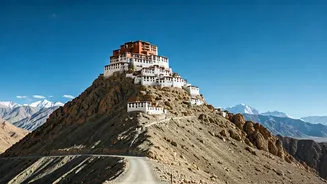
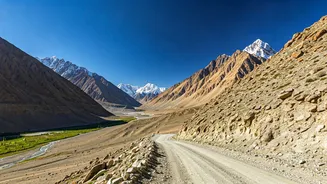
The primary reason for Sindhu Darshan's reputation lies in its unparalleled location. The festival unfolds in Leh, the capital of Ladakh, a high-altitude desert region often called “Little Tibet.” Situated at over 11,000 feet, the air is crisp and the light
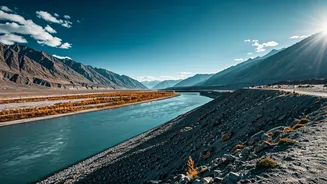
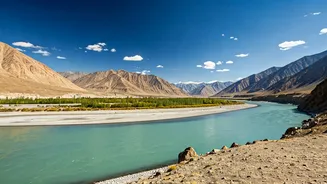
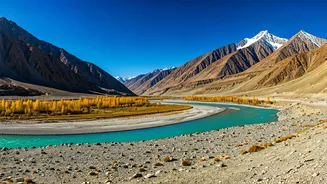
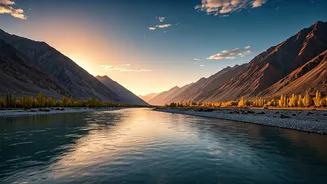
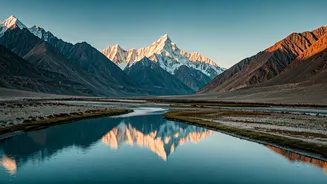
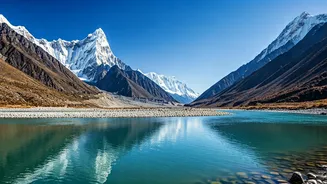
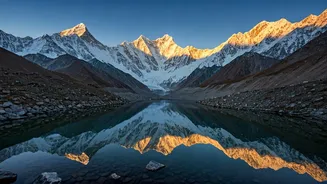
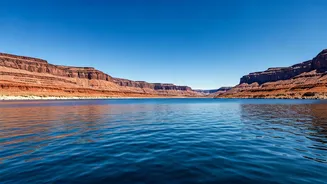
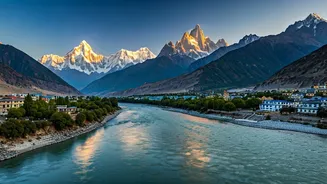
has a piercing clarity you won’t find at sea level. The backdrop isn’t just pretty; it's sublime. Jagged, snow-dusted Himalayan peaks pierce a brilliant blue sky, framing a valley of dramatic, barren mountainsides in shades of ochre and gray. There are no sprawling forests or gentle rolling hills here. Instead, the landscape’s raw, majestic power creates a natural amphitheater that makes any human activity within it feel both small and profoundly significant. The sheer scale and starkness of the environment provide a dramatic canvas that elevates the festival from a simple gathering to a truly epic spectacle.
The Sacred River at its Heart
The festival's name itself reveals its spiritual core. “Sindhu” is the ancient Sanskrit name for the Indus River, one of the longest and most historically significant rivers in Asia. “Darshan” is a Sanskrit term meaning “vision” or “glimpse,” often in a holy context, like seeing a deity. Therefore, the Sindhu Darshan is literally a pilgrimage to see and honor the Indus River. For millennia, the Indus has been a cradle of civilization and is revered in ancient Hindu texts. The festival treats the river not just as a body of water, but as a living goddess, a source of life in this arid land. Worshippers gather on its banks at Shey Manla, just outside Leh, to perform prayers and offer respects. The sight of the clear, fast-flowing river carving its path through the desolate valley is the central visual and spiritual anchor of the entire event.
Rituals of Reverence and Unity
The rituals of Sindhu Darshan are deeply visual and symbolic, contributing to its picturesque quality. The main ceremony involves pilgrims from all over India bringing water from their own native rivers in clay pots. In a powerful act of unity, they pour this water into the Sindhu, symbolizing the merging of India's diverse cultures into a single national identity. This act of mingling waters is a beautiful metaphor for communal harmony, a core theme of the festival since its modern inception in 1997. Priests lead elaborate prayer ceremonies (pujas) on the riverbank, with chanting, incense, and offerings creating a multisensory spiritual experience. The sight of hundreds of people dressed in traditional attire, lining the banks of this mythic river to pray, is a powerful tableau of faith against the immense Himalayan backdrop.
A Vibrant Tapestry of Culture
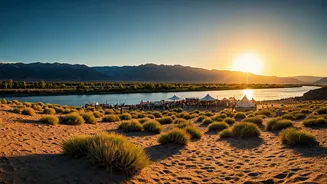
Beyond the spiritual rites, Sindhu Darshan is also a vibrant cultural mela, or fair. The festival grounds come alive with a kaleidoscope of color and sound. Troupes of folk dancers and musicians from various states across India perform on a central stage. You might see the energetic Bhangra from Punjab, the graceful Bharatanatyam from Tamil Nadu, and the colorful folk dances of Ladakh itself, all in one place. This explosion of color—the bright costumes, the swirling fabrics, the elaborate jewelry—stands in brilliant contrast to the muted, earthy tones of the surrounding landscape. This juxtaposition is key to the festival's visual appeal: the raw, stoic beauty of nature meeting the lively, dynamic energy of human culture. It’s a feast for the eyes and ears, celebrating the diversity of India in one of its most remote and stunning corners.