




Beyond Soda and Juice
Welcome to the world of functional beverages, the engine driving the healthy drink craze. This isn't just about swapping a full-sugar soda for a diet one. This is a fundamental shift in what we expect from our drinks. Consumers are increasingly looking
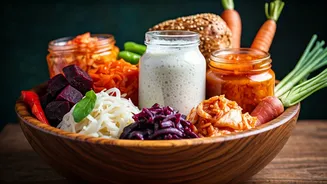
for beverages that *do* something more than just hydrate or caffeinate. They want drinks that promise to improve gut health, boost immunity, sharpen focus, or calm anxiety. The stars of this movement are likely familiar. Kombucha, the fizzy, fermented tea packed with probiotics, went from a niche health-food-store curiosity to a multi-billion-dollar global market. It sits alongside other gut-friendly options like kefir and drinking vinegars. Then there are adaptogenic drinks, infused with herbs and mushrooms like ashwagandha and reishi, marketed to help the body manage stress. Even coffee is getting a functional makeover, with brands adding mushrooms for focus or collagen for skin health.
The Wellness Revolution
So, why now? The boom in these beverages is a direct reflection of a larger cultural pivot from “dieting” to “wellness.” For years, “healthy” drinking meant cutting calories, sugar, or fat. Today, it’s about adding benefits. This proactive approach to health has consumers thinking about ingredients, not just nutrition labels. They’re interested in preventative care they can control, and a daily drink feels like an easy, accessible way to do that. The pandemic accelerated this trend, placing a massive premium on immune support. Suddenly, drinks fortified with Vitamin C, zinc, elderberry, and other immunity-marketed ingredients flew off the shelves. This focus on internal health, particularly gut health—often called the “second brain”—has created a massive runway for products containing probiotics and prebiotics. The idea that you can drink your way to a healthier microbiome is a powerful and highly marketable concept.
An Influencer-Fueled Market
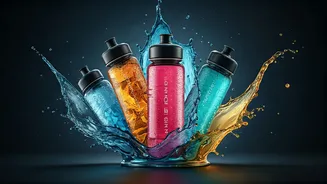
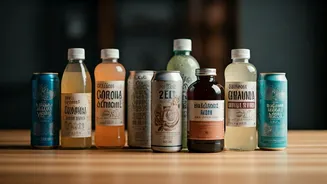
You can't disconnect the healthy drink craze from the rise of the wellness influencer. These beverages are incredibly photogenic. A brightly colored turmeric latte or a row of kombucha bottles makes for a perfect Instagram post, subtly signaling a commitment to a healthy and aesthetically pleasing lifestyle. When followers see someone they admire sipping on a green juice post-workout or winding down with a calming CBD-infused seltzer, it creates a powerful association. Influencers act as educators and translators, breaking down concepts like “adaptogens” or “nootropics” for their audiences. They provide recipes, offer discount codes, and build a community around these products that goes far beyond simple advertising. For new brands, getting their product into the hands of the right influencers can be more effective than a multi-million-dollar ad campaign, creating an air of authenticity and word-of-mouth buzz that money can’t always buy.
Big Business Takes Notice
Where there’s a craze, there’s capital. The functional beverage market is now worth tens of billions of dollars in the U.S. alone, and legacy beverage giants have taken notice. Rather than try to beat the startups, they’re joining them. Coca-Cola acquired kombucha maker Health-Ade and owns Honest Tea. PepsiCo launched a line of functional waters called Driftwell to promote relaxation and sleep, and it bought KeVita, another major kombucha brand. This influx of corporate money is changing the landscape. It’s pushing these once-niche drinks into mainstream supermarkets, gas stations, and convenience stores across the country, making them more accessible than ever. While this can sometimes lead to concerns about formula changes or a loss of a brand’s independent spirit, it’s also the clearest signal that the healthy drink craze is not a fleeting fad, but a permanent and profitable fixture of the American diet.