
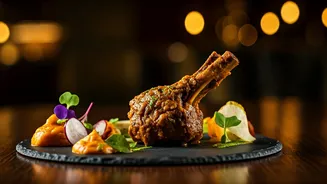


The Myth of 'Indian Food'
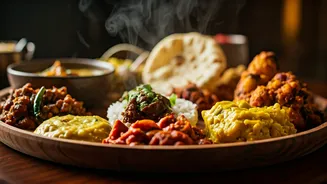
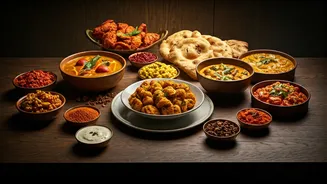
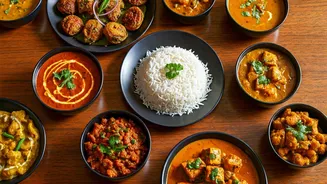
Let’s be honest: when you thought of going out for Indian food, you pictured a specific experience. It likely involved a dimly lit room, velvety chairs, and a menu featuring chicken tikka masala, saag paneer, and garlic naan. This wasn't by accident.
For generations, this North Indian and Punjabi-style cuisine, often softened and sweetened for Western palates, became the default ambassador for a subcontinent of 1.4 billion people. Early Indian immigrants, primarily from Punjab, opened restaurants that served what was familiar and, more importantly, marketable. They created a simplified, homogenous brand of "Indian food" that was easy to sell and digest. It was a successful strategy, introducing millions of Americans to the cuisine. But in doing so, it flattened a culinary landscape more diverse than all of Europe combined.
A Culinary Map Unfurls
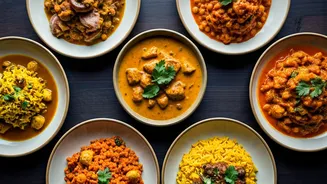
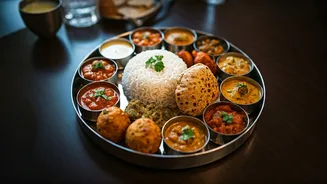
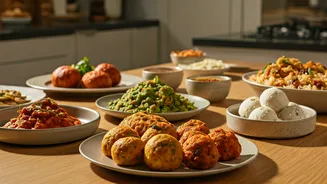
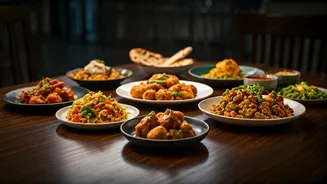
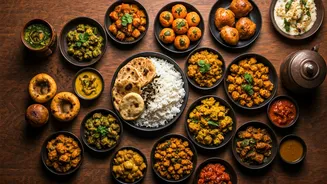
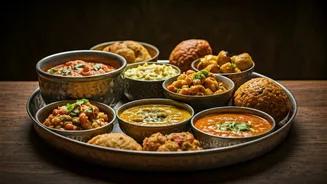
To say you’re eating “Indian food” is like saying you’re eating “European food.” Are you having Norwegian salmon, Italian pasta, or Spanish paella? The same principle applies to India. The country is a tapestry of distinct culinary traditions, each shaped by its own climate, history, and local ingredients. The new wave of chefs is finally putting this map on the plate. In the south, you find the fiery, complex spice of Chettinad chicken from Tamil Nadu, or the coconut-and-tamarind-laced seafood curries of Kerala. Travel to the west coast for Goa's tangy, vinegar-spiked vindaloo (a world away from the punishingly hot British-Indian version) or the subtle, sophisticated vegetarian thalis of Gujarat. Head east, and you'll discover Bengal’s love affair with mustard oil and freshwater fish, or the smoky, fermented flavors of Nagaland in the Northeast. This is the real spectrum—a vibrant, complex, and endlessly fascinating world of flavor that has, until recently, remained largely within home kitchens.
The Unapologetic Generation
At the forefront of this movement are chefs and restaurateurs who are refusing to compromise. Perhaps no one embodies this shift more than Chintan Pandya and Roni Mazumdar of the hospitality group Unapologetic Foods. Their New York City restaurants, like Dhamaka, Semma, and Adda, have become national sensations by celebrating the un-gentrified, hyper-regional dishes of their childhoods. Dhamaka focuses on overlooked village-style cooking from across India. Semma, which earned a coveted Michelin star, is a love letter to the rural South Indian cooking of Chef Vijay Kumar's youth. Their philosophy is simple: this is the food we eat, and we will not change it for you. The resounding success—both critical and commercial—has proven that American diners were not just ready for it; they were starving for it. These chefs aren't just cooking; they're making a powerful statement about cultural pride and authenticity.
Why Now?
This culinary awakening isn't happening in a vacuum. It’s the result of a perfect storm of cultural shifts. First, a new generation of Indian-American chefs and entrepreneurs has come of age. Unlike their predecessors, who may have felt pressure to assimilate, they possess the confidence and cultural capital to present their heritage on their own terms. Second, the diners have changed. Thanks to travel, the internet, and a broader foodie culture, American palates are more adventurous than ever. Diners are no longer just seeking a generic “ethnic” meal; they want a story, a specific point of view, and an authentic experience. They want to know the difference between a dosa and an uttapam. This increased curiosity and knowledge creates a market where a restaurant celebrating the specific cuisine of Kerala isn't just viable, but celebrated.