

Reclaiming the Narrative
For years, South Asian food in the U.S. has been dogged by a reputation for being 'heavy,' 'rich,' or a 'sometimes' indulgence. This perception often stemmed from a focus on restaurant-style dishes—creamy curries and fried bites—that overshadowed the complex,
vegetable-forward, and deeply nutritious reality of everyday home cooking. But a cultural shift is underway. A new generation of Desi Americans is pushing back against this narrative. They are looking past the stereotypes and rediscovering the inherent health benefits woven into the fabric of their culinary heritage. This isn't about stripping away flavor for the sake of 'health'; it’s about embracing it. This is 'flavour forward wellness,' a movement that champions ancient ingredients not just for their taste, but for their functional, healing properties that have been recognized in Ayurvedic traditions for centuries.
The New Power Pantry
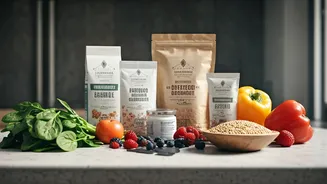
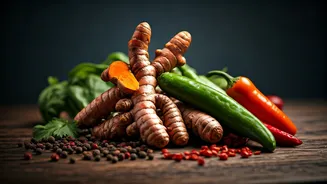
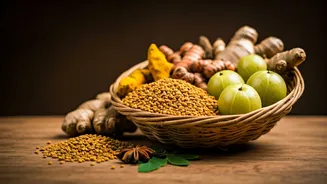
Walk down the spice aisle today, and you’ll see the change. Turmeric is no longer just a background note in a curry powder blend; it’s a star. High-curcumin varieties are sought after for their anti-inflammatory properties, destined for golden milk lattes, smoothies, and even face masks. Ashwagandha, an adaptogenic herb once relegated to specialty Ayurvedic shops, is now appearing in powdered form on mainstream shelves, marketed for its stress-reducing benefits and mixed into everything from coffee to oatmeal. Ghee, or clarified butter, has been fully rehabilitated from its status as a 'fat' to a celebrated, high-smoke-point cooking oil rich in fat-soluble vitamins. Similarly, moringa powder, from the nutrient-dense 'drumstick tree,' is being added to green juices, and amla (Indian gooseberry) is being recognized for its immense Vitamin C content. These aren't new discoveries; they are a re-appreciation of ingredients that were always there, now viewed through a modern wellness lens.
Beyond the Spice Box
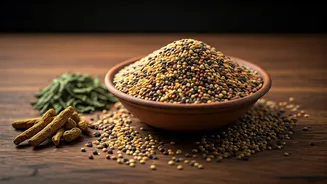
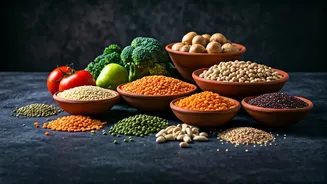
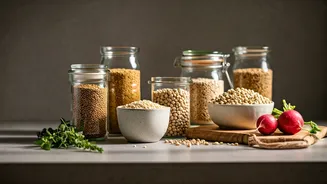
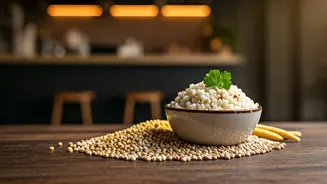
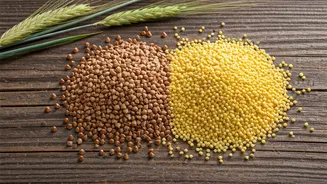
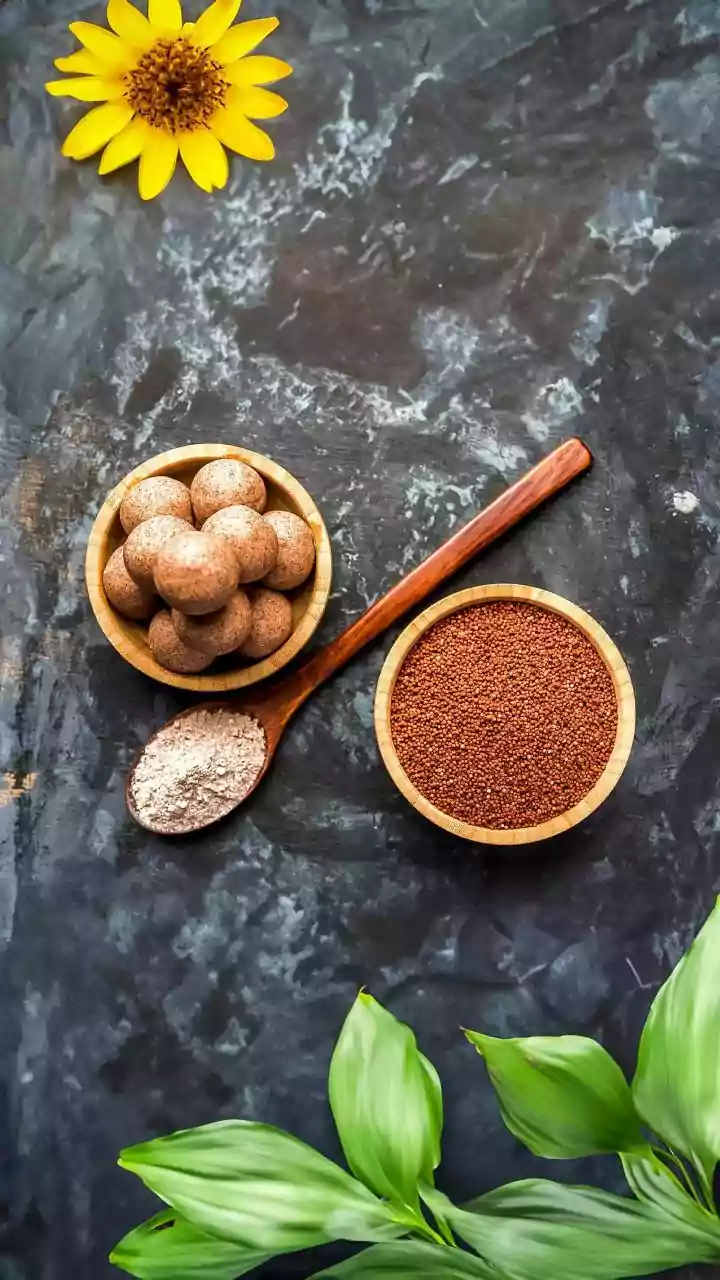
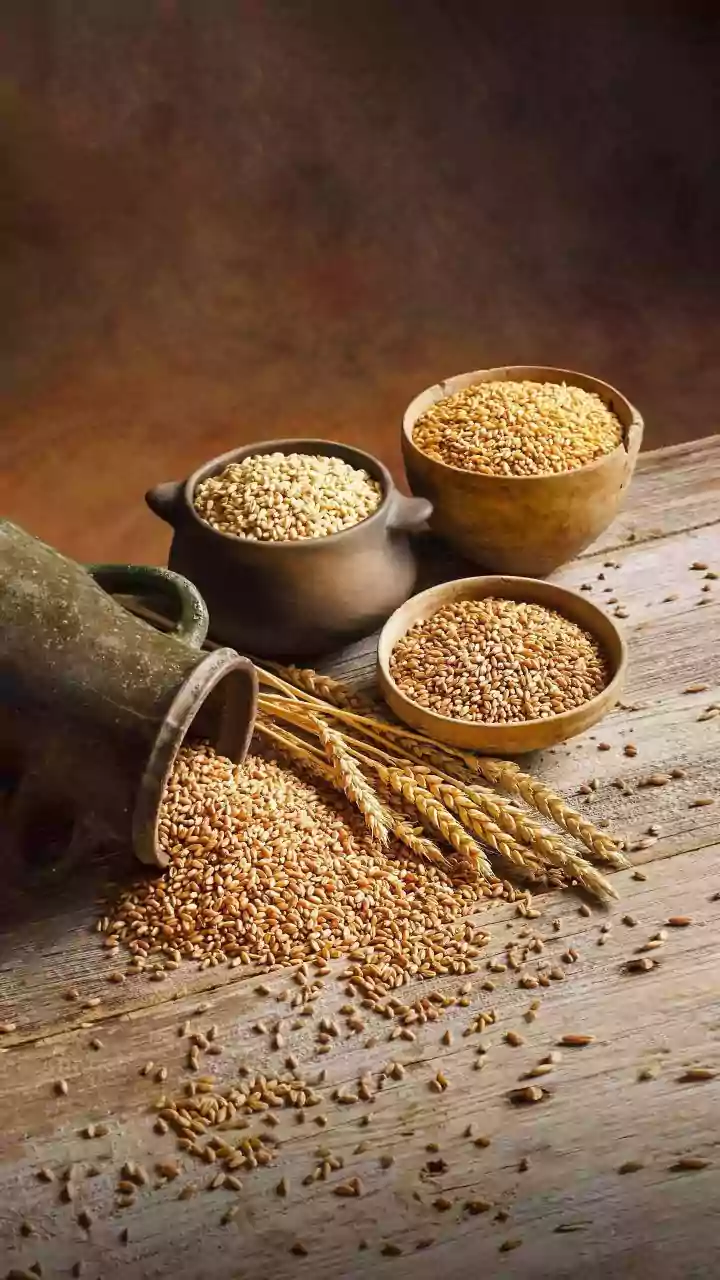
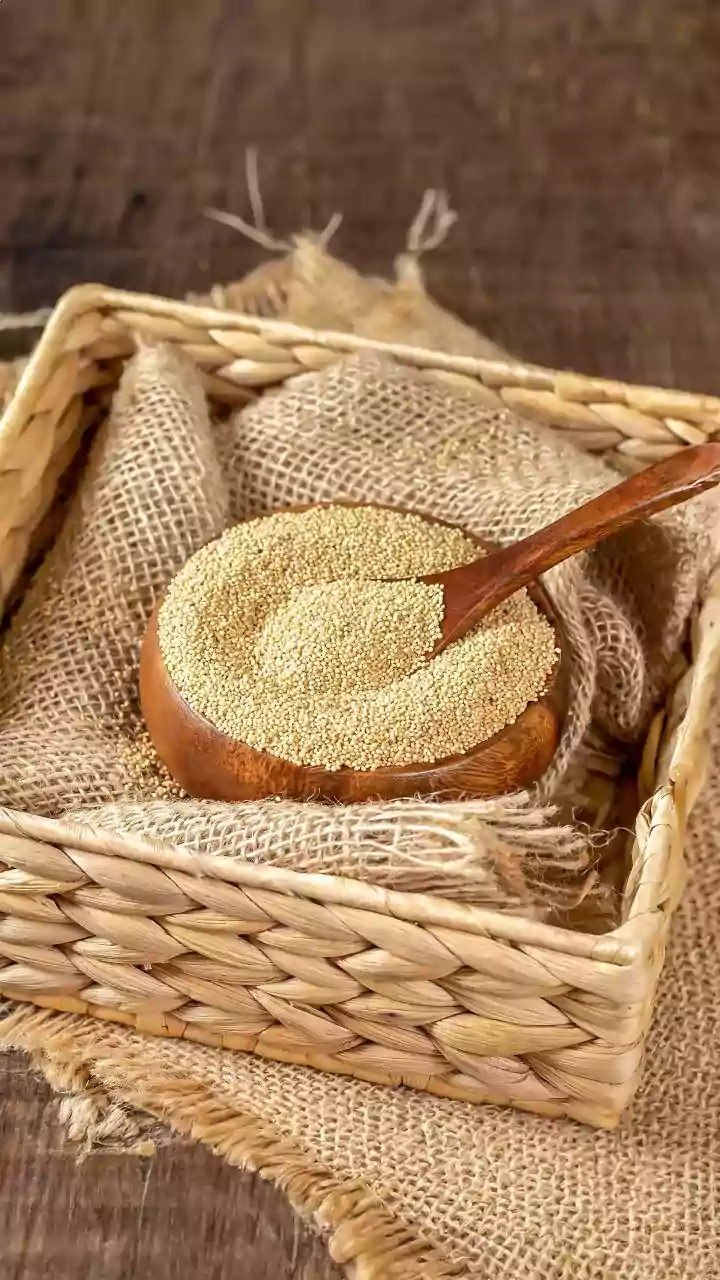
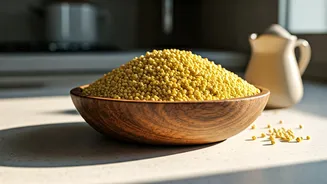
This transformation extends well beyond spices and supplements. The grain aisle is also getting a makeover. While basmati rice and atta (whole wheat flour) remain staples, there’s a growing demand for ancient grains that were once considered rural or old-fashioned. Millets—like ragi (finger millet) and jowar (sorghum)—are making a major comeback. Naturally gluten-free and packed with fiber and protein, these grains are being used to make modern versions of traditional rotis, porridges, and even baked goods. They offer a lower glycemic index than polished white rice and a more complex, nutty flavor. This shift reflects a broader desire for whole, unprocessed foods that connect to a sustainable agricultural past while meeting the nutritional demands of a contemporary, health-conscious lifestyle. It's a move away from refined carbs and toward the hearty, wholesome foundations of the subcontinent's diverse diet.
An Act of Cultural Identity
Ultimately, this trend is about more than just nutrition. It’s an act of cultural reclamation. For many second- and third-generation Desi Americans, embracing these ingredients is a way to connect with their heritage on their own terms. It’s a rejection of the one-size-fits-all, often Eurocentric, wellness industry that has historically ignored or exoticized their foodways. By centering their ancestral ingredients in their modern wellness routines, they are affirming that health and healing have always been a part of their culture. It’s a powerful statement that their grandmother’s kitchen was a pharmacy, and that the path to well-being doesn’t require abandoning tradition, but rather, understanding it more deeply. The changing grocery list is a tangible map of this evolving identity—proudly Desi, unapologetically modern, and holistically well.