



The New Airport Obstacle
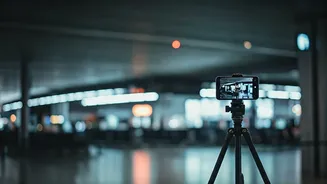
You know the scene. You’re wrestling your carry-on, frantically checking your boarding pass for the fifth time, and trying to locate a functioning charging port. Then, you see it. Someone has propped their phone on a water bottle, set a ten-second timer,
and is now performing a meticulously choreographed dance routine in the middle of the main walkway. They’re not just taking a quick selfie; they’re creating a miniature music video, complete with lip-syncing, dramatic hair flips, and a faux-candid strut toward the Cinnabon. This isn’t just a person documenting their trip. This is a production. And the rest of us, the weary travelers just trying not to miss our connecting flight to Cleveland, have become unwilling obstacles in their quest for viral fame.
Main Character at Gate C-37
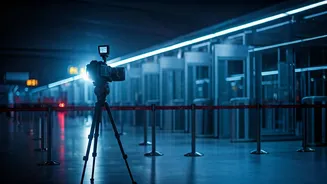
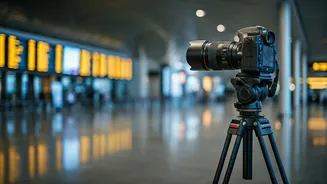
This phenomenon is a masterclass in what the internet has dubbed “main character energy.” It’s the belief that your life is a movie and everyone else is just a supporting cast member. In the airport, this manifests as a complete lack of situational awareness. The terminal, a space designed for the efficient movement of thousands of stressed people, is re-imagined as a personal soundstage. The rolling walkway becomes a cinematic tracking shot. The TSA line transforms into a backdrop for a “get ready with me to fly” montage. While a certain level of self-confidence is admirable, there’s a fine line between living your best life and turning a public utility into your private content studio. When your personal brand building involves blocking access to the boarding lane or nearly tripping a flight attendant with a sudden pirouette, the social contract has been breached.
The Unwilling Cast of Extras
Perhaps the most grating part of the airport content boom is the conscription of hundreds of strangers into service as unpaid background actors. The family trying to wrangle three toddlers, the business traveler on a tense work call, the elderly couple navigating a confusing terminal—they’re all now just blurry figures in the background of a stranger’s TikTok. There’s an inherent tension between the polished, “aspirational travel” aesthetic these videos aim for and the grim reality of modern air travel. The creator is performing a life of effortless glamour, while the people in their shot are just trying to survive the ordeal. It creates a bizarre, two-tiered reality where one person’s content feed is another person’s travel nightmare.
A Security Theater of a Different Kind
Let’s not forget where this is all happening. Airports are among the most heavily monitored and regulated public spaces in the country. Filming yourself doing the latest TikTok challenge just feet away from a TSA checkpoint feels… bold. While it’s not explicitly illegal in most general areas, it adds an unnecessary layer of chaos to a system that already runs on high alert. Airport staff and security personnel are trained to look for unusual behavior. Is a synchronized dance by the baggage claim a threat? No, but it’s a distraction they don’t need. It’s a performance in a “security theater” that has no patience for actual theatrics. The goal in an airport is to be as boring and predictable as possible. These content creators are doing the exact opposite, turning a space of compliance into a stage for defiance.
Is This Just What Travel Is Now?
This trend speaks to a larger shift in how we experience the world. For a growing number of people, a trip isn’t real until it’s been packaged into a shareable video. The journey itself has become secondary to the documentation of the journey. The airport, once a stressful but necessary hurdle, is now the opening scene—a place to establish the #travelvlog aesthetic. It’s no longer enough to *go* somewhere; you must be seen *performing* the act of going somewhere. This performative travel changes the dynamic for everyone, turning shared public spaces into contested territory between those who are living an experience and those who are producing one.