

The Burnout From the Bucket List
For decades, the classic American vacation was a frantic exercise in logistics. It was about maximizing sightseeing, ticking off landmarks from a pre-printed list, and capturing proof for the photo album. Paris in two days, Rome in one, with a high-speed
train ride in between. The goal was breadth, not depth. You ‘did’ a city rather than experienced it. This travel philosophy mirrored a broader cultural obsession with productivity and efficiency, where even our leisure time had to be optimized. The result? A trip that felt more like a work project, complete with tight deadlines, crowded queues, and a lingering sense of jet-lagged exhaustion upon return. It was a vacation built on a checklist, and for many, the satisfaction was fleeting, overshadowed by the stress of the sprint.
A Search for Slower, Deeper Connection
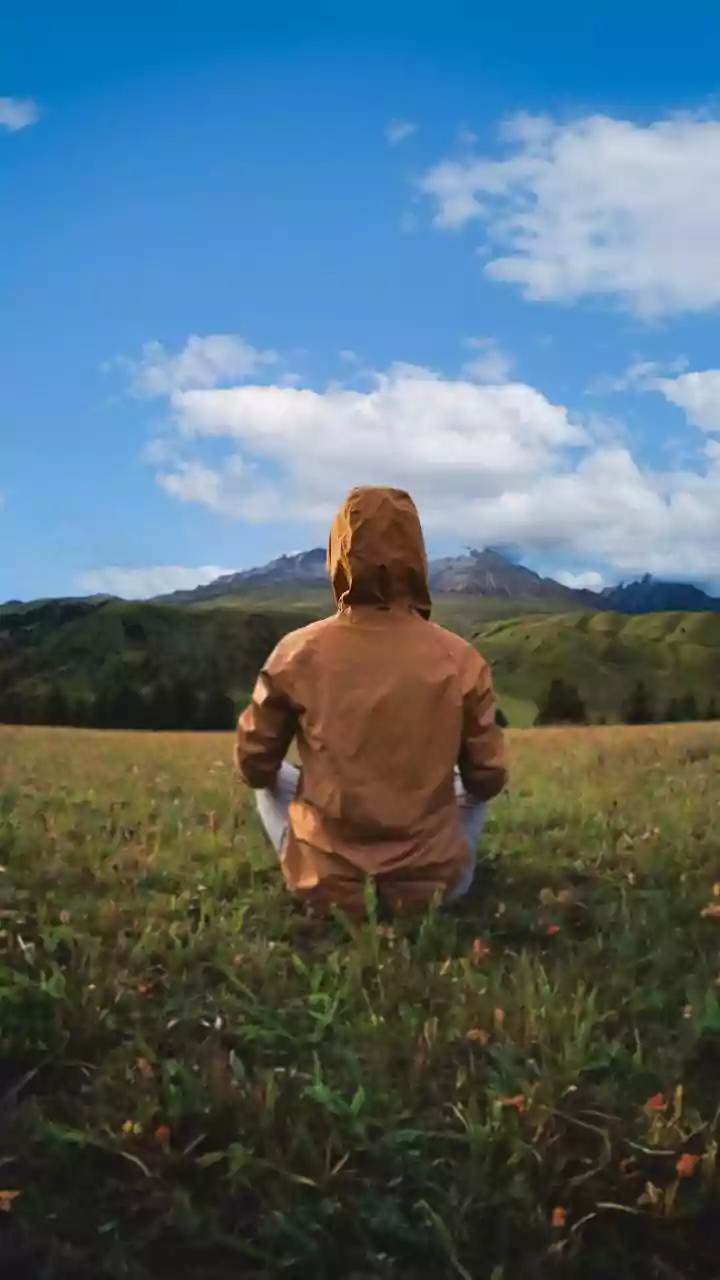
The pendulum is swinging back. In the wake of global disruptions that forced everyone to slow down, a new travel ethos has gained powerful momentum. Often called “slow travel,” this approach rejects the frantic pace of the past. Instead of asking “How much can I see?” travelers are now asking, “How deeply can I connect?” This shift is driven by a desire for authenticity and a rebellion against the homogenized, Instagram-filtered version of tourism. People are looking for experiences that feel real and personal. They want to understand the rhythm of a place, not just photograph its monuments. This isn't about being lazy; it's about being present. It’s about choosing one neighborhood and exploring its cafes, bakeries, and parks, rather than racing across a sprawling metropolis to see five different 'must-see' attractions.
What a 'Local Experience' Actually Looks Like
So, what does this new kind of travel look like in practice? It’s less about booking grand tours and more about seeking out small, intimate moments. It could be signing up for a cooking class in a Tuscan farmhouse instead of just eating at a top-rated restaurant. It might mean renting an apartment in a residential neighborhood in Tokyo, shopping at the local grocery store, and figuring out the recycling system. It’s taking a pottery workshop from an artisan in Santa Fe, or spending an afternoon learning about coffee farming from a grower in Colombia. These activities don't just create unique memories; they foster genuine human connection and provide a window into the daily life of a community. The souvenir is no longer a cheap trinket but a new skill, a meaningful conversation, or a recipe you can recreate back home.
How to Embrace the Slower Pace
Making the switch from a rushed holiday to a local experience is less about budget and more about mindset. First, resist the urge to over-schedule. Plan one key activity per day and leave the rest of the time open for spontaneous discovery. Second, prioritize longer stays in fewer places. A week in a single region will always be more rewarding than a day in seven different cities. Third, talk to people. Ask the barista for their favorite local park, or the shop owner for a restaurant recommendation that isn't in the guidebook. Finally, get comfortable with the idea of missing out. You won't see everything, and that’s the point. By letting go of the pressure to conquer a destination, you give yourself the freedom to actually enjoy it. The goal isn't to see the world; it's to feel a small part of it.