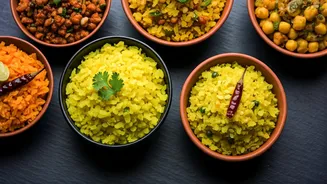



First, What Is a 'Poha Day Moment'?
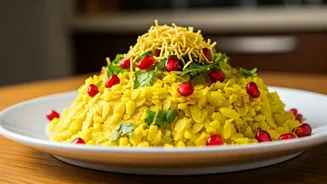
To understand the excitement around Chirer Pulao, you first have to understand Poha. For years, Poha—a simple, savory dish made from flattened rice—was the unassuming breakfast hero of western and central India, particularly in states like Maharashtra
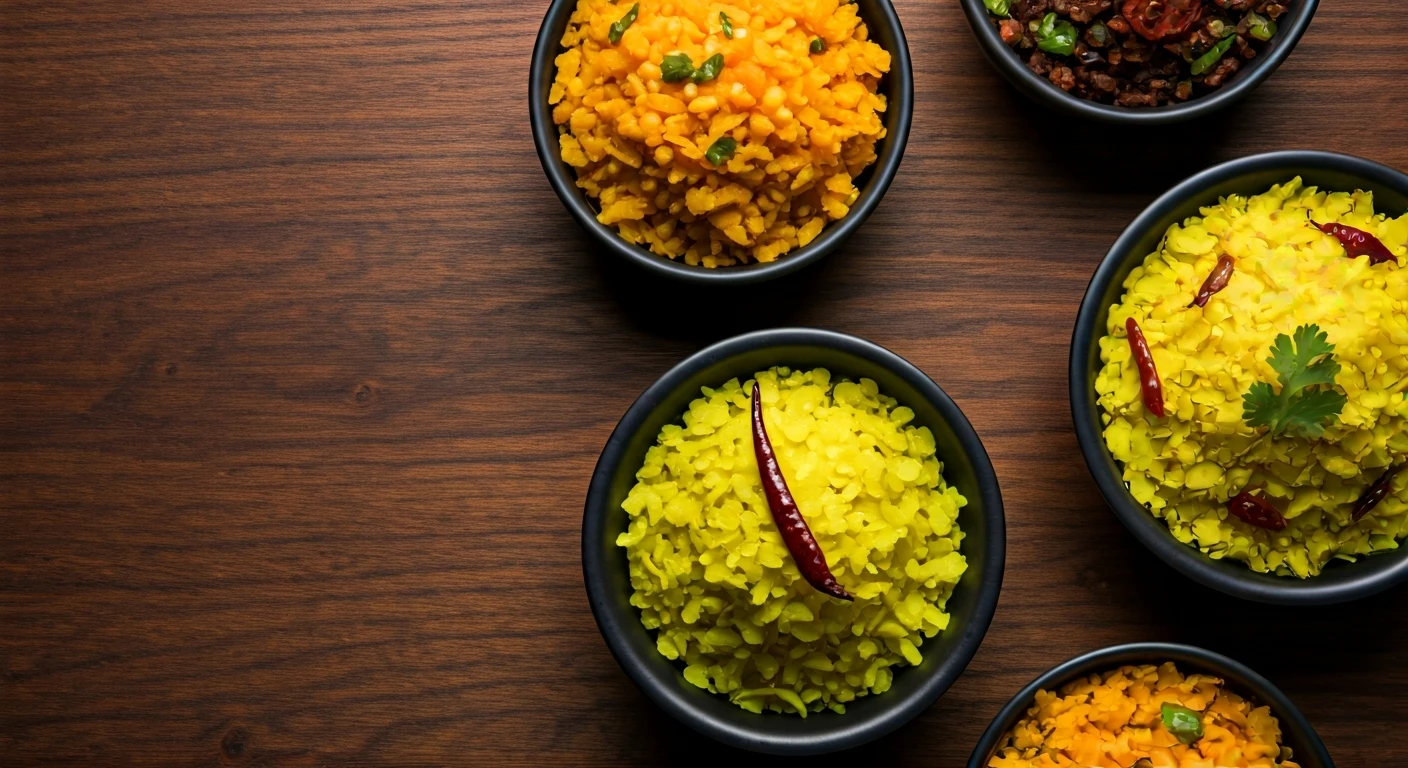
and Madhya Pradesh. It’s light, quick to cook, and endlessly customizable. Think of it as the Indian equivalent of oatmeal or grits: a humble, everyday staple that people are fiercely proud of. Then, something shifted. Poha started trending. It became a meme, a subject of online debates, and even a subtle political symbol. Social media designated June 7th as 'World Poha Day.' Suddenly, a dish that millions ate without a second thought became a national culinary icon, celebrated far beyond its home regions. This is the 'Poha Day Moment': when a hyper-local food suddenly achieves widespread recognition and becomes a symbol of cultural pride on a much larger stage.
Enter Chirer Pulao: Bengal's Answer
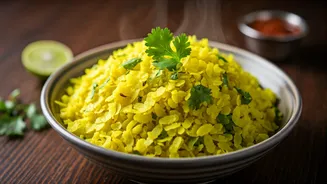
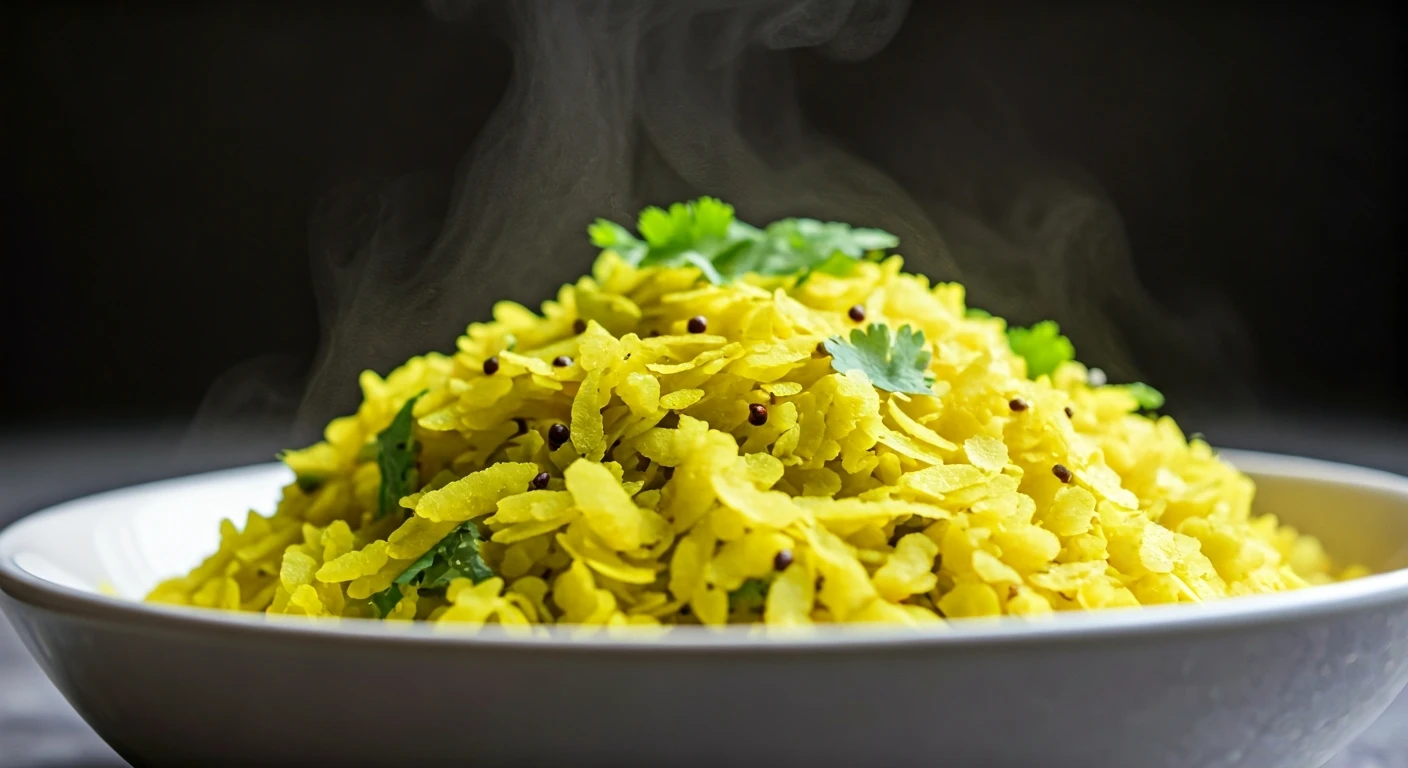
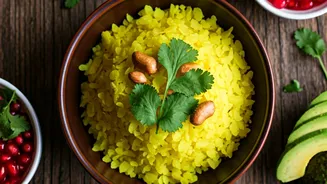
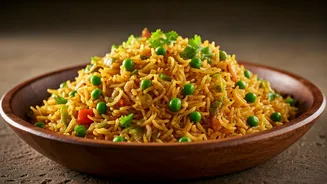
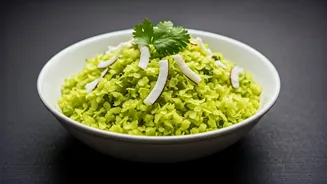
Now, it's Chirer Pulao's turn. Hailing from the eastern state of West Bengal and Bangladesh, this dish is a cornerstone of Bengali cuisine. Like Poha, its main ingredient is 'chire,' the Bengali word for flattened rice. But that’s where the simple comparison ends. Where Poha is often defined by its savory notes of turmeric, onion, and a squeeze of lime, Chirer Pulao (or 'Chire'r Polao') plays a different, more complex tune. It’s a fragrant, stir-fried dish that often balances sweet and savory flavors. It might be cooked with finely diced vegetables like carrots and peas, tossed with fried peanuts or cashews for crunch, and sometimes includes raisins for a burst of sweetness. The spice profile is distinctly Bengali, often featuring subtle hints of cinnamon, cardamom, or bay leaf, and it’s typically fried in ghee or mustard oil, giving it a unique richness. For Bengalis, it’s not just breakfast; it’s a nostalgic snack, a quick and satisfying meal, and pure comfort food.
Cousins, Not Twins
So while both dishes use flattened rice as a base, calling them the same would be like saying grits and polenta are identical. They are culinary cousins, shaped by the distinct palates and pantries of their respective regions. The texture of the flattened rice used can differ—some varieties are thick, others paper-thin. The preparation technique also varies. Poha is often steamed after a quick soak, resulting in a soft, fluffy texture. Chirer Pulao is typically fried, giving the grains a slightly firmer bite and allowing them to soak up the flavors of the spices and ghee. The difference is a beautiful illustration of India's culinary diversity. The same core ingredient, transformed by local tastes, traditions, and available spices, becomes two entirely different, yet equally beloved, dishes. One is a savory, zesty wake-up call; the other is a fragrant, subtly sweet comfort blanket in a bowl.
Why This Moment Matters
The rise of Chirer Pulao is more than just a food trend; it's a celebration of specificity. For decades, Indian food in the U.S. and even within India was often represented by a small handful of North Indian dishes like chicken tikka masala or naan. But a new generation of food lovers, both in India and abroad, is pushing for a more nuanced understanding. They are championing the vast, incredible diversity of the country's regional cuisines. When a dish like Chirer Pulao gets its 'Poha Day Moment,' it's a victory for culinary representation. It tells the world that there's more to discover. It empowers a community by seeing its unique cultural heritage celebrated. It’s a sign that we’re moving beyond monolithic definitions of 'Indian food' and embracing the rich, complex, and delicious reality of its many parts. It's the food equivalent of discovering a hit band from a small town—you feel proud for them, and you can’t wait for everyone else to hear what you’ve known all along.