



Moving Beyond the Stereotype
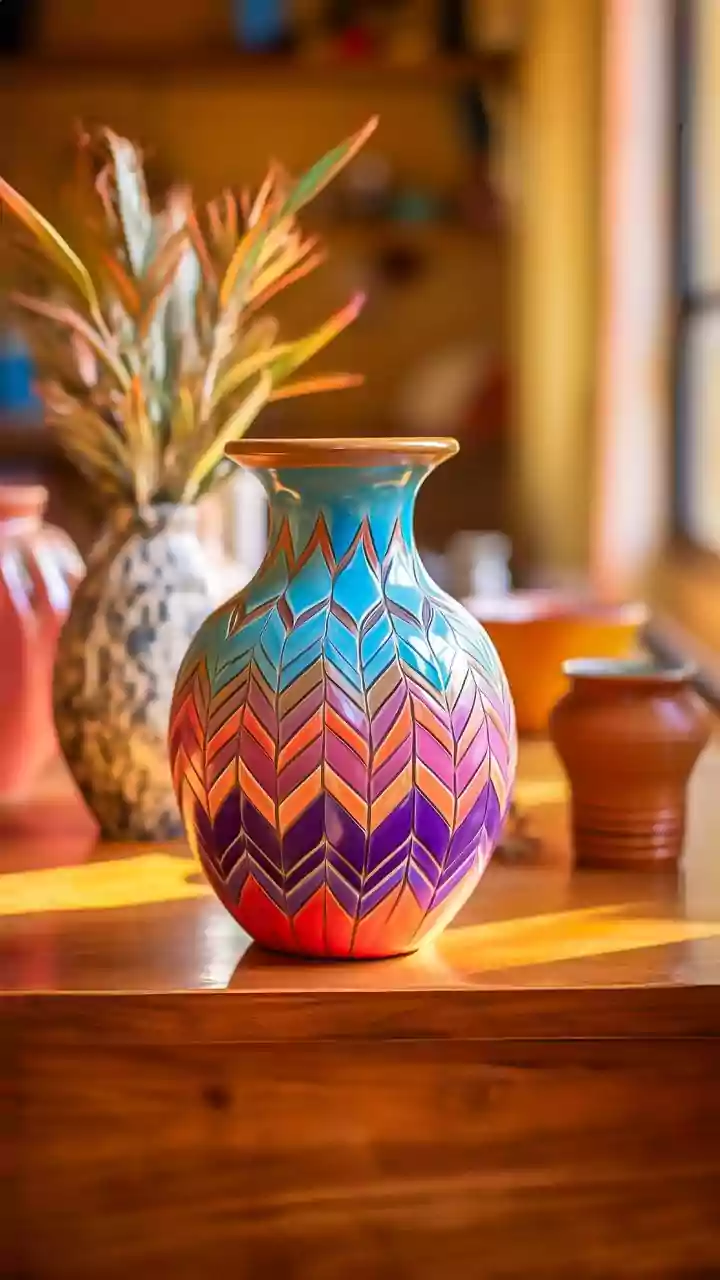
For decades, the global image of Indian interior design has been one of vibrant, almost overwhelming, sensory richness. Think heavy teakwood furniture with elaborate carvings, shimmering brocade fabrics, and a riot of colors from saffron to magenta. This
aesthetic, rooted in royal history and regional traditions, celebrated abundance and ornate craftsmanship. While undeniably beautiful, it represented a specific, maximalist vision of luxury. Today, however, a growing movement among India’s urban homeowners and designers is gently pushing back against this stereotype. The new aspiration isn't about displaying wealth through ornamentation, but about curating a personal sanctuary that serves as an antidote to the chaos of the outside world. This isn’t a rejection of Indian heritage, but a thoughtful reinterpretation of it for a modern, globalized, and often overstimulated life.
The Search for a Sanctuary
The driving force behind this trend is the reality of contemporary life in India's bustling metropolises. Cities like Mumbai, Delhi, and Bengaluru are dense, noisy, and perpetually in motion. For many professionals, home is no longer a place to simply eat and sleep, but a crucial space for decompression and mental well-being. The desire for “stillness and warmth” is a direct response to this environment. It's a search for a space that calms the nervous system rather than stimulating it. This mirrors the global wellness movement and concepts like Danish *hygge* (coziness) or Japanese *wabi-sabi* (finding beauty in imperfection). However, the Indian expression of this idea is unique. It’s less about minimalist purity and more about creating a warm, earthy embrace. The goal is a home that feels grounded, authentic, and deeply personal—a refuge from the digital noise and urban grind.
An Earthy, Textured Palette
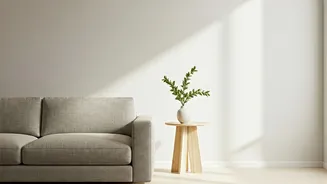
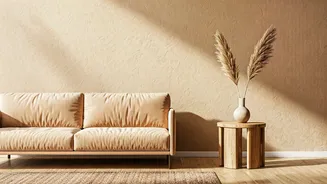
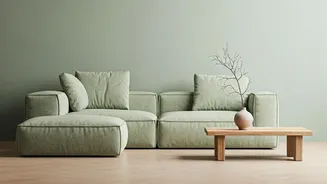
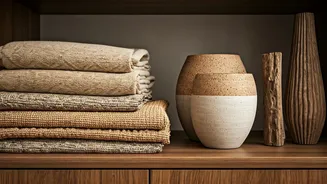
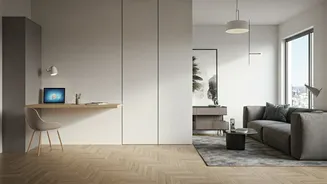
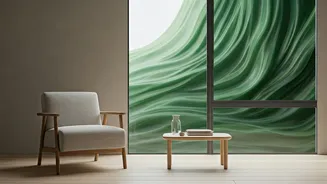
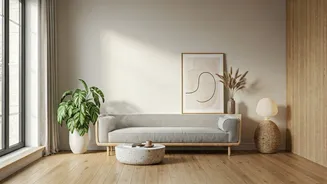
So, what does this new Indian interior look like? The palette has softened dramatically. Bright, saturated colors are being replaced by a sophisticated range of earthy tones: warm terracotta, muted ochre, soft sage, and various shades of beige and off-white. These colors evoke a connection to the land and provide a serene, neutral backdrop. Texture has become more important than pattern. Instead of busy damasks, you’ll find hand-spun cotton, raw linen, and nubby jute. Smooth, polished marble is often giving way to the subtle imperfections of lime-washed walls (a traditional Indian technique) or concrete floors. Rattan, cane, and light-toned woods are used for furniture, adding a layer of natural warmth and lightness that feels both modern and timeless. The emphasis is on materials that are pleasing to the touch and that age gracefully.
Honoring Craft, Quietly
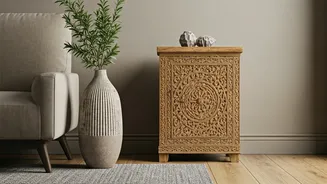
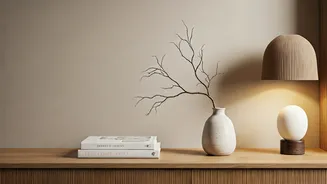
This shift is not about erasing Indian identity in favor of a generic global look. Instead, it’s about a more curated approach to heritage. Craftsmanship is still deeply valued, but it’s being incorporated in more subtle, contemporary ways. A single, beautifully carved wooden panel might be used as a piece of wall art rather than being part of an entire furniture set. A hand-blocked printed quilt might feature a minimalist, geometric design instead of a dense floral one. Artisanal objects are key. A hand-thrown ceramic vase, a unique piece of tribal art, or a simple brass lamp provides a connection to tradition without overwhelming the space. This approach allows the beauty of a single object to shine, encouraging mindful appreciation rather than sensory overload. It’s a style that says more with less, celebrating the soul of Indian craftsmanship in a quieter, more confident voice.