


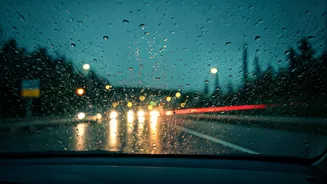


1. Check Your Tire Tread and Pressure
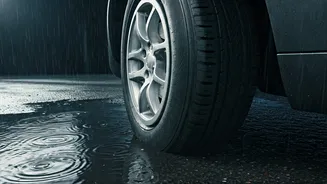
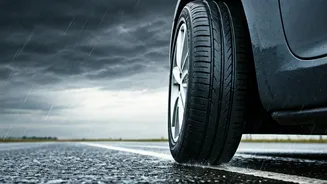
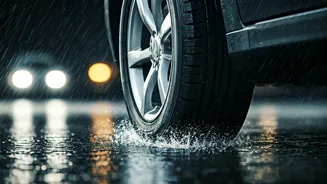
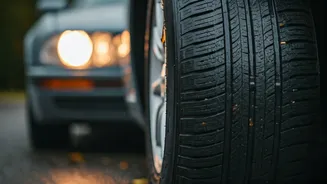
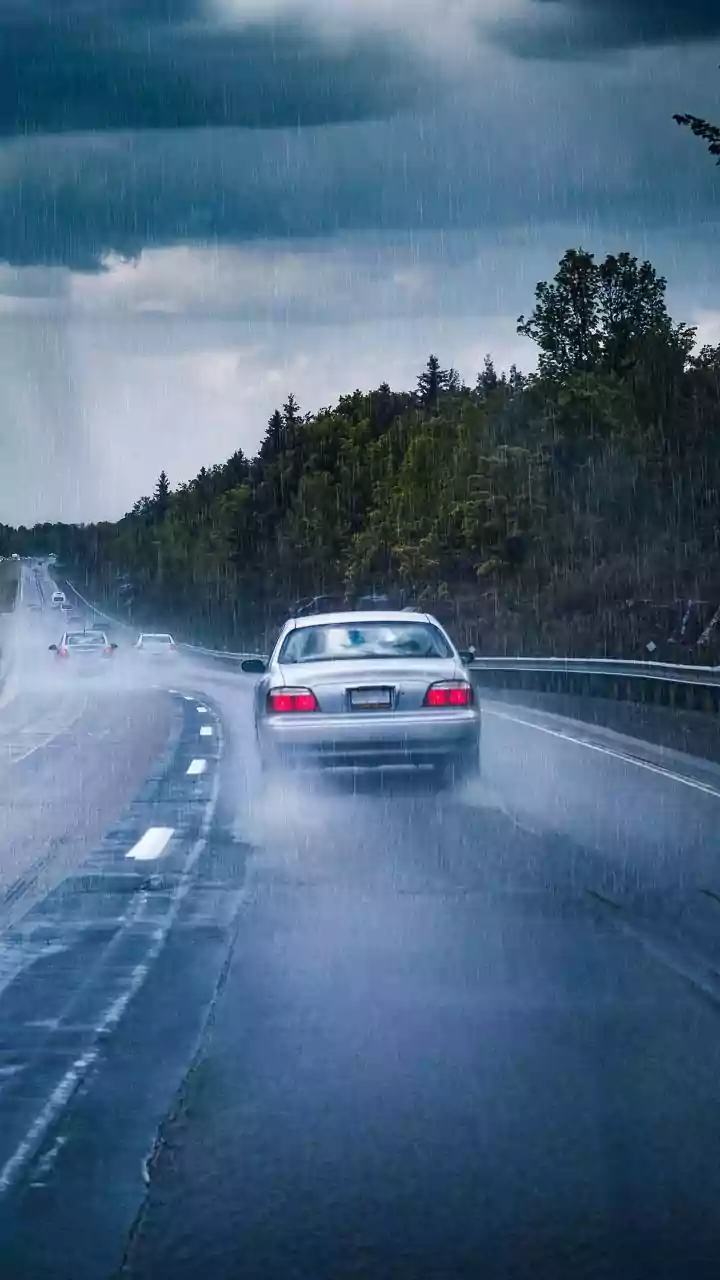
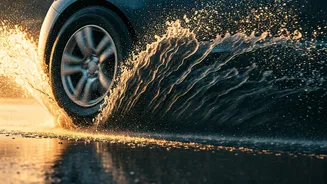
Your tires are the only part of your car that touches the road, and their condition is critical in wet weather. Worn tires can't effectively channel water away, leading to hydroplaning—a dangerous situation where your vehicle skims across a thin layer
of water, causing a complete loss of control. To check your tread, use the classic penny test: insert a penny into your tire's tread groove with Lincoln's head upside down. If you can see the top of Abe's head, your tread is too shallow (less than 2/32 of an inch) and it's time for new tires. Also, check your tire pressure. Underinflated tires can negatively affect handling and braking. Your car's recommended PSI is usually listed on a sticker inside the driver's door jamb. Check the pressure when the tires are cold for an accurate reading.
2. Inspect Your Wiper Blades
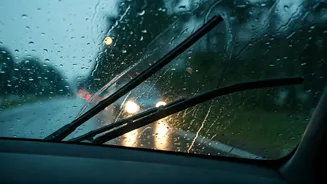
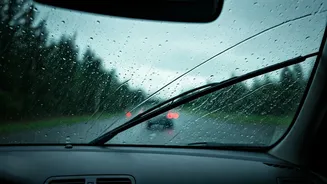
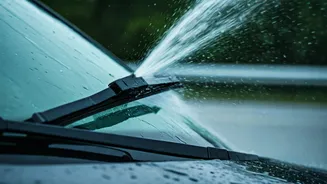
Visibility is your first line of defense in a storm. If your wiper blades are streaking, chattering, or smearing water across the windshield instead of clearing it, they are past their prime. Over time, the rubber on wiper blades hardens and cracks from exposure to sun and heat. Most experts recommend replacing them every six to twelve months. Give them a quick test with your windshield washer fluid. If they leave behind streaks or uncleared patches, new blades are a cheap and easy fix that makes a world of difference. While you're at it, make sure your windshield washer fluid reservoir is full.
3. Test All Your Exterior Lights
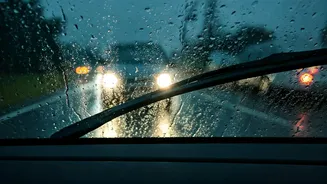
In a downpour, being seen is just as important as seeing. Walk around your vehicle and check that all your lights are functioning correctly. Have a friend or family member help you test your headlights (both low and high beams), taillights, brake lights, and turn signals. A burned-out bulb significantly reduces other drivers' ability to see your vehicle or anticipate your actions, especially in low-light, rainy conditions. Headlight lenses can also become foggy or yellowed over time, which diminishes their brightness. If yours are cloudy, consider using a headlight restoration kit to restore their clarity.
4. Listen to Your Brakes
Wet roads increase your car's stopping distance, making healthy brakes more important than ever. You don't need to be a mechanic to spot potential issues. Pay attention to how your brakes feel and sound during your daily drive. Do they squeal, grind, or make a clicking noise? Does the car pull to one side when you brake? Does the pedal feel spongy or do you have to press it nearly to the floor? These are all warning signs that your brake pads, rotors, or fluid may need attention. If you notice any of these symptoms, have your brakes inspected by a qualified mechanic before the next storm rolls in.
5. Consider a Windshield Treatment
For an extra layer of safety, consider applying a hydrophobic windshield treatment like Rain-X or a similar product. These treatments create a slick, invisible coating that causes water to bead up and roll right off the glass, especially at higher speeds. This dramatically improves visibility during heavy rain, often reducing the need to use your wipers on their highest setting. Application is simple: clean your windshield thoroughly, apply the product with a cloth, let it haze over, and then buff it off. The effect can last for several months and makes driving in the rain significantly less stressful.