





Why Timing Your Trim Matters
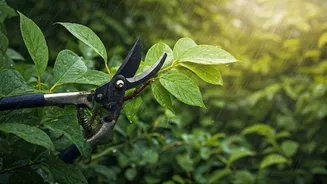
Giving your plants a haircut right before a storm might seem counterintuitive, but it’s one of the smartest defensive moves a gardener can make. The primary reason is disease prevention. When you prune a plant, you create an open wound. If you trim during
or immediately after rain, those fresh cuts become perfect entry points for waterborne fungal and bacterial pathogens. Raindrops splash spores from the soil or from other infected leaves directly onto these vulnerable spots, effectively fast-tracking an infection. Diseases like black spot on roses, fire blight on apple and pear trees, and various forms of powdery mildew thrive in wet, humid conditions. By pruning in the dry hours or day before rain arrives, you give the plant’s wounds precious time to begin the callusing process—forming a protective seal that blocks pathogens from getting in. Think of it as closing the door before the unwanted guests arrive.
Preventing Weather-Related Damage
Beyond disease, pre-rain pruning is a simple form of structural engineering for your plants. A dense, untrimmed canopy of leaves acts like a sail in the wind that often accompanies a storm. Heavy rains add significant weight to every leaf and branch. The combination of high winds and water-logged foliage can easily snap branches, split stems, or even uproot smaller trees and shrubs. By selectively thinning out the canopy, you accomplish two things. First, you reduce the overall surface area, allowing wind to pass through the plant more easily rather than pushing against it. Second, you lighten the load, decreasing the risk of branches breaking under their own sodden weight. This is especially critical for top-heavy plants, large flowering hydrangeas whose blooms become massive sponges, or any trees with weak branch unions. A strategic trim is like giving your plant a more aerodynamic and resilient shape to weather the storm.
What to Target Before a Storm
Not every plant needs a full shearing before a drizzle. Your pre-rain pruning should be targeted and strategic. Focus your attention on the three D’s: dead, damaged, and diseased wood. These branches are already weak and are prime candidates for spreading problems or breaking off. Next, look for crossing or rubbing branches; the friction creates wounds, and a storm will only make it worse. Thin out overgrown perennials and shrubs to improve air circulation—this not only helps with wind resistance but also allows foliage to dry faster after the rain, further discouraging fungal growth. For plants like climbing roses or top-heavy dahlias, trimming can reduce their bulk and prevent them from being torn from their supports. However, be mindful of what you’re trimming. Avoid major pruning on spring-flowering shrubs like lilacs or forsythias if they haven't bloomed yet, as you might cut off the buds set for the upcoming season.
Your Pre-Rain Pruning Checklist
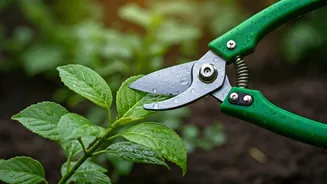
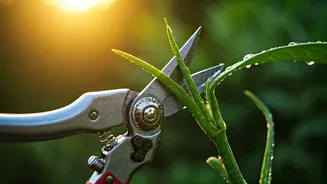
Ready to grab the shears? Follow a few simple rules for an effective and safe pre-storm trim. First, always work with clean, sharp tools. Wipe your pruners or loppers with rubbing alcohol between plants, or at least between a diseased plant and a healthy one, to avoid spreading pathogens yourself. Second, make clean cuts. A ragged tear is harder for a plant to heal than a smooth slice. For branches, cut back to just outside the “branch collar”—the raised ring of bark where the branch meets the trunk—which contains the cells that will heal the wound. Don't leave a long, useless stub, and don't cut flush against the trunk. Finally, follow the one-third rule: as a general guideline, never remove more than one-third of a plant’s total mass at one time. A light, strategic tidy-up is the goal, not a radical makeover.