




The Probiotic-First Era
Not long ago, the path to a happy gut seemed paved with fermented foods. If you felt bloated, sluggish, or just vaguely “unwell,” the advice was simple: add more probiotics. This sent millions of Americans scrambling for kimchi, kefir, sauerkraut, and
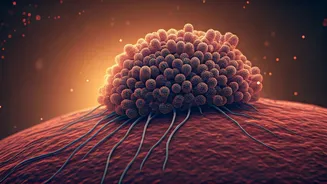
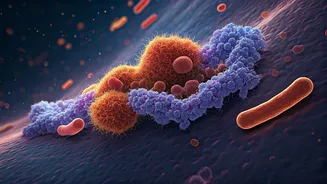
kombucha. The logic was straightforward: our guts contain bacteria, some good and some bad. Probiotics are live, “good” bacteria, so eating them should tip the balance in our favor. There’s nothing inherently wrong with this idea. Probiotic-rich foods can be a healthy addition to your diet. The problem was the oversimplification. This “add more good guys” approach treated the gut like an empty container waiting to be filled, rather than the complex, living ecosystem it truly is. It suggested that a single food group could be a silver bullet for a system influenced by everything from genetics to your morning commute.
Beyond Adding Bacteria: Feeding Them
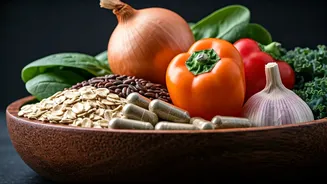
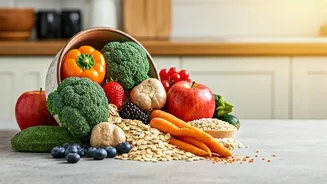
The first major shift in gut health advice was the rising popularity of prebiotics. If probiotics are the new flowers you plant in your garden, prebiotics are the fertilizer and high-quality soil that nourish everything already growing there. Prebiotics are types of dietary fiber that your body can't digest. Instead, they travel to your lower digestive tract, where they become food for the beneficial bacteria that call your gut home. This was a game-changer. It moved the focus from simply introducing new bacteria to sustaining and strengthening the trillions you already have. Foods rich in prebiotic fiber include garlic, onions, asparagus, bananas, and whole grains. This realization led to a more sophisticated understanding: a healthy gut isn't just about parachuting in helpful microbes; it's about creating an environment where a diverse community of them can thrive.
The Gut-Brain Connection Goes Mainstream
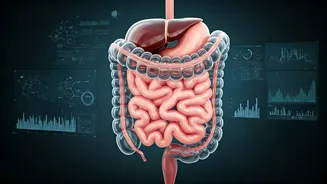
Perhaps the most significant broadening of gut health advice is the mainstream acceptance of the “gut-brain axis.” This isn't a new concept in medicine, but its importance in everyday wellness is finally being recognized. Your gut and brain are in constant communication through a network of nerves, hormones, and chemical signals. This explains why you might get “butterflies” in your stomach when you’re nervous or why prolonged stress can lead to digestive issues. The advice that follows is revolutionary for the gut health world: managing stress, getting enough sleep, and regular exercise are just as important for your microbiome as what you eat. Chronic stress can alter the composition of your gut bacteria for the worse, while good sleep helps regulate it. This holistic view acknowledges that you can’t chug kombucha your way out of a high-stress lifestyle with poor sleep. The gut isn’t isolated; it’s a key player in your body's interconnected network.
The New Goal: A Diverse Ecosystem
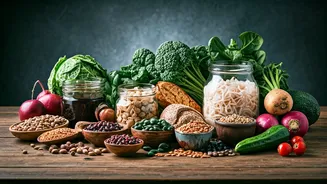
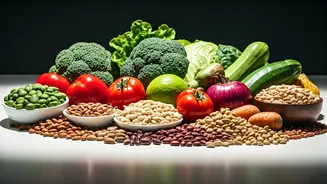
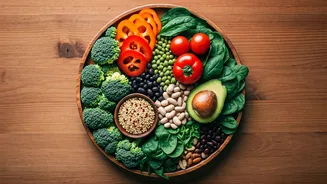
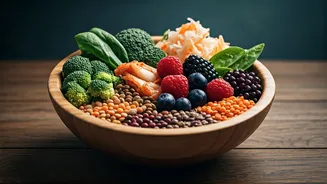
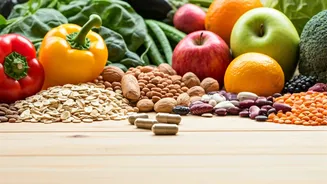
So where does that leave us? The new, broader goal of gut health isn’t about chasing a single “superfood” or supplement. It's about cultivating diversity. A resilient, healthy gut microbiome is like a lush rainforest, full of thousands of different species of plants, animals, and fungi, all working together. A less healthy gut is more like a cornfield—a monoculture that’s highly susceptible to disease and disruption. The most effective way to build this internal rainforest is by eating a wide variety of plant-based foods. Some experts even recommend aiming for 30 different types of plants per week. That might sound daunting, but it includes fruits, vegetables, nuts, seeds, legumes, whole grains, herbs, and spices. A sprinkle of parsley, a handful of almonds, and a side of black beans all count. This approach—focusing on fiber diversity, managing stress, and prioritizing sleep—is less about a quick fix and more about a sustainable, long-term strategy for overall well-being.