





The Slow Fade of Food Morality
For years, the wellness landscape was a battlefield of good versus bad. Carbs were villains, fat was the enemy (then a friend, then complicated), and sugar was public enemy number one. Diet culture thrived on this moral framework, promising salvation
through restriction. It was a cycle of intense discipline followed by inevitable failure, guilt, and starting over on Monday. This all-or-nothing approach created an industry around quick fixes, 30-day challenges, and foods proudly labeled with what they lacked: fat-free, sugar-free, joy-free. But that punishing mindset is losing its grip. A growing weariness with food-related anxiety, fueled by the body positivity and neutrality movements, has created an opening for a new philosophy. People are tired of feeling like they’ve committed a sin for eating a piece of cake. The new question isn't, “Is this food 'good' or 'bad'?” but rather, “How does this food fit into my overall life?” This shift marks a move away from seeing food as a moral test and toward seeing it as a source of both nourishment and pleasure.
Enter the 'Good Enough' Approach
The new king of dietary approaches isn’t a diet at all; it’s the concept of balance. You see it in the rise of “intuitive eating,” a practice that encourages listening to your body’s hunger and fullness cues instead of a calorie-counting app. You also see it in the popular 80/20 principle, where the goal is to eat nutrient-dense foods 80% of the time and allow for flexibility and indulgence the other 20%. This framework liberates people from the perfectionist trap. It acknowledges that life includes birthdays, holidays, and stressful Tuesdays where only a slice of pizza will do. Instead of derailing a person’s entire effort, these moments are simply part of the plan. This sustainable mindset is proving more effective for long-term health than the short, intense bursts of restriction that defined old-school dieting. It’s less about a finish line and more about building a lifestyle that you don’t need a vacation from.
Why Taste Became Non-Negotiable
One of the biggest casualties of classic diet culture was flavor. “Healthy” was often synonymous with “bland.” Think steamed, unseasoned broccoli and dry grilled chicken breast. Today, that trade-off is unacceptable to most consumers. The modern wellness market is a flavor-forward explosion. Brands are no longer just selling low-calorie products; they’re selling delicious experiences that happen to be healthy. Think of complex, globally inspired spice blends from companies like Fly By Jing or Omsom that can transform a simple vegetable. Consider the boom in high-protein, low-sugar ice creams from brands like Halo Top and Nick’s that actually taste like a treat. Even health-focused fast-casual chains like Cava and Sweetgreen have built their empires on customizable bowls packed with flavorful sauces, crunchy toppings, and satisfying textures. The message is clear: if it doesn't taste good, it doesn't matter how healthy it is, because no one will stick with it.
The Convenience Economy Takes Over
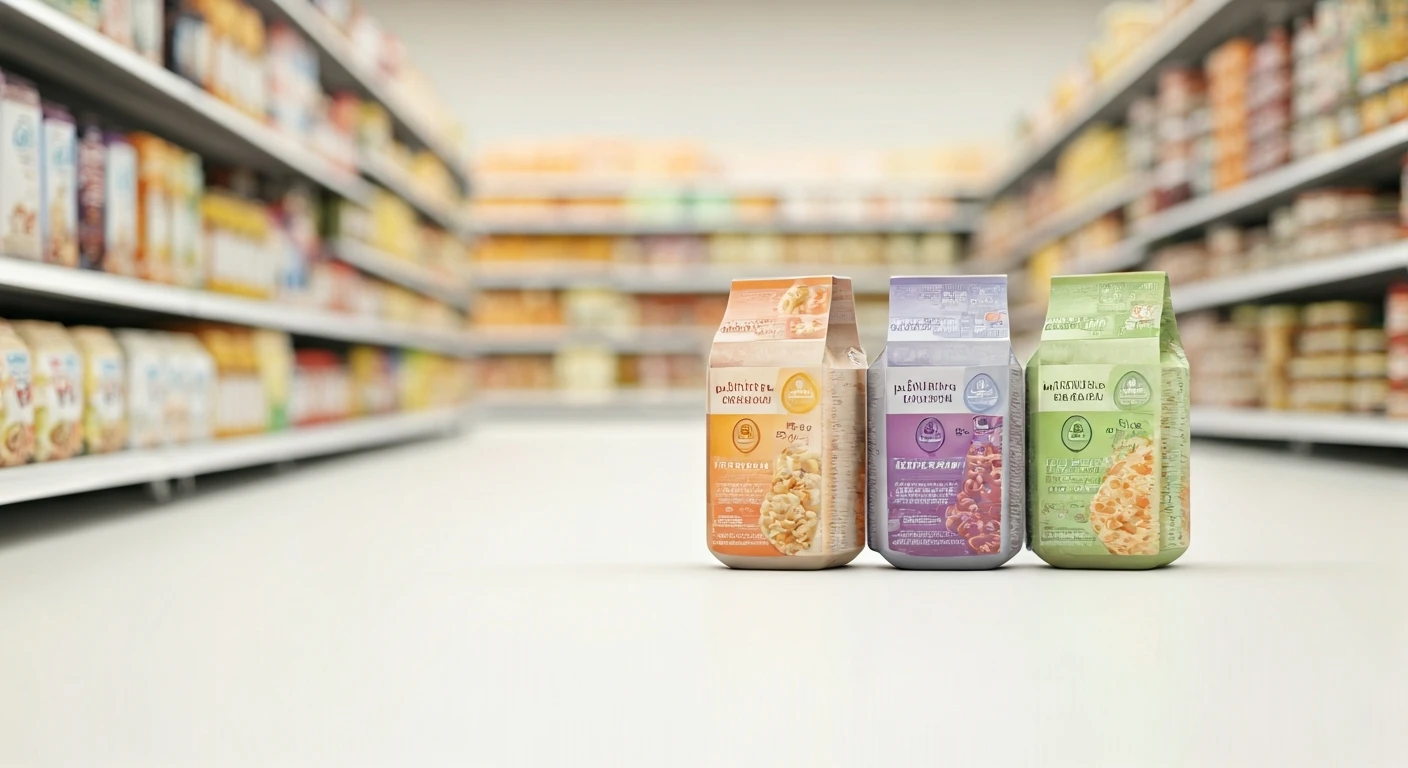
Perhaps the most powerful force reshaping our plates is convenience. In an era of demanding jobs and busy family schedules, the time required for elaborate meal prep is a luxury few can afford. The food industry has responded with a wave of solutions that fit seamlessly into a hectic life. Meal kit delivery services like HelloFresh and Blue Apron eliminate the planning and shopping, while more health-oriented services like Factor and Daily Harvest deliver pre-made, dietitian-designed meals that just need heating. The grocery store itself has transformed, with aisles dedicated to pre-chopped vegetables, high-protein yogurts, and grab-and-go snack bars that offer balanced macros without the effort. This isn’t about being lazy; it’s about being pragmatic. By making the healthy choice the easy choice, convenience is quietly doing more to improve American eating habits than a thousand restrictive diet books ever could.