

Prioritize Hydration, Not Just Water
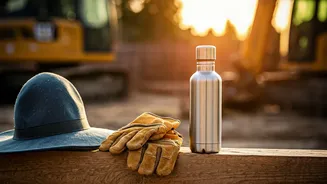
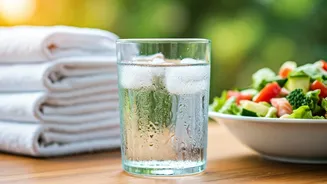
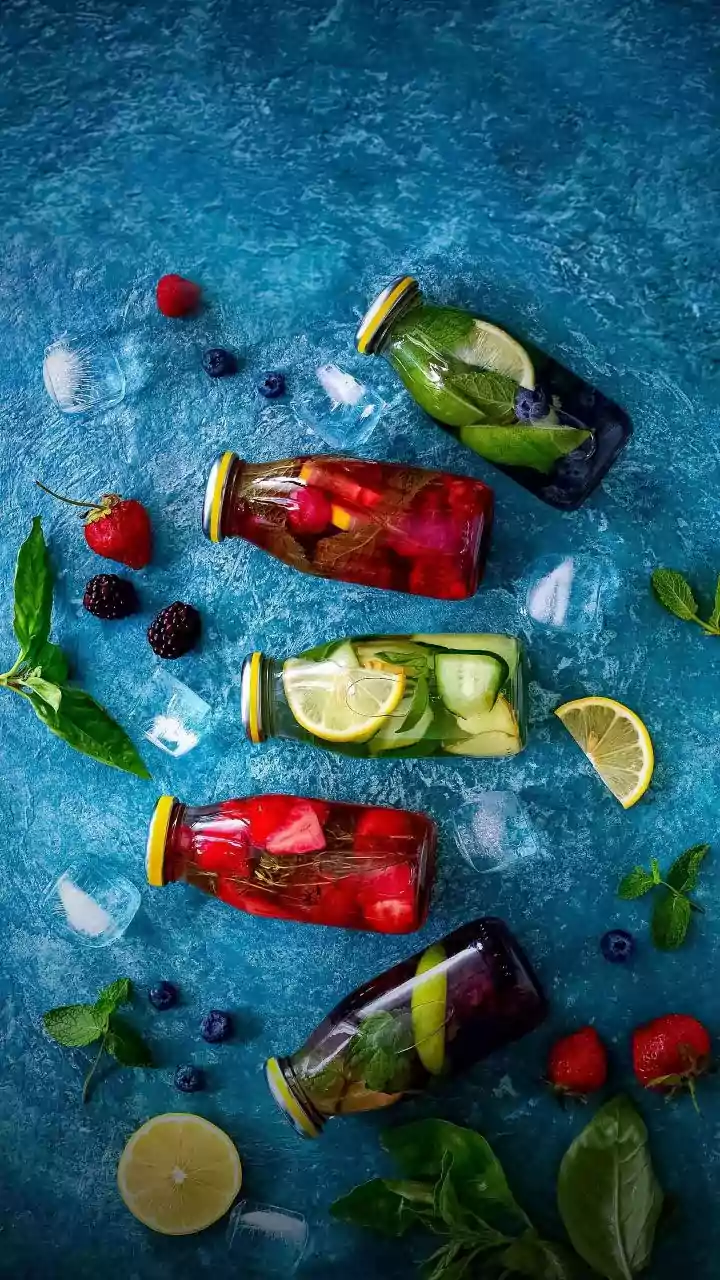
For anyone working a 10-hour shift under the sun, chugging plain water isn't enough. When you sweat, you lose not just water but also essential electrolytes like sodium and potassium. This is why many experienced outdoor workers alternate between water and something
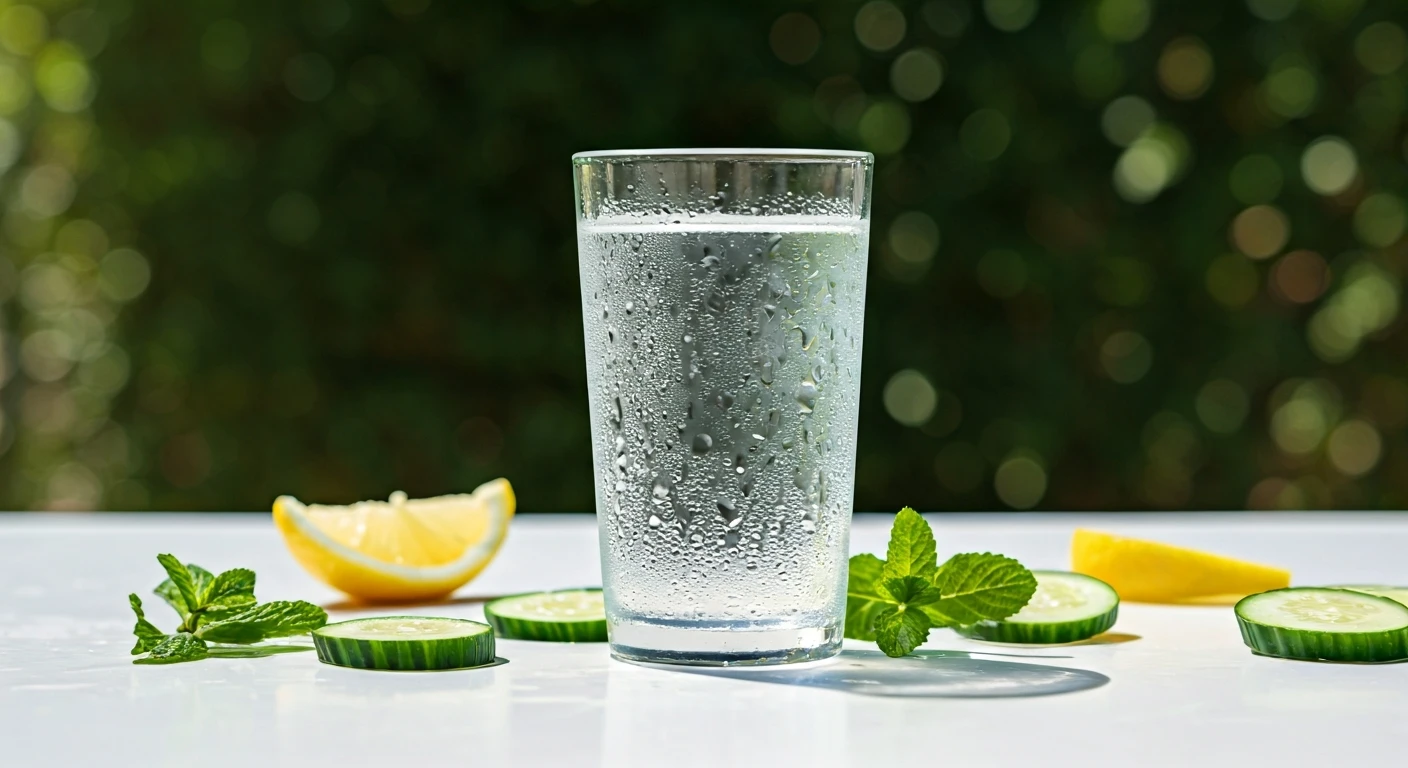
more. You'll often see them with a second bottle containing a diluted sports drink, an electrolyte powder mix, or even a homemade concoction of water with a pinch of salt and a squeeze of lime. Agricultural workers in particular have long relied on drinks like agua frescas, which provide hydration, a small amount of natural sugar for energy, and vital nutrients from fruit. The key takeaway: when you're sweating heavily, your body needs more than just H2O to stay in balance. Supplementing with electrolytes prevents the headaches, muscle cramps, and fatigue that can come from over-diluting your system with plain water.
Eat Your Water
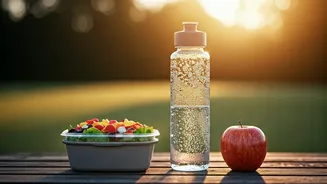
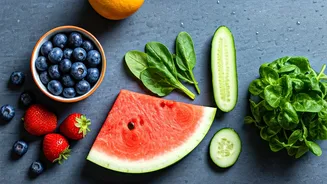
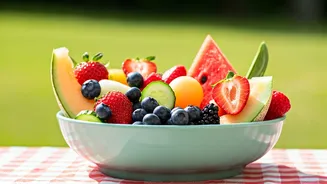
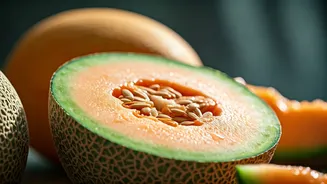
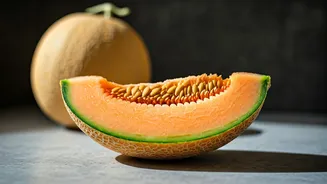
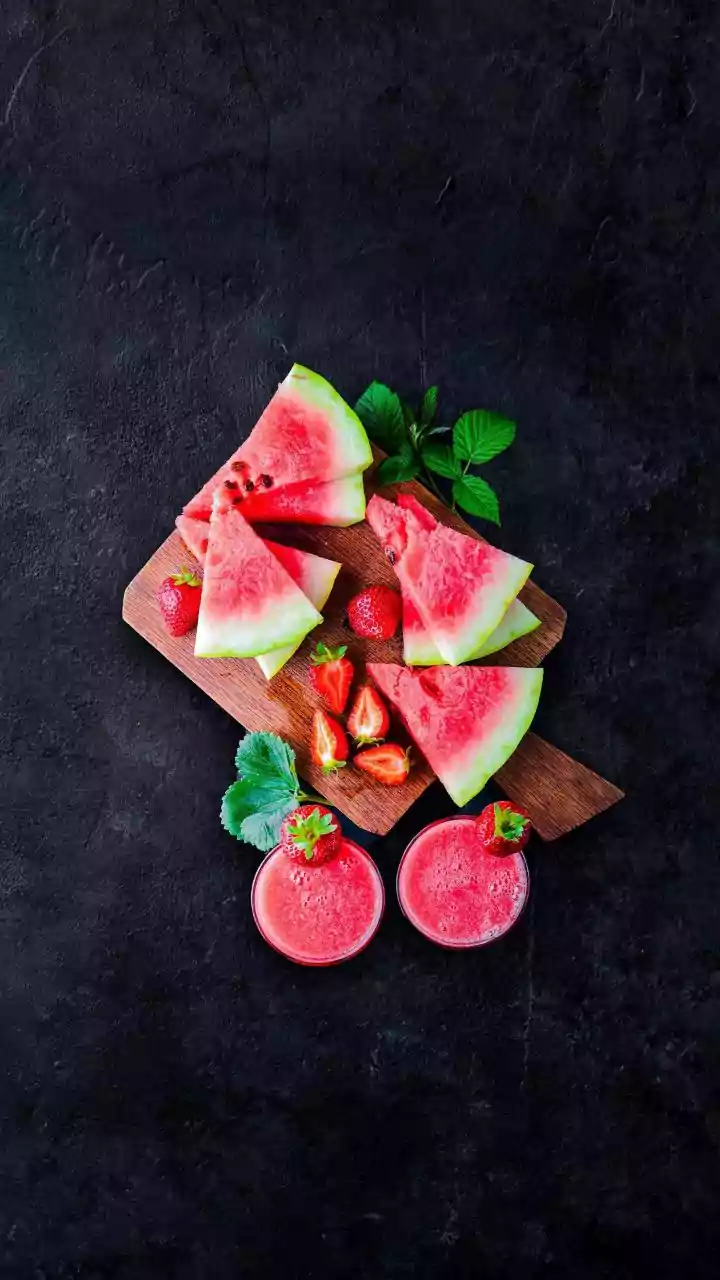
The smartest way to stay hydrated is to make it a passive activity. Outdoor professionals know that food can be a powerful source of fluids. Instead of relying solely on drinks, they pack their lunch boxes and coolers with high-water-content foods. Think of things that are crisp, cool, and refreshing. Sliced cucumbers, celery sticks, bell peppers, and juicy oranges are staples. Watermelon, a classic summer favorite, is more than 90% water and also contains lycopene, an antioxidant that may offer some protection against sun damage. Berries, cantaloupe, and tomatoes are other excellent choices. These foods provide a double benefit: they deliver hydration directly to your system while also supplying vitamins and fiber, which helps you feel full without the heaviness of a processed, carb-heavy meal.
Rethink the Midday Meal
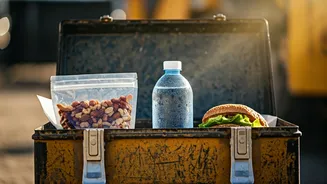
A huge, heavy lunch is the enemy of productivity in the heat. Digesting a big meal, especially one high in fat and protein, generates internal body heat—a process called diet-induced thermogenesis. This forces your body to work even harder to cool itself down, leading to that familiar sluggish, sleepy feeling. Outdoor workers learn this lesson fast. Many opt for a 'grazing' approach, eating smaller, more frequent meals and snacks throughout the day. A large breakfast before the heat peaks, a very light lunch, and a series of snacks can keep energy levels stable without overwhelming the digestive system. A typical lunch might be a simple sandwich on whole wheat, a container of yogurt, or a salad with a light vinaigrette, saving the larger meal for the end of the workday when the body can afford to rest and digest.
Embrace Strategic Salty Snacks
While we're often told to watch our sodium intake, that advice changes when you're sweating profusely. Losing too much salt through sweat can lead to a dangerous condition called hyponatremia. This is why you'll see roofers and landscapers reaching for a handful of pretzels or salted nuts in the afternoon. These snacks serve a critical purpose: they replenish lost sodium, which helps the body retain water and maintain proper nerve and muscle function. The key word is 'strategic.' It's not about binging on junk food, but about consciously replacing what sweat takes away. A small bag of pretzels, a few pickles, or some salted seeds are perfect for the job. They provide the necessary sodium boost to help your body hold onto the water you're drinking.
Avoid the Obvious Dehydration Traps
Just as important as what to consume is what to avoid. Outdoor laborers are disciplined about steering clear of things that work against their hydration efforts. The biggest culprits are sugary sodas and energy drinks. While they might provide a temporary jolt, the high sugar content can actually hinder water absorption and often leads to a crash. Similarly, excessive caffeine from coffee acts as a mild diuretic, causing you to lose more fluid. And while a cold beer might sound perfect after a long, hot day, alcohol is extremely dehydrating. Experienced workers stick to water, electrolyte drinks, and diluted juices during the workday, saving other beverages for when they are fully rehydrated and out of the heat.