




Why Water Isn't Enough
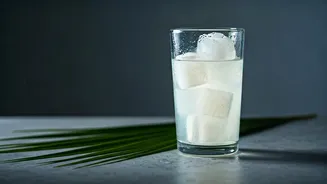
The age-old advice to “drink eight glasses a day” is a decent starting point, but it’s an incomplete picture, especially for active people. True hydration isn’t just about the volume of water you consume; it’s about fluid balance. And the key players
in that balancing act are minerals, specifically electrolytes like sodium, potassium, and magnesium. When you sweat during a workout, you don’t just lose water. You lose these vital minerals, which are essential for nerve function, muscle contractions, and maintaining blood pressure. Simply chugging plain water can sometimes dilute the electrolytes you have left, potentially leading to issues like muscle cramps, fatigue, or, in extreme cases, hyponatremia (dangerously low sodium levels). This is where the “biohacking” concept comes in: using data to move from generic advice to a personalized hydration strategy.
How Mineral Tracking Apps Work
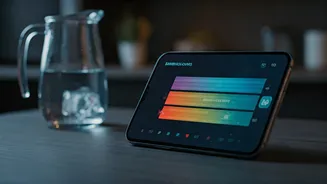
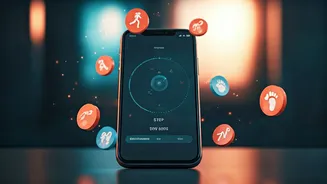
So, how can an app on your phone possibly know your mineral levels? It can’t—at least not directly, like a blood test. Instead, these apps function as sophisticated calculators and logs. They work by gathering data you provide to estimate your electrolyte losses. A typical app will ask you to input: * **Your workout details:** Type, duration, and intensity of your exercise. * **Environmental factors:** The temperature and humidity where you worked out. * **Personal metrics:** Your body weight and sometimes even your personal “sweat rate,” which some apps help you calculate with a pre- and post-workout weigh-in. * **Fluid and food intake:** You log the water, sports drinks, and foods you consume, and the app uses its database to tally the electrolytes. Based on this information, the app’s algorithm estimates your net fluid and mineral loss. Its dashboard will then provide personalized recommendations, suggesting you need a certain amount of sodium or potassium to replenish what you lost, and guiding your post-workout recovery nutrition and hydration.
Who Benefits Most from This Data?
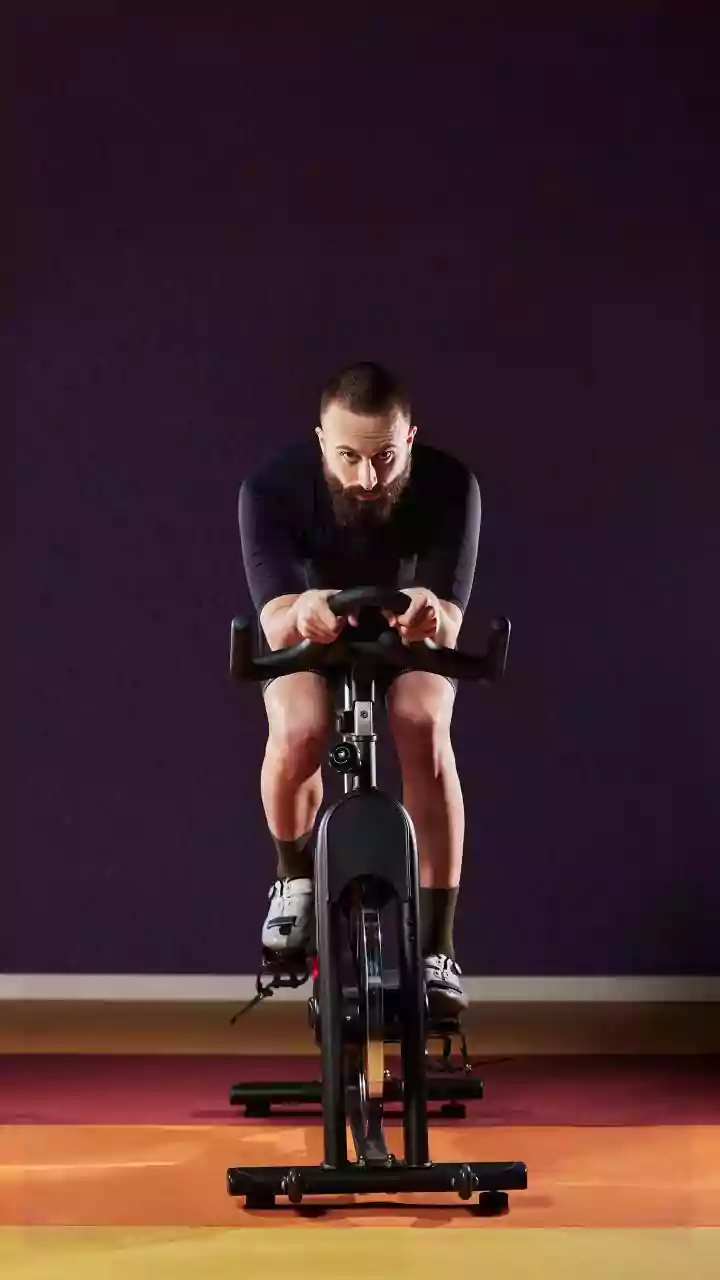
While anyone can get nerdy with their data, this level of tracking isn't necessary for everyone. If your primary exercise is a 30-minute walk or a light yoga session, your regular diet and thirst cues are likely sufficient to manage hydration. However, mineral tracking can be a game-changer for specific groups: * **Endurance Athletes:** Marathon runners, cyclists, and triathletes who engage in prolonged, sweat-heavy exercise lose significant amounts of electrolytes. For them, precise replenishment can be the difference between hitting a new personal best and hitting a wall. * **People in Hot Climates:** If you live and exercise in a hot, humid environment, your sweat losses are much higher, making electrolyte balance more critical. * **Salty Sweaters:** Some individuals naturally lose more sodium in their sweat than others (you might be one if you often see white, crusty stains on your dark workout clothes). Tracking can help these people understand their unique needs. * **Data-Driven Improvers:** Anyone serious about optimizing every aspect of their performance and recovery can find value in the insights these apps provide.
Getting Started Without Overthinking It
Diving into a world of milligram-level mineral tracking can feel overwhelming. The key is to start simple and use the technology as a guide, not a strict rulebook. First, choose an app that feels intuitive to you. Spend a week or two just logging your regular workouts and diet honestly, without changing anything. This establishes your baseline. Look at the app’s feedback. Does it consistently flag a major sodium deficit after your long runs? That’s a valuable insight. It doesn’t mean you need to start taking salt tablets; it might simply mean adding a pinch of salt to your post-run smoothie or opting for a sports drink with a higher sodium content. Use the app to learn your body’s patterns and connect the data to how you feel. If the app says you’re low on potassium and you’ve been feeling muscle fatigue, try adding a banana or a baked potato to your next recovery meal and see if it helps.