



The Rise of the 'Soft Life'
First, let’s define the dream. The 'soft life' is a cultural rejection of hustle culture. It’s the conscious choice to prioritize peace, comfort, and personal well-being over the relentless grind. Think less ‘rise and grind,’ more ‘rise and sip tea in a sunbeam.’
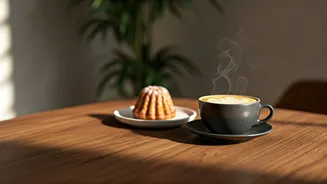
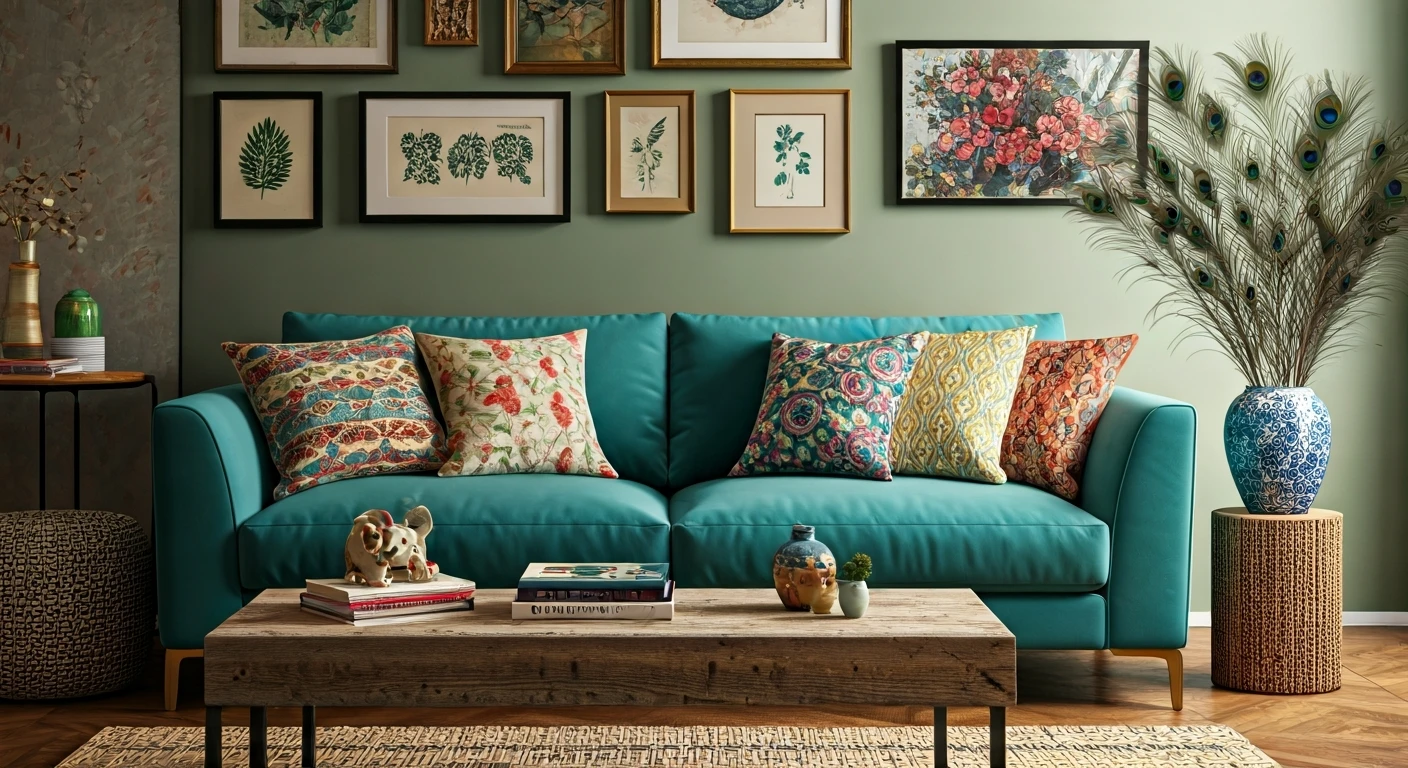
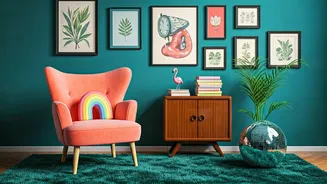
Popularized on platforms like TikTok and Instagram, this lifestyle isn't about laziness; it's about intentional ease. It’s curated, aesthetic, and deeply personal. It materializes in oat milk lattes, cashmere throws, minimalist decor, and a schedule that has room for breath. In this carefully crafted world of serenity, every element matters—especially the company you keep. And as people curate their homes to be sanctuaries from a chaotic world, they’re also reconsidering what they want from a pet.
Why Rabbits Are the Perfect Aesthetic Fit
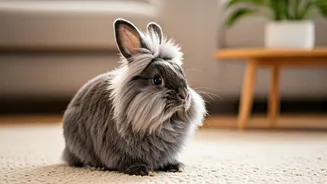
Enter the house rabbit. On the surface, they are the perfect mascot for the soft life. They are fundamentally quiet creatures. You won't have a rabbit barking through your meditation session or demanding a walk during a thunderstorm. Their movements are gentle, from a soft hop across the floor to the quiet twitch of a nose. This creates a calming, almost ambient presence in a home. Aesthetically, they’re a minimalist’s dream. Whether they’re a fluffy white cloud napping on a jute rug or a sleek black rabbit tucked into a modern hay feeder, they complement the neutral, natural-fiber look that dominates the soft-life aesthetic. They are also remarkably clean animals. Like cats, rabbits can be litter-box trained, allowing them to have free range of a bunny-proofed home without constant mess. Their independent-yet-affectionate nature aligns with a desire for companionship without the demanding, high-energy output a puppy might require. They offer quiet connection, not chaotic energy.
The Not-So-Soft Reality of Rabbit Care
Here’s the crucial reality check: while the *idea* of a rabbit is soft, the *reality* of their care is anything but. This is where the aesthetic dream collides with a demanding commitment. Rabbits are not low-maintenance pets. In fact, they are often considered 'exotic' animals, requiring specialized and often expensive veterinary care. Their digestive systems are incredibly sensitive and rely on a constant supply of high-quality hay, which should make up 80-90% of their diet—not just a handful of pellets. Furthermore, their teeth grow continuously and can develop painful, life-threatening problems without the right diet and vet oversight. Rabbits are also prey animals, which means their affection looks different. Many don’t enjoy being held or cuddled, and their trust must be earned slowly and patiently. They are crepuscular (most active at dawn and dusk) and have a biological need to chew. This means your home, from baseboards to charging cables, must be meticulously 'bunny-proofed' to prevent destruction and keep them safe.
A Reflection of Our Own Needs
The trend towards rabbits as soft-life pets says more about us than it does about the animals themselves. It reflects a collective yearning for quiet in a noisy world. We’re seeking companions who fit into the peaceful bubble we’re trying to build for ourselves. A dog’s boisterous energy can feel like another demand on our already depleted social batteries. A rabbit’s silent companionship feels like a gentle gift. This isn't just about a cute pet; it's about choosing an animal that embodies the emotional state we aspire to. The problem arises when the aesthetic appeal overshadows the animal’s actual needs. Rabbits are one of the most frequently abandoned pets, often given up by owners who were unprepared for their complex care after the initial novelty wore off. The soft life, it turns out, still requires hard work.