








What Exactly Is a Rain Lily?
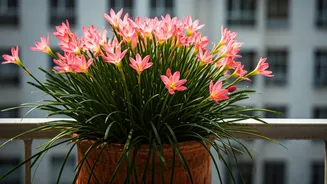
Before you can get ahead of the trend, let's get acquainted. Rain lilies, known botanically as Zephyranthes, are small, flowering bulbs native to the Americas. They earned their charming name from their tendency to burst into bloom almost immediately
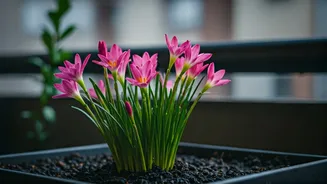
following a good rain shower, especially in late summer. Imagine a drab, drizzly afternoon followed by a sudden, cheerful display of pink, white, or yellow flowers. That’s the rain lily's signature move. For years, they’ve been a quiet favorite in warmer climates, but their unique combination of resilience and beauty makes them perfectly suited for a starring role in the world of small-space container gardening.
The Ultimate Low-Effort, High-Reward Plant
Here's the core of the "hack": Rain lilies thrive on a level of neglect that would doom most other flowers. They are drought-tolerant and ask for very little once established. You plant the bulbs, and for the most part, you can forget about them. They don't need constant deadheading, complex fertilizing schedules, or perfect soil chemistry. This makes them ideal for busy people, novice gardeners, or anyone who has ever bought a beautiful but demanding plant only to watch it wither. With rain lilies, you get all the credit for a gorgeous floral display with a fraction of the work. It’s the gardening equivalent of finding a style secret that looks expensive but is secretly comfortable and easy.
Surprise Blooms for Instant Gratification
Unlike plants that follow a rigid seasonal schedule, rain lilies offer spontaneous joy. Their bloom cycle is a delightful event. After a period of dryness, a summer downpour provides the trigger. Within days—sometimes hours—delicate, crocus-like flowers emerge on slender stems. This element of surprise is a huge part of their appeal. On a balcony, where every plant has to earn its keep, having a flower that puts on a sudden, unannounced show feels like a little bit of magic. It transforms your outdoor space from a static display into a dynamic garden that responds to the weather.
Perfectly Proportioned for Balcony Life
Size matters in small-space gardening. A plant that’s too large can overwhelm a balcony, while one that’s too small can get lost. Rain lilies are just right. Their grassy foliage typically grows to about a foot tall, creating a pleasing texture without blocking views or taking up too much floor space. The flowers themselves are delicate and upward-facing, drawing the eye without adding bulk. You can pack dozens of bulbs into a single window box or a medium-sized pot, creating a dense, lush look that far exceeds the effort you put in. They play well with others, serving as a perfect companion plant at the base of larger potted shrubs.
How to Get Started (It's Almost Too Easy)
Ready to try 2026's biggest trend a little early? Here’s how simple it is:
1. Get Your Bulbs: You can order rain lily bulbs online or find them at garden centers, especially in late spring or early summer. Popular varieties include the pink Zephyranthes rosea and the white Zephyranthes candida.
2. Pick a Pot: Choose any container with good drainage holes. A shallow, wide bowl or a classic window box is perfect.
3. Plant Them Up: Fill your container with standard potting mix. Plant the bulbs about one to two inches deep and an inch or two apart. A dense planting gives the most dramatic effect.
4. Find a Sunny Spot: Place the pot on your balcony where it will get at least six hours of sunlight per day.
5. Water and Wait: Give them a good initial watering and then let them be. Water only when the soil is completely dry to the touch. Then, sit back and wait for the next big summer rain to work its magic.