



The Unassuming Main Event
At a recent festival at the historic Khaspur Rajbari temple complex in India’s northeastern state of Assam, a surprising dish captured the hearts and palates of thousands of attendees. Amidst the grandeur of religious ceremony and the array of elaborate
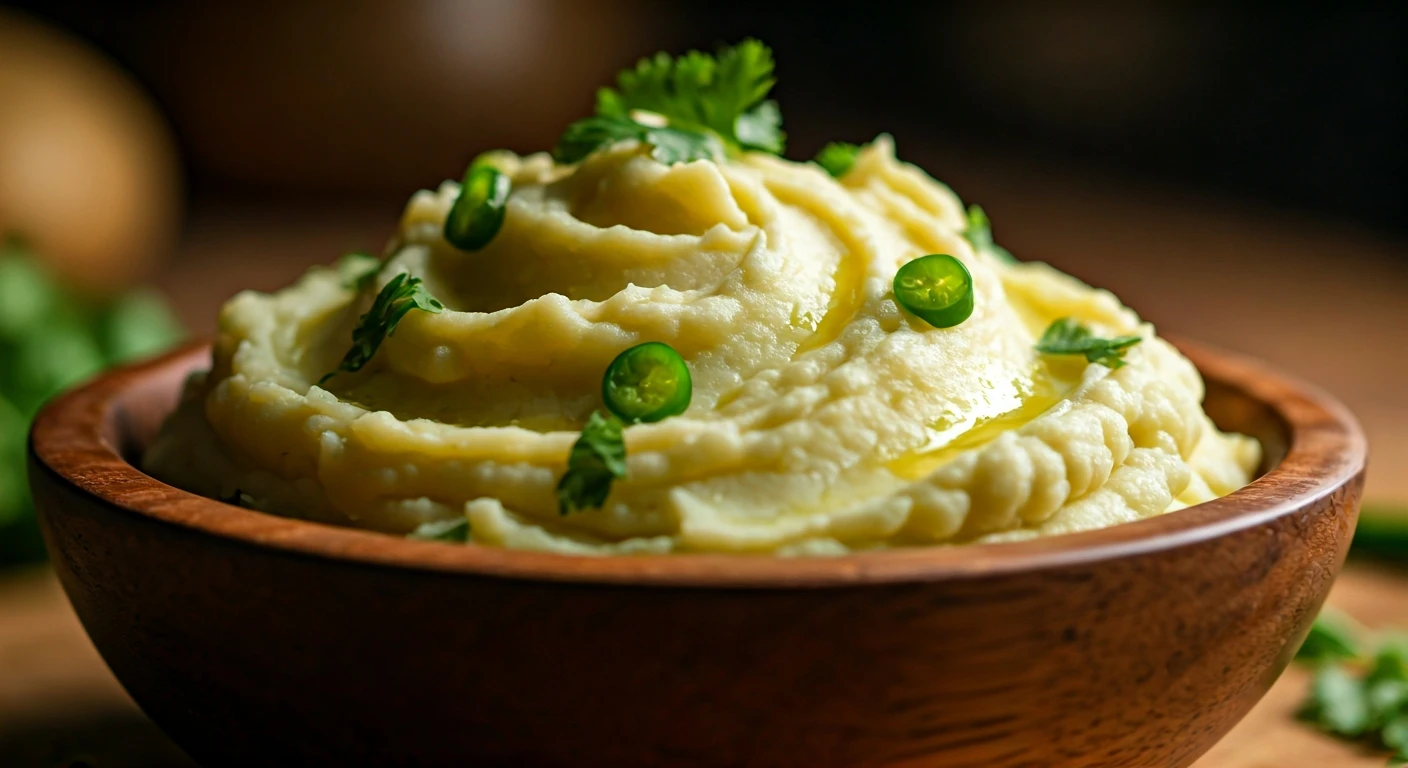
festive foods typically served as 'bhog' (devotional offerings), it was Aloo Pitika—a humble dish of mashed potatoes—that emerged as the undisputed star. Long lines formed not for rich curries or intricate sweets, but for a simple, soulful bowl of this regional comfort food. It was a powerful reminder that in the world of cuisine, fanfare and complexity don't always win. Sometimes, the most profound culinary experiences come from the dishes that taste most like home.
So, What Is Aloo Pitika?
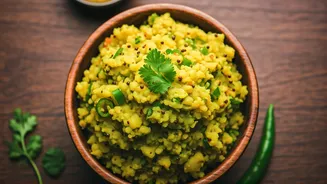
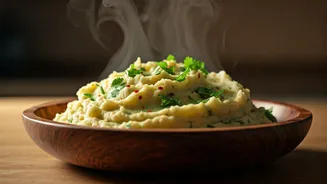
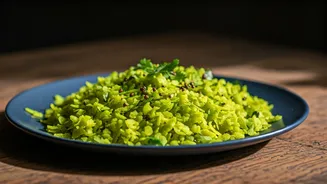
For most Americans, “mashed potatoes” conjures images of butter, cream, and gravy. Aloo Pitika is its rustic, vibrant, and arguably more interesting cousin from the east. At its core, the recipe is deceptively simple: boiled potatoes are mashed, but that’s where the similarities end. Instead of dairy, the binding and flavoring agent is a sharp, pungent mustard oil, which has a wasabi-like kick that’s central to Assamese and Bengali cooking. This is mixed with finely chopped raw red onion for a sweet, sharp bite; fiery green chilies for heat; and a generous handful of fresh cilantro for an herbaceous finish. Sometimes, a roasted tomato or a boiled egg is mashed in for extra richness. The result isn't a smooth, creamy purée, but a textured, aromatic mash where every ingredient sings. It’s served at room temperature, often alongside plain rice and lentils, making it a perfect, no-fuss meal.
The Soul of Assamese Comfort Food
Aloo Pitika is far more than a side dish in Assam; it's an emotion. Known as 'ghoroa khaaj' (home-style food), it represents sustenance, comfort, and the taste of home for millions. It’s the go-to meal for a quick lunch, the comforting food you eat when you’re feeling unwell, and the first thing many Assamese people living abroad try to recreate when they feel homesick. Its simplicity is its strength. It requires no special equipment or rare ingredients, relying instead on the alchemy of a few fresh, potent components. Its presence at a temple festival is significant. While elaborate dishes are common, serving Aloo Pitika is a nod to purity, simplicity, and the idea that even the most basic, everyday food is worthy of being a devotional offering. It connects the sacred with the beautifully mundane.
Why Simplicity Won the Day
The phenomenon at the Khaspur festival speaks to a broader trend in the global food scene. As culinary techniques become more scientific and ingredients more exotic, there's a powerful counter-movement toward radical simplicity. Diners and home cooks are increasingly drawn to dishes that are honest, unpretentious, and deeply connected to a specific place and culture. The success of Aloo Pitika wasn't about novelty; it was about authenticity. In the overwhelming sensory environment of a large festival, the clean, bold, and familiar flavors of the pitika offered a moment of clarity and comfort. It cut through the noise. It proved that food doesn't need to be complicated to be memorable. A perfectly executed dish, rooted in tradition and made with heart, can outshine even the most elaborate creations.