


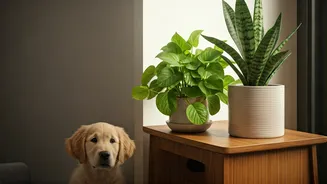


The Risky List: Popular but Perilous
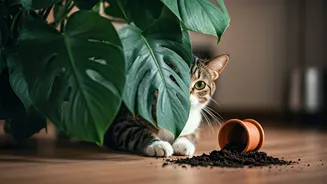
Before we get to the good news, let's cover the plants that are causing savvy pet owners to reconsider their greenery. Many of the most popular and Instagram-famous houseplants are, unfortunately, toxic to cats and dogs if ingested. The effects, confirmed
by veterinary sources like the ASPCA, can range from mild oral irritation to severe gastrointestinal distress or worse. The key is knowing what to look out for on your next nursery run, as many pet owners are now doing.
1. Lilies (All True Varieties)
This one is non-negotiable for cat owners. While beautiful, all members of the Lilium and Hemerocallis genera (including Easter, Tiger, Stargazer, and Daylilies) are extremely toxic to felines. Ingesting even a small amount of the plant—or even just licking pollen off their fur—can lead to acute kidney failure, which is often fatal. For dog owners, while not as deadly, many lily varieties can still cause significant stomach upset and lethargy. There is simply no safe way to keep these in a home with a curious cat.
2. Snake Plant (Dracaena trifasciata)
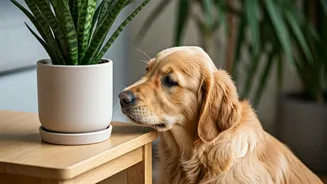
It's the king of low-maintenance, architecturally striking plants—a staple of modern interior design. But the beloved snake plant, also known as mother-in-law's tongue, contains saponins, which are mildly toxic to both dogs and cats. While a nibble is unlikely to be fatal, it can cause nausea, vomiting, and diarrhea. Given that pets often chew on leaves out of boredom or curiosity, this otherwise "unkillable" plant poses a persistent, low-level risk that many are choosing to eliminate from their homes.
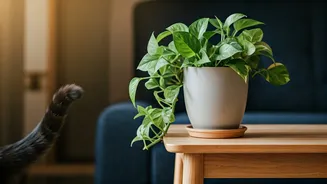
3. Pothos & Many Philodendrons
We're grouping these trailing beauties together because they are often confused and share the same toxic trait. Both Golden Pothos (Epipremnum aureum) and many popular Philodendron species contain insoluble calcium oxalate crystals. When a pet chews a leaf, these microscopic, needle-like crystals embed in the mouth, tongue, and throat, causing intense pain, burning, drooling, and swelling. While rarely fatal, the experience is extremely unpleasant and distressing for your pet.
The Safe List: Stylish & Worry-Free
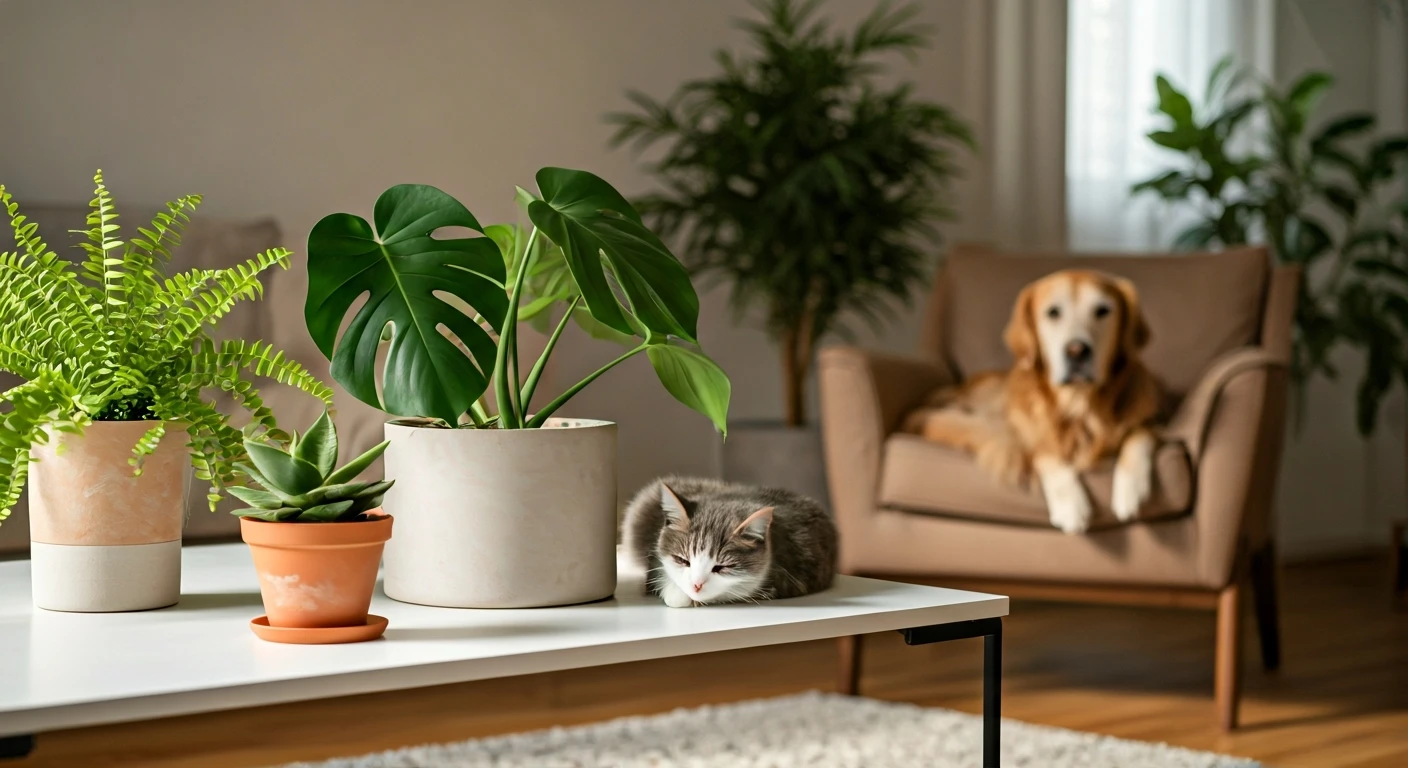
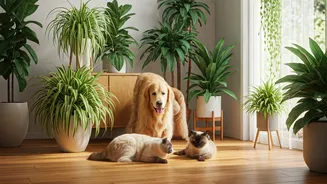
Now for the fun part: redecorating. Ditching risky greens doesn't mean living in a sterile, plant-free box. The world of pet-safe houseplants is vast and just as beautiful. These options give you all the green-thumb glory without the late-night anxiety or potential emergency vet bills. They're the perfect swaps to create a home that’s safe for every member of your family, furry or otherwise.
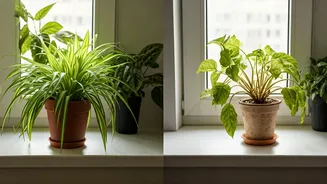
1. Spider Plant (Chlorophytum comosum)
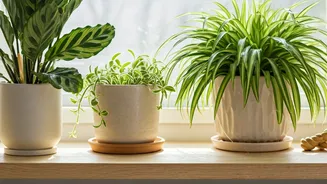
If you loved the air-purifying, easy-care vibe of the snake plant, meet its pet-friendly doppelgänger. The spider plant is famously resilient, thrives in a range of light conditions, and produces charming little "pups" that you can propagate. It's completely non-toxic to cats and dogs. In fact, many cats enjoy batting at and nibbling its grassy leaves, making it a plant that can double as a bit of safe enrichment. It’s a perfect, worry-free replacement.
2. Calathea (Prayer Plant)
Looking for a swap for the vibrant but toxic vining plants? Calatheas are your answer. Known for their stunning, ornate leaves that often feature intricate patterns of green, pink, and white, they bring a huge visual punch. Varieties like the Rattlesnake Plant, Peacock Plant, or the classic Prayer Plant are all certified non-toxic. They are a bit more demanding with humidity, but their breathtaking beauty and complete safety make the extra misting well worth it.
3. Cast Iron Plant (Aspidistra elatior)
The name says it all. This plant is tough as nails and asks for very little, making it a fantastic choice for busy urbanites or self-proclaimed "black thumb" plant parents. Its deep green, glossy leaves provide a lush, dramatic look, similar in feel to some risky lily foliage but without any of the danger. It tolerates low light and infrequent watering, and it is completely safe for both cats and dogs. It is the definition of a set-it-and-forget-it safe choice.