


Start with Your Scalp
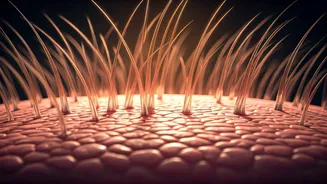
Healthy hair begins not at the ends, but at the root—literally. Dermatologists stress that your scalp is skin, and it needs the same thoughtful care you give your face. A healthy scalp environment is clean, balanced, and free from the buildup of products,
oils, and dead skin cells that can clog follicles and inhibit growth. Think of it as the fertile soil from which your hair grows. If the soil is unhealthy, the plant will struggle. When you wash your hair, gently massage your scalp with your fingertips (not your nails) to stimulate circulation and effectively cleanse the area without causing irritation. This single shift in focus—from strands to scalp—is the most crucial step in any expert-approved routine.
Cleanse Gently and Intelligently
The great shampoo debate—how often should you wash? The doctor-approved answer is: it depends. Your washing frequency should be based on your hair type, scalp oiliness, and lifestyle. Those with oily scalps or who work out daily may need to wash every day, while those with dry, coarse hair might go several days between washes. The key is the technique. When you do wash, concentrate the shampoo on the scalp and roots where oil and dirt accumulate. As you rinse, the suds will run down and clean the lengths of your hair sufficiently. Using lukewarm water is also a non-negotiable. Hot water can strip your scalp and hair of essential natural oils, leading to dryness, irritation, and even a compensatory overproduction of oil.
Condition the Lengths, Not the Roots
Conditioner is designed to hydrate, smooth the hair cuticle, and reduce friction between strands, which helps prevent breakage and split ends. However, most people don’t need a heavy dose of conditioner on their scalp, where natural oils are already present. Applying it at the roots can weigh hair down, make it greasy faster, and potentially contribute to follicle buildup. The correct technique is to apply conditioner from the mid-lengths to the ends, which are the oldest and most fragile parts of your hair. After applying, let it sit for a few minutes before rinsing thoroughly. This simple, targeted application ensures your hair gets the moisture it needs without compromising volume or scalp health.
Minimize Mechanical and Heat Damage
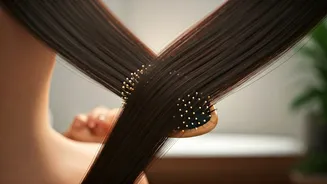
Much of the damage we see is self-inflicted. Dermatologists consistently point to harsh physical handling and excessive heat as primary culprits behind breakage and frizz. First, stop rubbing your hair vigorously with a rough towel. This friction roughs up the hair cuticle. Instead, gently squeeze or pat your hair dry with a soft microfiber towel or an old t-shirt. Second, be extremely careful with wet hair. Hair is at its weakest and most elastic when wet, making it prone to snapping. Avoid aggressive brushing; use a wide-tooth comb or your fingers to gently detangle, starting from the ends and working your way up. Finally, if you use heat styling tools, always apply a heat protectant first and use the lowest effective temperature setting to achieve your style.
Protect Your Hair from the Elements
Just as UV rays can damage your skin, they can also harm your hair and scalp. Sun exposure can degrade the protein structure of hair, leading to brittleness, discoloration, and loss of strength. Your scalp is also susceptible to sunburn, which can damage follicles and, in the long term, increase the risk of skin cancer. On sunny days, consider wearing a hat or using a UV protectant spray specifically designed for hair. This isn't just a beach day tip; cumulative daily exposure adds up. This simple protective measure preserves the integrity of your hair and the health of your scalp, forming the final pillar of a truly comprehensive and doctor-approved care routine.