








From City Mandate to Neighborhood Mission
For decades, urban greening was largely a top-down affair. A city planning department would decide where to plant trees, contractors would do the work, and residents would, hopefully, enjoy the new sliver of shade. But a different model is taking root
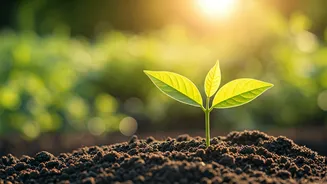
across America: the community-led sapling campaign. These initiatives are less about municipal mandate and more about grassroots mobilization. They are organized by neighborhood associations, local non-profits, and informal groups of concerned citizens who see a direct link between their block’s tree canopy and its quality of life. The focus is on small, young trees—saplings—which are cheaper, easier to handle, and offer a powerful symbol of hope and future growth. This isn't just about beautification; it's a hands-on, tangible response to a world of overwhelming environmental challenges.
The Search for Tangible Action
The rise of the sapling campaign speaks to a deeper public sentiment. Faced with abstract threats like global carbon levels and melting ice caps, many Americans feel a sense of powerlessness, often dubbed "eco-anxiety." Planting a tree is a potent antidote. It’s a physical, immediate action with a visible, long-term payoff. You can touch the soil, see the sapling in the ground, and watch it grow over the years. This desire for tangible impact is a key driver of the trend. Furthermore, the science is clear on the benefits. A healthy urban tree canopy is one of the most effective tools for creating climate-resilient cities. Trees provide cooling shade that can lower street-level temperatures by as much as 10 degrees, reducing the urban heat island effect. They absorb stormwater runoff, filter air pollutants, and have been proven to improve mental health and reduce stress for residents. When a community plants its own trees, it's not just gardening; it's investing in its own public health and climate infrastructure.
The Anatomy of a Campaign
So what does a sapling campaign actually look like on the ground? It often starts with a small group identifying a need—a street with no shade, a park with aging trees, or a newly developed area that feels sterile and bare. They partner with organizations like the Arbor Day Foundation or local conservation districts, which often provide low-cost or free saplings specifically suited to the region's climate. Then comes the mobilization. Using social media, flyers in coffee shops, and old-fashioned word-of-mouth, organizers rally volunteers. A typical planting day is a burst of communal energy. Experts or trained volunteers demonstrate the proper planting technique—how deep to dig the hole, how to position the root ball, how to mulch effectively. Families work alongside retirees, and longtime residents introduce themselves to new neighbors. It’s a social event as much as an environmental one, often fueled by donated coffee and donuts.
More Than Just Trees
The most profound impact of these campaigns may not be the trees themselves, but the social roots they help establish. In an era of digital disconnection and social fragmentation, a shared physical project can be a powerful force for community cohesion. Planting a tree forges a shared sense of ownership and stewardship over a public space. It creates connections between neighbors that often last long after the shovels are put away. This civic engagement is crucial. When residents feel empowered to improve their own environment, they are more likely to get involved in other local issues, from advocating for better parks to attending city council meetings. For children who participate, it’s an invaluable lesson in ecology and civic responsibility. A child who helps plant a tree is more likely to grow into an adult who values and protects the natural world.