






What Exactly Is This Challenge?
While there isn't one single, trademarked “Walking Challenge,” the trend refers to a collection of simple, consistency-based goals that have gone viral. The most popular version is a toned-down spin-off of the intense “75 Hard” program. Dubbed “75 Soft,”
its rules are refreshingly straightforward: walk for 45 minutes every day for 75 days. That's it. No specific pace, no grueling incline—just movement. Other variations exist, like committing to 10,000 steps a day for a month or adopting the “hot girl walk” mindset, which combines a brisk walk with a motivational podcast or favorite playlist. Unlike punishing fitness fads of the past, the core idea is the same across the board: build a sustainable habit through a low-impact activity that feels good for both body and mind. It’s less about transformation and more about integration into daily life.
The Undeniable Appeal of Simplicity
So why has something as basic as walking suddenly become a viral sensation? The answer lies in its accessibility. In a world saturated with high-intensity interval training, expensive gym memberships, and complicated workout plans, a walking challenge feels like a breath of fresh air. It requires no special equipment beyond a decent pair of shoes and no fee to join. You don't need to be an athlete; you just need to be willing to put one foot in front of the other. There's also a powerful psychological component. The challenge taps into a collective desire for gentler, more mindful forms of self-care. It’s an antidote to the “no pain, no gain” mentality. The goal isn’t to exhaust yourself but to carve out dedicated time for yourself—to clear your head, listen to music, or simply disconnect from screens. It’s a fitness trend that prioritizes mental well-being just as much as physical health, which resonates deeply in our burnout-prone culture.
More Than Just Steps
Don't let the simplicity fool you; the benefits of a consistent walking routine are backed by decades of research. A daily walk is a powerhouse for your health. Physically, it improves cardiovascular fitness, helps manage weight, strengthens bones and muscles, and lowers the risk of chronic conditions like heart disease and type 2 diabetes. Because it’s a low-impact activity, it’s also much easier on your joints than running, making it a fantastic option for people of all ages and fitness levels. Mentally, the perks are just as significant. Walking is a proven mood booster, releasing endorphins that can reduce stress and anxiety. A brisk walk, especially outdoors, can improve cognitive function, boost creativity, and promote better sleep. Completing a daily goal, no matter how small, also provides a sense of accomplishment and builds self-efficacy, which can spill over into other areas of your life.
How to Start Your Own Challenge
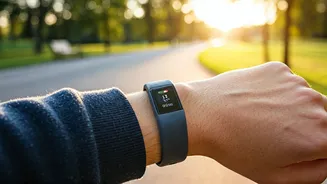
Ready to join in? The beauty of this trend is that you make the rules. Start by setting a realistic goal. If 75 days feels daunting, try a 30-day challenge first. If 45 minutes is too much to begin with, start with 20 minutes and build from there. The key is to choose a target that feels achievable, not overwhelming. Next, make it easy to succeed. Lay out your walking clothes the night before. Find a podcast series you're excited about or create a dedicated walking playlist. If you’re motivated by data, use a simple fitness tracker or your phone’s health app to monitor your steps or duration. You can also make it social by inviting a friend to join you, either in person or by sharing your progress remotely. The goal is to remove friction and make your daily walk something you look forward to.