
Defining the 'Boutique' Forest
For decades, a 'cabin in the woods' meant sacrificing comfort for location. It was a world of flannel blankets, creaky floors, and a charming but undeniable rusticity. That paradigm is officially over. The new 'wildlife lodge' borrows its ethos from the urban
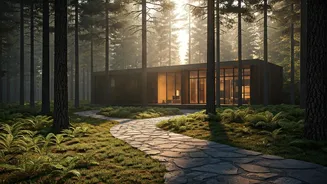
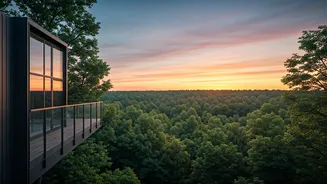
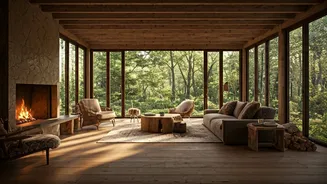
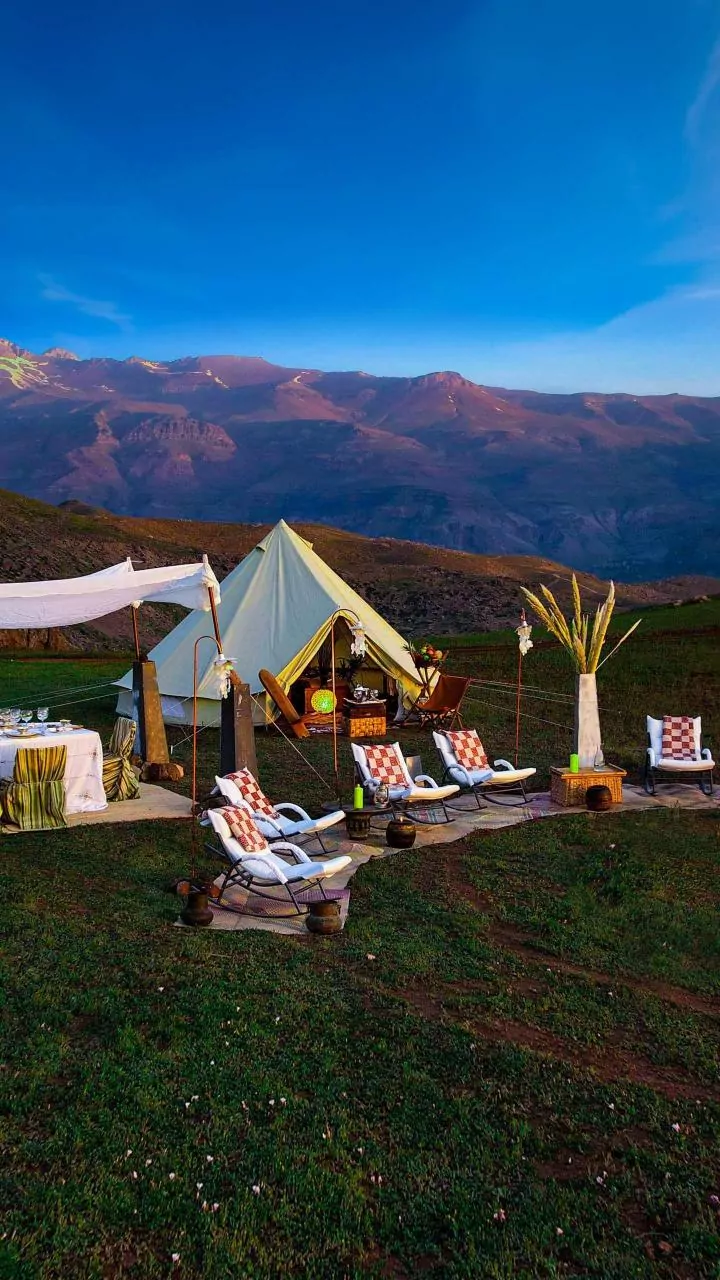
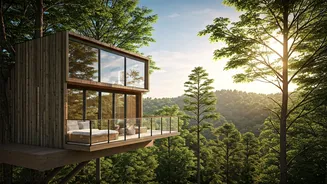
boutique hotel: a focus on distinctive design, intimate scale, and an experience that feels personal and curated. This isn't just about high-thread-count sheets or a fancy Nespresso machine. It’s about seamlessly integrating sophisticated living into a wild landscape. The architecture is often a statement itself, with floor-to-ceiling glass walls that erase the boundary between inside and out. Menus are hyper-local, sometimes foraged from the very woods surrounding the property. And activities go beyond a simple trail map to include things like guided forest bathing, mixology classes with local botanicals, or private stargazing sessions with an on-site astronomer.
The Architectural Escape
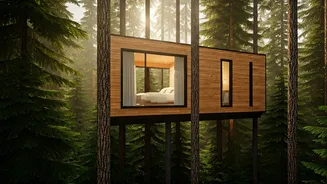
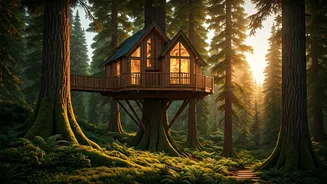
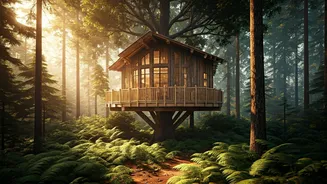
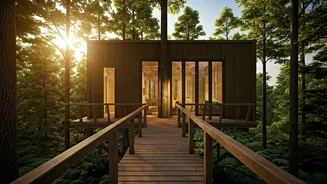
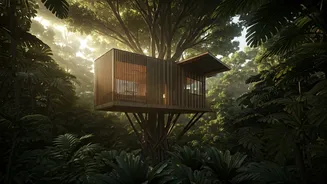
Nowhere is this trend more visible than in the structures themselves. Properties are commissioning renowned architects to create accommodations that are destinations in their own right. A prime example is The Green O in Montana, a resort-within-a-resort featuring 12 standalone 'hauses' immersed in the timberland. These aren't cabins; they're sculptural forms with names like 'Tree Haus' and 'Round Haus,' featuring spiral staircases, rooftop decks, and private hot tubs with sprawling forest views. The aesthetic is Scandinavian-meets-Mountain-West—minimalist yet warm, with natural wood, blackened steel, and an abundance of light. This approach transforms the act of 'staying' into part of the experience. You’re not just sleeping in the forest; you’re inhabiting a piece of art designed to amplify your connection to it.
Nostalgia, But Make It Luxury
This boutique energy isn't just about futuristic design; it's also about elevating classic American getaways. Take the explosion of high-end Airstream 'hotels' like AutoCamp, which has locations near national parks from Zion to Yosemite. The concept takes the nostalgic ideal of the cross-country road trip and infuses it with hotel-like comforts. Each iconic silver trailer is outfitted with a spa-inspired bathroom, luxury linens, and a kitchenette stocked with artisanal coffee. The communal areas ditch the dusty campground clubhouse for a mid-century modern pavilion designed by architects, featuring a curated shop and indoor fire pits. It’s a brilliant formula: it delivers the romance of the open road and the cozy simplicity of a campfire, but removes all the logistical headaches and discomfort. You get the s'mores and the stars, but also a hot shower and a memory-foam mattress.
The Wilderness as Your Pantry
Perhaps the most significant shift is in the dining. The old guard of forest lodging might have offered a passable pancake breakfast. The new guard offers a culinary event. At places like Brush Creek Ranch in Wyoming or The Swag in the Smoky Mountains, food is central to the mission. These lodges operate on a farm-to-table philosophy that feels deeply connected to the landscape. Chefs work with local ranchers, farmers, and foragers to build their menus. A day's stay might include a wine tasting in a sprawling cellar, a lesson in open-fire cooking, or a multi-course tasting menu featuring ingredients sourced within miles of your table. It repositions the lodge from a simple basecamp for hiking into a holistic luxury experience where the quality of the food is as breathtaking as the mountain vistas. It's about nourishing the body and soul, creating a sense of place that you can taste.