



First, Understand the 'Payment' Model
Let's clarify the headline: the government isn't handing out checks simply for planting a row of romaine in your backyard. Instead, it offers financial support through competitive grants, cost-share agreements, and low-interest loans. These programs are designed
to help you start, expand, or improve a legitimate farming operation—even a small one. The goal is to bolster local food economies, improve access to fresh produce, and encourage sustainable practices. Think of it less as a direct payment and more as a strategic investment in your agricultural venture. You'll need a plan, a clear objective, and a willingness to navigate some paperwork.
Urban Agriculture and Innovative Production (UAIP) Grants
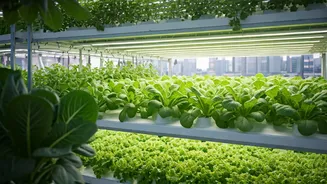
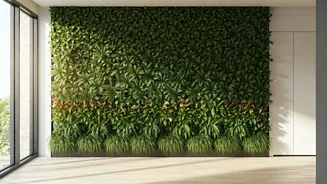
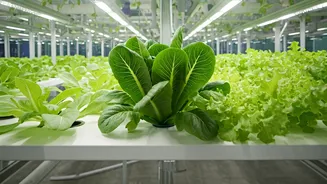
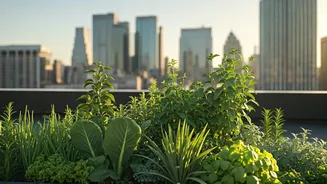
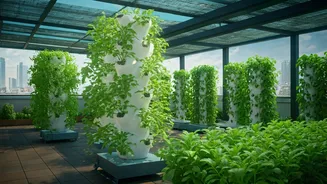
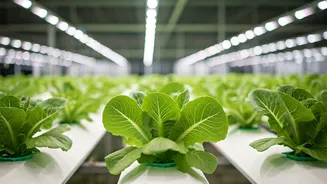
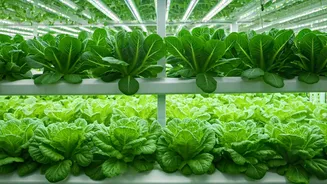
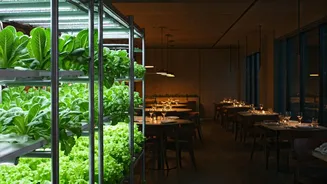
This is likely the most relevant program for aspiring lettuce growers in cities and suburbs. The USDA's Office of Urban Agriculture and Innovative Production offers competitive grants designed to support a wide range of urban farming activities. These grants aren't just for established farms; they are also open to non-profits, community gardens, and even individuals partnering with other organizations. A successful proposal might focus on starting a hydroponic lettuce operation, creating an educational program around salad greens, or developing a rooftop garden to supply local restaurants. The key is to demonstrate how your project will increase local food access and contribute to the community. These grant cycles are announced annually, so keeping an eye on the USDA's website is crucial.
Specialty Crop Block Grant Program (SCBGP)
Lettuce is classified as a "specialty crop," a category that includes fruits, vegetables, tree nuts, and horticulture products. The USDA allocates SCBGP funds to each state's department of agriculture, which then distributes the money through its own competitive grant process. This means the specific priorities and application procedures vary by state. However, the overarching goal is to enhance the competitiveness of specialty crops. A lettuce grower could propose a project to research new growing techniques, improve food safety handling, or develop a marketing campaign to promote locally grown salad mixes. To apply, you'll work through your state agency, not the federal government directly.
Conservation Programs Like EQIP High Tunnels
The Natural Resources Conservation Service (NRCS) offers technical and financial assistance to farmers, and one of its most popular programs can be a game-changer for lettuce growers. The Environmental Quality Incentives Program (EQIP) offers a "high tunnel initiative." A high tunnel (or hoophouse) is a simple greenhouse-like structure that extends the growing season. By protecting your lettuce from harsh weather, you can plant earlier in the spring and harvest later in the fall, increasing your yield and profits. Through EQIP, the NRCS can provide cost-share assistance to help you purchase and install a high tunnel on your property. This isn't a cash grant, but it significantly reduces the upfront cost of critical infrastructure.
Your First Steps to Get Started
Navigating these programs can seem daunting, but the USDA has made efforts to become more accessible. Your first stop should be Farmers.gov, the agency's primary resource portal for producers. Here are three essential steps to take: 1. **Develop a Plan:** Even a simple one-page business plan will force you to clarify your goals. What will you grow? Who will you sell to? What do you need to get started? 2. **Visit Your Local Service Center:** The USDA has service centers in nearly every county. The staff at the Farm Service Agency (FSA) and NRCS offices are there to help you understand which programs you might be eligible for and guide you through the application process. 3. **Get a Farm Number:** To participate in most USDA programs, you'll need to register your farm with the FSA to obtain a farm number. This officially puts you on the USDA's radar and is a prerequisite for most applications, even if your "farm" is a small urban plot.